Air purifiers work by pulling room air through multiple filter layers that trap different pollutants. High-efficiency particulate filters capture dust, pollen, pet dander, many mold spores, and some smoke particles. Activated carbon filters absorb odors and certain gaseous fumes. No single purifier removes every indoor air problem, such as high humidity, carbon monoxide, or deeply embedded mold. Choosing the right filter type and maintenance schedule determines which pollutants a purifier handles well and which require other solutions.
What Air Purifiers Actually Do?
Air purifiers do one main job: they clean the air you breathe via pulling it through a filter or another treatment stage and removing certain pollutants along the way.
You get steadier air whenever dust, pollen, and smoke particles don’t keep floating around your room. That can make your space feel calmer and more welcoming, especially whenever allergies or odors bother you.
Still, your user behavior matters, because running the unit more often usually improves results. You’ll also notice energy consumption and noise levels, so a quiet model can fit better into sleep or study time.
Whenever you match the unit to your room, cost effectiveness improves, since you waste less power and get more clean air for what you spend.
How Air Purifiers Filter Indoor Air
Whenever indoor air feels stuffy, an air purifier helps via moving that air through layers that trap or treat different pollutants. You place it where airflow dynamics can pull room air in, then push it back out cleaner.
Initially, a pre-filter catches larger dust, so the main filter can work without getting inundated. Next, a HEPA layer snags tiny particles as air bends, twists, and slips through fiber spaces. Should your unit have carbon, it can help with odors too.
As the fan runs, fan noise might rise or fall with speed, so you can balance comfort and quiet. Whenever you keep doors open a bit and match the unit to your room, you give it a better chance to keep your space feeling fresh and easier to breathe in.
What Air Purifiers Remove
You’ll often notice that an air purifier tackles the stuff that makes indoor air feel stuffy, like dust, pollen, pet dander, and mold spores.
It can also help with smoke particles and some odors, which is a relief just as your home doesn’t smell as fresh as you’d like.
In the next part, you’ll see how the right filter helps trap these tiny troublemakers before they keep floating around.
Dust And Pollen
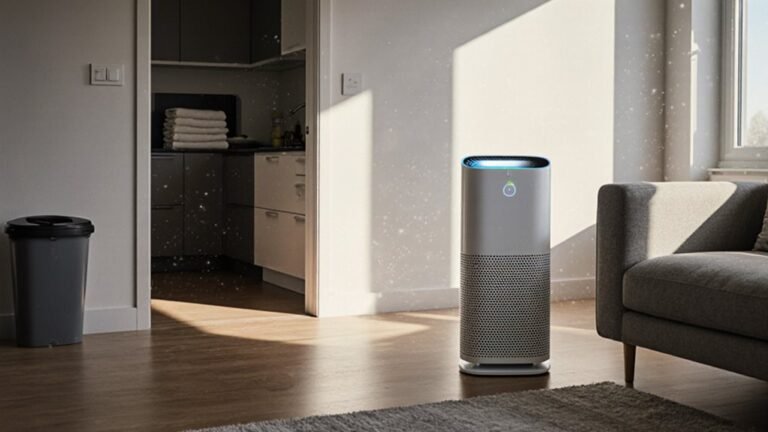
Dust and pollen are two of the most common things an air purifier can help with, and that can feel like a relief whenever sneezing, itchy eyes, or that gritty layer on furniture keeps showing up.
Whenever you run a true HEPA unit, it catches these tiny particles before they keep floating back to you. That helps in case you love indoor gardening, because soil dust and drifting pollen can build up fast. It also supports you during seasonal allergies, whenever even a small amount can make your day feel harder.
- You can breathe easier in your favorite room.
- Your clothes might stay cleaner longer.
- Your pet’s fur won’t trap as much dust.
- You might wake up with less morning stuffiness.
- You can relax appreciating that the air feels calmer.
Smoke And Odors
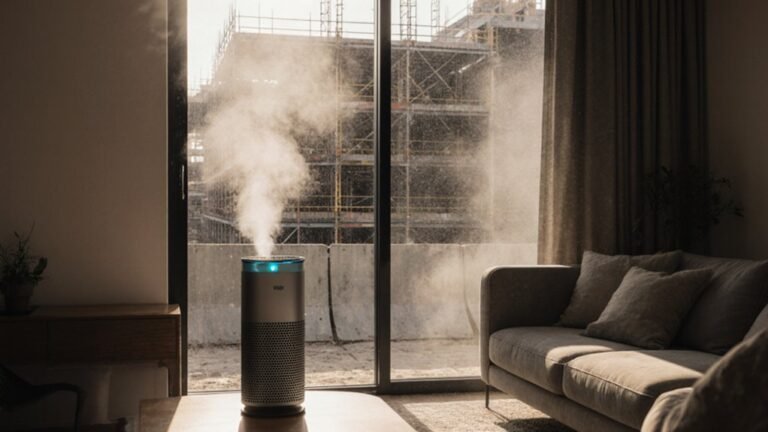
Smoke can make a room feel heavy fast, and odors often stick around long after the visible haze is gone. Whenever you run an air purifier with HEPA and activated carbon, you give your space a calmer feel and a cleaner breath. HEPA traps fine wildfire smoke particles, while carbon helps absorb the smell behind them and garment odors too. That mix matters whenever you want your home to feel like a safe place again.
| What you notice | What the purifier does |
|---|---|
| Sharp smoke smell | Helps reduce odor molecules |
| Gray haze | Captures tiny particles |
| Stale fabric smell | Lessens garment odors |
You still need fresh filters, because carbon fills up over time. With the right unit, you can invite clearer air back and feel more at ease.
Pet Dander And Mold
Relief often starts with the air you can’t see, and that matters a lot whenever pet dander and mold are making your home feel less comfortable. Your air purifier helps by trapping tiny allergen particles, so you can breathe easier where you sleep, relax, and gather with people you love.
- HEPA filters catch pet dander before it settles into allergen reservoirs.
- They also grab many mold spores floating in the room.
- Lower spore viability can help slow mold’s spread.
- Cleaner air might ease sneezing, itching, and stuffy days.
- A well-placed unit can support your comfort in shared spaces.
Still, you’ll get the best results whenever you pair filtration with cleaning and moisture control. That way, you’re not just treating the air. You’re helping your home feel more welcoming every day.
What Air Purifiers Don’t Remove
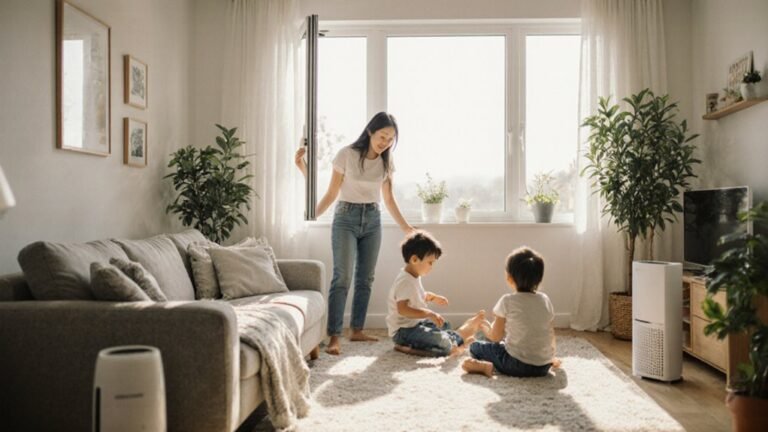
Air purifiers can do a lot, but they don’t catch everything in the air, and that’s where people often get surprised. They won’t fix chemical gases, odors from building materials, or some biological allergens that keep coming back from a source. | What stays | Why it matters |n| — | — |n| Carbon monoxide | Needs ventilation strategies |n| Radon | Comes from soil or basements |n| Formaldehyde | Leaks from new furniture |n| Excess moisture | Fuels mold growth |nIf your room has ongoing fumes, a purifier can’t outwork the source. You’ll get better relief whenever you open windows, improve airflow, and remove the cause. That mix helps you breathe easier and feel more at home. Small steps like these can make the space feel safer, calmer, and truly shared.
HEPA vs. Carbon Filters
HEPA filters trap tiny particles like dust, pollen, and smoke through using fine fibers that catch them as air moves through. Carbon filters work differently because they bind odors and many gases, so they help if smells or VOCs are the main problem. Whenever you use both together, you can handle particles and smells at the same time, which makes your air cleaner in a more complete way.
HEPA Particle Capture
As you want cleaner indoor air, the real work often starts with tiny particles, not smells.
HEPA filters help you via trapping dust, pollen, smoke, and dander as air moves through tight fibers.
- Particle interception catches larger bits as they brush the fibers.
- Diffusion mechanisms slow ultrafine particles, so they bump into the media.
- Impaction grabs heavier particles that can’t follow the airflow.
- True HEPA filters meet a strict efficiency standard.
- Carbon helps with gases, but it doesn’t do this particle job.
Carbon Odor Removal
Even the best particle filter can leave one stubborn problem behind: odors and gases. That’s where activated carbon steps in, and you can feel the difference fast. It works through odor adsorption, which means tiny pores trap smelly molecules instead of letting them float around your room. HEPA catches dust and pollen, but it can’t grab most fumes. Carbon helps with cooking smells, pet odors, and some VOCs from paint or furniture.
| What it handles | Result |
|---|---|
| Smoke smell | Less lingering odor |
| Pet odor | Fresher air |
| Cooking fumes | Cleaner scent |
| VOCs | Better comfort |
| Gas molecules | Partial removal |
You’ll want to replace carbon whenever it fills up, since it can’t keep adsorbing forever. That simple swap helps your space feel easier to breathe in and easier to enjoy.
Filter Combo Benefits
A smart purifier combo can feel like a breath of relief as the air in your home just won’t cooperate. You get filter collaboration whenever HEPA grabs dust, pollen, and smoke, while carbon catches odors and VOCs.
- You breathe easier during allergy season.
- Your room smells fresher after cooking.
- Smoke particles and fumes get tackled together.
- One filter eases the load on the other.
- Lifespan modeling helps you plan replacements.
With both filters working, you don’t have to choose between clean air and clean smells. HEPA handles the tiny stuff that stings your eyes and nose, and carbon takes on the invisible gases that linger.
That combo can make your space feel more welcoming, especially as you want your home to feel like it’s on your side. Keep the unit sized right, and you’ll get steadier relief with less guesswork.
How to Choose an Air Purifier
At the time you’re choosing an air purifier, the best place to start is with the problem you want to fix, because the right machine for pollen isn’t always the right one for smoke or odors.
Should allergies be your main concern, choose true HEPA. In case smells bother you, look for activated carbon too.
Check the CADR and room size so the unit can keep up without working too hard. Then compare energy efficiency and noise reduction, since you’ll live with the purifier every day.
A quiet, efficient model feels easier to keep on, and that steady use helps you breathe more comfortably. Also, make sure replacement filters are easy to find, because a good purifier should fit your life, not fight it.
Where to Place an Air Purifier
The best place for an air purifier is usually where the air needs the most help, so consider about the room you use the most and the problem you want to solve.
For ideal placement, set it near the center of the room, but keep it a few feet from walls and furniture so air can move freely.
That simple choice helps it do its job without fighting your couch.
- Use airflow mapping to spot dead zones.
- Put it close to your bed in case allergies hit at night.
- In a communal room, keep it where people gather.
- Near a smoke source, place it between you and the source.
- Leave space around the intake and outlet.
When you match placement to your routine, you make the room feel easier to breathe in.
How to Maintain an Air Purifier
Now that your purifier is in the right spot, keeping it working well is what really pays off. You can stay ahead by checking the pre-filter each month and wiping off dust so airflow stays strong. Then follow your filter replacement schedule, since a clogged filter can make the unit struggle and lose the clean, steady comfort you want. Should your model have carbon media, replace it on time so odors don’t sneak back in.
Next, listen for changes in fan maintenance needs. A louder hum, weak breeze, or rattling can mean the fan needs cleaning or service. Unplug the unit initially, then clear vents and make sure nothing blocks them. Also, keep the outside case dry and the sensors clean, so your purifier can keep doing its job for your home and your people.
Frequently Asked Questions
Can Air Purifiers Remove Wildfire Smoke Effectively?
Yes, you can reduce wildfire smoke effectively. You will need a HEPA purifier for wildfire particles and some smoke ventilation too. Together, they will make your space feel safer, cleaner, and more breathable.
Do Air Purifiers Help With Allergies and Asthma?
Yes, you can get allergen reduction and asthma relief with a true HEPA purifier. It traps pollen, pet dander, and dust, so you will breathe easier, sleep better, and feel more at home indoors.
How Often Should I Replace Purifier Filters?
You should replace purifier filters every 3 to 12 months, depending on filter lifespan, use, and air quality. Check replacement frequency in your manual, and change them sooner if airflow drops, odors linger, or you have heavy dust.
Are Ozone-Producing Air Purifiers Safe to Use?
No, you shouldn’t use ozone producing air purifiers; they’re linked to health risks and might violate regulatory standards. You deserve cleaner air without concealed harm, so choose a true HEPA unit that keeps your home safer.
What Is CADR, and Why Does It Matter?
CADR means clean air delivery rate. You’ll want a higher CADR because it tells you how fast your purifier gives you clean airflow and improves particle capture, helping your room feel safer and more comfortable.