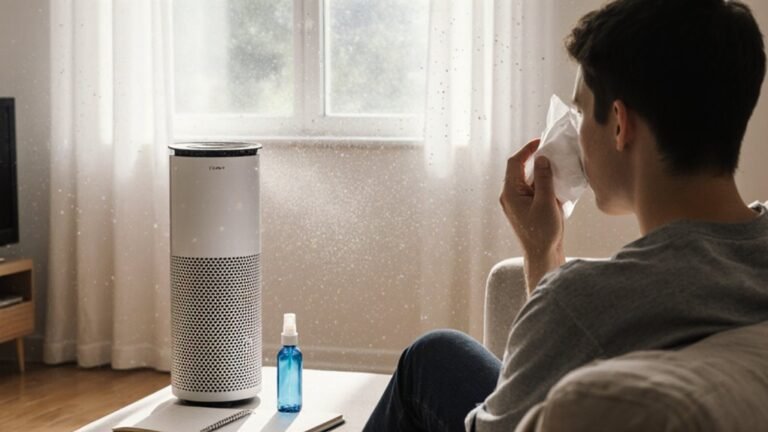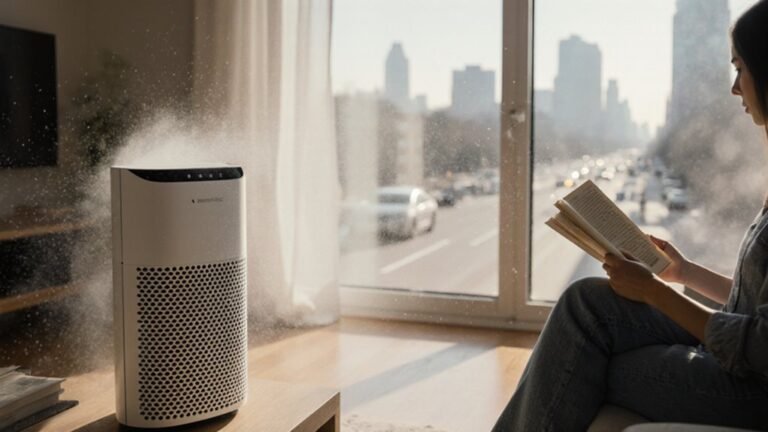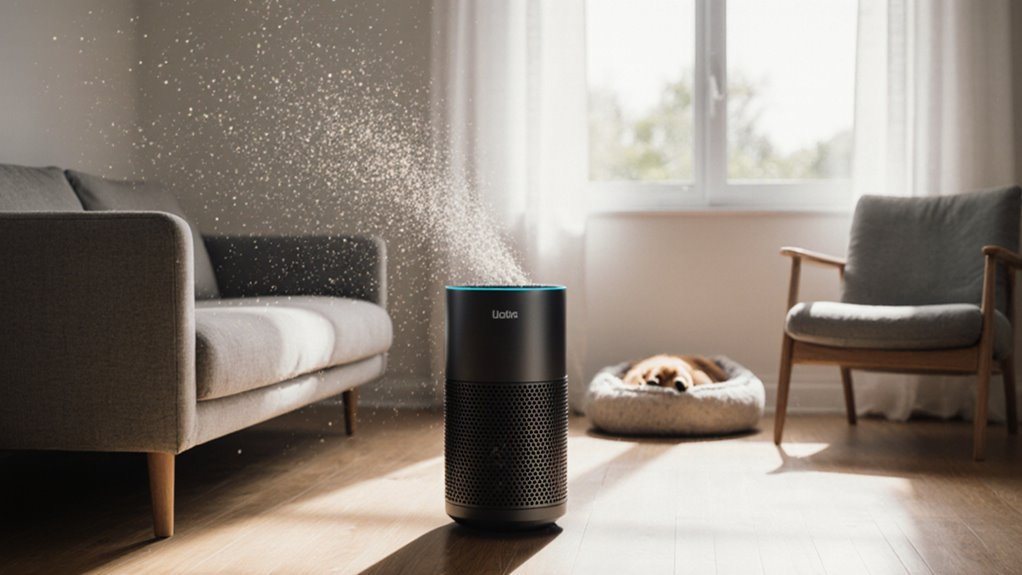

Allergens in the home often come from air and everyday surfaces. A proper air purifier with a true HEPA filter removes most pollen, pet dander, dust mite fragments, and mold spores. Match purifier capacity to room size for effective cleaning. Regular cleaning habits and changing filters on schedule keep allergen levels low. Choosing the right filter type and unit provides noticeable relief from indoor allergy triggers.
Which Allergens Linger Indoors?
A few common allergens can keep hanging around your home even although it looks clean. You might breathe in airborne particles from pet dander, pollen on your clothes, and mold spores from damp indoor sources.
Dust mite fragments also stay close to bedding, mattresses, and soft furniture, especially whenever humidity stays above 50%. Because these tiny bits hide in fabrics, you can’t always spot them, but you can still feel their effect.
Larger pollen and dust pieces settle down, then jump back into the air whenever you walk, vacuum, or make the bed. So, your home can seem calm while allergens keep moving. Being aware which ones linger helps you feel more prepared and less alone whenever you try to make your space easier to live in.
What Do Air Purifiers Remove?
As you’re trying to breathe easier at home, it helps to know that air purifiers don’t remove every irritant, but they can take a real load off your lungs.
A true HEPA unit can trap pollen, dust mite bits, and many pet dander particles with strong airflow patterns through the filter.
Should you deal with fine particles like PM2.5, a well-sized room purifier or a MERV 11 to 13 whole-house filter can cut levels a lot, depending on runtime.
Some models also use activated carbon to soak up odors and certain VOCs, though that power fades as filter lifespan shortens.
You should skip ionizer models, since they don’t clean well and might add ozone.
One purifier helps one room, so your whole home could need more than one.
Why HEPA Filters Work Best
HEPA filters work best because they don’t just move air around, they physically trap the tiny particles that trigger allergies. Whenever you choose a True HEPA filter, you get Mechanical capture that holds at least 99.97% of particles as small as 0.3 microns.
That means pollen, pet dander, and many mold spores get caught before they keep irritating your nose and eyes. Even smaller bits can get snagged too, so you’re not left breathing the stuff that often rides along with allergens.
Because the filter works inside the media, it doesn’t create ozone or harsh byproducts. So you can breathe easier and feel like your space is actually on your side, not against you. For allergy relief, that’s a big deal.
How to Match CADR to Room Size
Match the purifier to the room initially, because size matters more than most people believe. You want CADR placement that fits the space, not just a big box with a bright label. For a single room, aim for a smoke, pollen, or dust CADR near two-thirds of the room’s square feet. Use the lowest relevant rating, usually smoke, so pet dander and fine dust don’t slip through.
| Room size | Volume | CADR target |
|---|---|---|
| 300 sq ft | 2,400 ft³ | 200 CFM |
| 12×15 ft | 1,440 ft³ | 96 CFM |
| Bedroom | varies | 4 to 5 ACH |
If you share a hallway or run two units nearby, add their CADR values, but expect less help across rooms. This also supports better filter replacement timing.
Are Ionic Air Cleaners Worth It?
Should you’re hoping an ionic air cleaner will calm your allergies, it usually disappoints. It works through particle charging, not real capture, so pollen, pet dander, and dust often stay airborne long enough to bother you.
Some units also bring ozone risks, and that extra irritant can leave you feeling even more breathless or scratchy. Even worse, ions can react with VOCs and create tiny new particles, which isn’t the relief you want.
That’s why health experts and independent reviews usually steer you away from ionizers for allergy control. In case you want to breathe easier at home, you deserve a cleaner that truly helps your space feel welcoming.
A portable HEPA air cleaner with the right CADR gives you far better particle removal and more peace of mind.
Which HVAC Filters Help Whole-House Air?
Whenever your last air cleaner only moved allergens around, it makes sense to want a better fix for the whole house.
You can start with a disposable HVAC filter rated MERV 11 to 13. That range catches fine particles well and still lets air move through your system without a big struggle. Go higher only when a pro checks the system initially, because very dense filters can choke airflow.
Next, keep the fit tight. Even a strong filter fails whenever air slips around it.
Good system evaluation can show whether your setup delivers real whole-house cleaning.
For the best results, run the fan more often and practice steady filter maintenance. Replace the filter about every three months, or sooner whenever it looks dirty. That small habit helps your home feel fresher and more welcoming.
How to Reduce Pet Dander at Home
Taming pet dander at home starts with the right mix of clean air, clean fabrics, and smart routines. You can make your space feel calmer and more welcoming with a few steady habits.
- Place a True HEPA purifier in your bedroom or main room, sized for the room, and run it all day and night for strong airborne mitigation.
- Keep pet free zones, especially your bedroom, so you get a cleaner breathing space near your bed or chair.
- Wash pet bedding and soft toys weekly, and use washable covers on mattresses and pillows.
- Groom or bathe pets outdoors whenever possible, vacuum with a HEPA vacuum weekly, and use MERV 11 to 13 HVAC filters with the fan on.
These steps help you breathe easier together.
How to Reduce Dust, Pollen, and Mold Indoors
You can cut dust and pollen indoors through using a true HEPA air cleaner that fits your room and via vacuuming carpets and upholstery with a HEPA filter.
Keep your home’s humidity below 50% so dust mites and mold can’t thrive, and wash bedding and soft toys in hot water each week to remove trapped allergens.
Should you spot leaks or mold, fix the moisture fast, clean the area well, and keep bathrooms and basements well ventilated so spores don’t spread.
Dust Control Basics
Dust can build up fast, but a few smart habits can keep it from taking over your home. Whenever you stay on top of dust control, you help your space feel calmer and easier to breathe in.
- Keep indoor humidity between 30 and 50 percent with a dehumidifier or AC, and check it with a hygrometer.
- Vacuum high-traffic areas once or twice a week with a HEPA filter, since dust can linger after cleaning.
- Change HVAC filters every 3 months with MERV 11 to 13 options, and run the fan for better whole-home pickup.
- Wash bedding, stuffed toys, and pet bedding weekly in hot water, and use allergen-proof covers on mattresses and pillows.
During seasonal cleaning, wipe furniture fabrics often, so dust doesn’t settle back in.
Pollen Reduction Steps
Once you’ve gotten a handle on indoor dust, the next step is to cut down the pollen and mold that can keep sneaking back in. Keep humidity below 50%, and use a dehumidifier should the air feel damp. In the bedroom, run a true HEPA purifier with a CADR sized for your room so you’re not fighting pollen alone. Add this simple routine:
| Step | Why it helps | Best time |
|---|---|---|
| Leave shoes at the door | Stops tracked-in pollen | Every entry |
| Use window screens | Cuts incoming pollen | Spring and fall |
| Wash bedding weekly | Lifts settled allergens | Once a week |
Also, wash clothes after outdoor time, vacuum with a HEPA model, and use nasal rinses whenever pollen counts spike.
Mold Prevention Habits
Even small bits of extra moisture can turn a clean room into a mold-friendly one, so it helps to stay ahead of dampness before it starts a problem. You can protect your space with steady humidity control and simple daily habits that feel easy to keep.
- Keep indoor humidity at 30 to 50 percent with AC or a dehumidifier.
- Run bathroom and kitchen fans, and let the bathroom fan work 20 to 30 minutes after showers.
- Fix leaks fast, dry wet spots within 24 to 48 hours, and use moisture barriers where water sneaks in.
- Use a vented dryer, keep vents clear, and scrub mold-prone areas like basements and window sills.
When you do these things, you help your home feel safer, fresher, and more welcoming for everyone inside.
Which Home Habits Help Allergies Most?
You can ease allergy symptoms through making your home work with you, not against you.
A true HEPA purifier in your bedroom, plus clean filters, lower humidity, and regular cleaning, can cut the allergens that keep stirring up trouble.
Small habits like washing bedding hot, vacuuming with HEPA, and keeping pets out of your room can make a real difference whenever you need relief most.
HEPA Filtration Basics
HEPA filtration can feel like a small fix, but it often makes a big difference when allergies keep stealing your comfort at home.
- True HEPA filters give strong particle capture, catching 99.97% of airborne bits that are 0.3 microns or larger.
- That means they can trap pollen, pet dander, and many dust particles before they keep bothering you.
- To get real help, match the purifier’s CADR to the room size, and watch the filter lifespan so performance stays steady.
- Put a room purifier in your bedroom, since your sleep breathing zone is where you’ll often feel the most relief.
Should you need whole-home support, use a MERV 11 to 13 HVAC filter and keep the fan running enough to beat normal air leakage.
Reduce Indoor Allergens
The right air purifier can help, but it works best whenever your everyday home habits also cut down the stuff that keeps allergies flaring up. In your allergen mapping, observe pollen, pet dander, dust, and mold spots. Then use this seasonal cleaning guide:
| Habit | Why it helps | at what time to do it |
|---|---|---|
| HEPA vacuum | Lifts trapped dust | Weekly |
| Wash bedding hot | Cuts mites | Weekly |
| Keep humidity under 50% | Slows mold | Daily |
| Remove shoes at door | Blocks pollen | High season |
Choose a room sized HEPA cleaner, and for forced-air systems, use MERV 11 to 13 filters. Skip ionic or ozone units, and never smoke indoors. Small steps like these help you feel at home, breathe easier, and keep your space welcoming.
Smart Home Maintenance
Because allergies can wear you down day after day, smart home maintenance matters more than most people consider. Whenever you keep up with these habits, you help your home feel like a safer place for everyone who lives there.
- Run a true HEPA portable air cleaner in your bedroom, and match the CADR to the room so it works while you sleep.
- Replace HVAC filters every three months, and choose MERV 11 to 13 filters for better whole-house capture.
- Keep humidity below 50%, fix leaks fast, and stop mold before it starts coming back.
- Vacuum with a HEPA filter, wash bedding weekly in hot water, and keep pets, smoke, and tracked-in pollen out.
That’s smart maintenance, and even firmware updates for connected units can help your gear stay ready.
When Should You Talk to an Allergist?
So at what point is it time to call in an allergist? Should you still get wheeze, coughing, breathing trouble, or sleep loss after air purifiers and home care, you deserve a closer look.
An allergist can evaluate for dust mite, pet dander, cockroach, or mold, so you stop guessing and start helping yourself.
In case your symptoms keep returning, ask about insurance coverage and referral timing before you book. That matters whenever you want care without surprises.
Also, assuming you have more than one trigger, talk before buying extra HEPA cleaners or allergen-proof bedding.
The right evaluation results let you focus on the fixes that fit your home.
And ought you’re ending up in urgent care, using more medicine, or breathing feels worse, don’t wait.
Frequently Asked Questions
How Often Should HEPA Filters Be Replaced?
You should replace HEPA filters every 6 to 12 months depending on filter lifespan and use. Watch for replacement indicators like reduced airflow or odors so you can keep your space feeling fresh together.
Can Air Purifiers Remove Smoke Odors Too?
Yes, you can reduce smoke odors with air purifiers that include activated carbon, and you will feel more comfortable in your space. Avoid ozone generators; they can irritate you and will not safely solve smoke smells.
Do Air Purifiers Help With Asthma Symptoms?
Yes, you can use air purifiers to help with asthma symptoms by lowering triggers and reducing inflammation in your home, so you will breathe easier and feel more supported while your environment works with you.
Should I Run an Air Purifier All Day?
Yes, you can keep it on all day; continuous operation often helps you breathe easier and feel at home in your space. If your model uses little energy, the energy use usually stays modest.
Where Should I Place an Air Purifier in My Home?
Place your air purifier where you spend the most time, ideally your bedroom or lounge room. Keep it a few feet from walls for better airflow; for bedroom placement and lounge room placement, you will feel more at home.