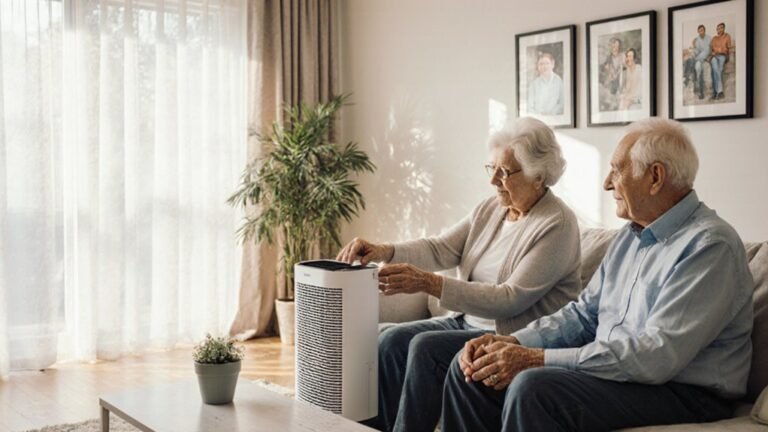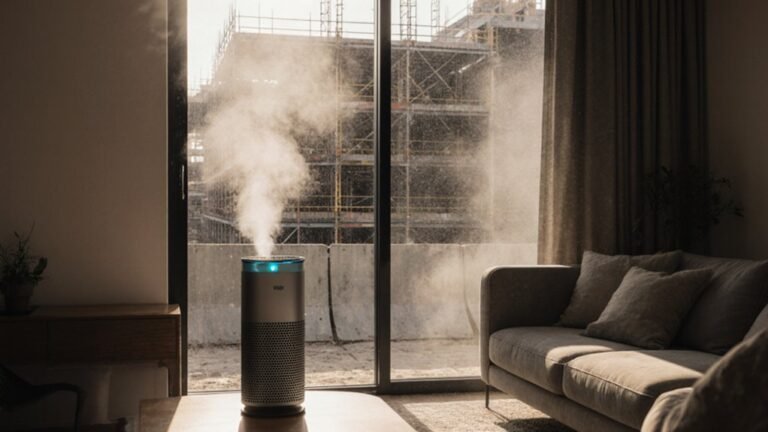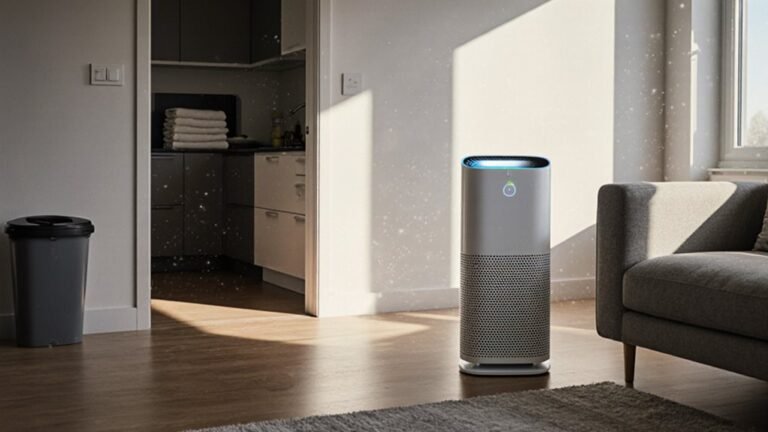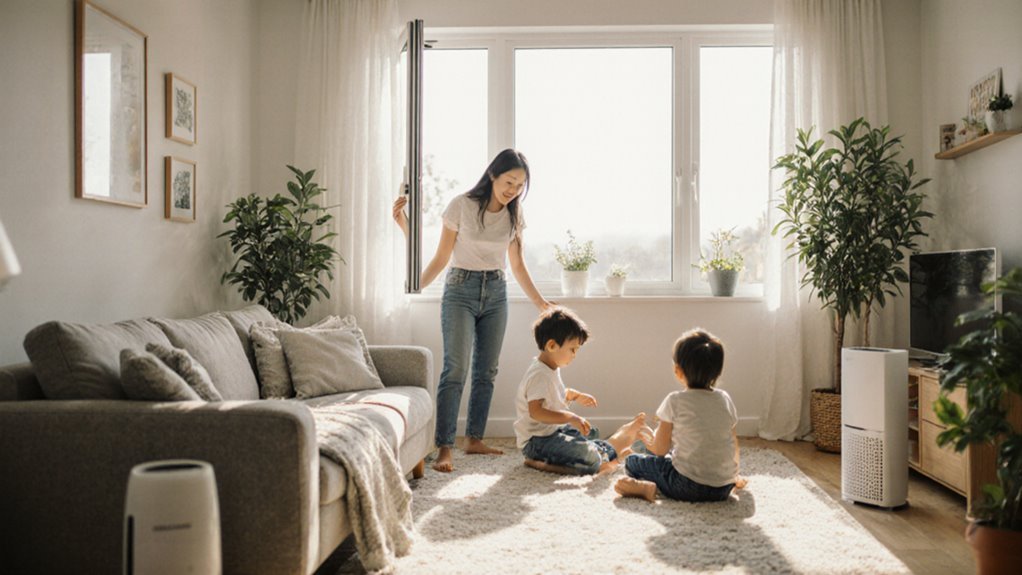

Clean indoor air protects families from dust, smoke, mold, and chemical fumes that trigger coughing, headaches, and asthma. Children and older adults often experience symptoms more quickly and severely. Regular ventilation, source control, and air filtration reduce airborne pollutants. Routine cleaning and moisture control stop mold and dust buildup. Small changes at home produce noticeable health and comfort benefits.
What Indoor Air Quality Means
Step inside any room, and you’re breathing the air that fills it, so indoor air quality, or IAQ, matters more than many families realize. You can consider IAQ as the air’s composition inside your home, school, or workplace. It includes gases, chemicals, allergens, bacteria, viruses, temperature, and moisture.
Whenever you hear ventilation misconceptions, keep in mind that closed rooms can trap more than smells. Indoor air can be up to five times more polluted than outdoor air, especially whenever windows stay shut in winter or heat. You might also notice PM2.5, VOCs, carbon dioxide, carbon monoxide, and damp air that feeds mould.
Common sources include stoves, smoke, furniture, cleaners, dust, pet dander, and mould spores. Being aware of this helps you feel more in control.
Why Indoor Air Quality Matters for Families
Your family’s health starts with the air you all share, and that makes indoor air quality a daily concern, not a small detail. Inside your home, air can be up to five times dirtier than outside, so dust, pollen, pet dander, and VOCs can build up fast. That matters for your family’s routine, because cleaner air supports easier activity planning, steadier sleep, and fewer financial costs from missed work or school.
| Action | Why it helps | Family benefit |
|---|---|---|
| Vacuum often | Removes dust | Cleaner rooms |
| Control humidity | Limits mold | Fresher air |
| Cut combustion | Lowers particles | Safer breathing |
| Use HEPA cleaners | Traps tiny particles | Better comfort |
| Assess for radon | Finds concealed gas | Peace of mind |
When you manage airflow and cleaning, you help everyone feel more at home.
Health Risks of Poor Indoor Air Quality
Whenever you breathe polluted indoor air, you can feel the effects fast with headaches, coughing, sore eyes, and irritated skin.
Tiny particles like PM2.5 can slip deep into your lungs and make it harder for you to breathe well.
Over time, that same air can raise your risk for asthma, heart disease, stroke, and even some cancers, especially should you or your family members be already more vulnerable.
Short-Term Health Effects
Even a short time in a poorly aired room can leave you feeling off, because indoor pollutants can irritate your body fast.
With rapid onset, you might notice acute symptoms like headaches, burning eyes, a sore throat, coughing, or skin irritation within hours or days.
Fine dust, smoke, cooking fumes, and candle soot can reach deep into your lungs and set off wheeze, bronchitis, or an asthma flare should you’re sensitive.
Whenever humidity stays high, mold can add more sneezing and breathing trouble, especially for kids and people with asthma.
In rare cases, carbon monoxide or other combustion gases can bring dizziness, fainting, or loss of consciousness.
Provided you care for young children, older adults, or anyone with lung disease, you’ll want to act quickly and keep your shared spaces safer.
Long-Term Health Risks
Over time, poor indoor air can do more than cause a bad day, because tiny particles and chemical fumes can keep working inside your body long after you stop noticing them. You might breathe them deep into your lungs, where they can damage air sacs, lower lung capacity, and raise your risk of asthma, emphysema, and premature onset COPD.
Over years, smoke, combustion byproducts, and some VOCs can also lift your chances of lung cancer and other cancers. At the same time, dirty air can strain your heart and blood vessels, which could lead to stroke or heart attack. It can even affect your brain, so neurocognitive decline becomes a real concern. Kids, older adults, and people with lung disease feel these effects most.
How Indoor Air Quality Affects Breathing
Breathing feels automatic, but indoor air can quietly shape how easy each breath really is.
Your breathing mechanics depend on open airways and healthy alveoli, so tiny particles from cooking or smoke can slip deep inside and slow oxygen exchange. That can leave you coughing, tight-chested, or sore.
Whenever your air feels stale, you might notice:
- a scratchy throat
- stinging eyes and nose
- a headache that won’t quit
- breath that feels heavy
- a child wheezing at night
Children and older adults feel these changes fast because their lungs need more support.
With cleaner air, your body can focus on alveolar repair and steady oxygen delivery.
And whenever you breathe easier, your home feels more like the safe, shared place you all deserve.
Common Pollutants in Your Home
Dust, smoke, and concealed fumes can all collect in your home, and they each affect your lungs in different ways. You also breathe in dust, pollen, pet dander, and mold spores, which can slip deep into your airways and stir up asthma or allergies. Then there are fine particles from tobacco smoke, wood burning, gas stoves, and candles; these tiny bits can reach your lungs and raise health risks. VOCs from paints, cleaners, furniture, and air fresheners might sting your eyes and throat. Moisture can feed mold and mildew, too. Radon and carbon monoxide are serious invisible gases, so you need screening and alarms. Simple steps help you breathe easier: use air cleaning plants, keep pet free zones, and cut damp spots.
Hidden Sources of Indoor Air Pollution
Some of the biggest air problems in your home are the ones you don’t notice right away. Cooking on a gas stove or lighting candles can fill rooms with fine particles and nitrogen dioxide. Then your carpets, upholstery, storage boxes, and HVAC filters quietly hold dust, pet dander, pet odors, and old smoke, and they send them back out again.
- A candle glows, but soot drifts
- A damp corner grows mold
- Fresh paint gives off VOCs
- A spray leaves sharp fumes
- A basement can conceal radon
Whenever air stays still, these concealed sources pile up and make your home feel less welcoming. You can protect that shared family space by noticing smells, checking damp spots, and assess as needed.
Why Kids and Older Adults Are at Risk
You mightn’t notice it, but kids breathe in more air for their size than adults do, so indoor pollution can reach their growing lungs faster and cause more harm.
Your little ones also spend more time near floors, dust, and mold, which can raise asthma and allergy risks.
Older adults face a different danger because weaker lungs and health conditions can make even a short pollution spike lead to serious problems.
Kids’ Developing Lungs
Kids’ lungs are still under construction, and that makes clean indoor air especially vital. You breathe faster than adults, so tiny particles can reach your alveoli and clog the gas exchange your body needs. That’s why prenatal exposure and playground pollution matter, too, because initial hits can shape how your lungs grow.
- Envision a nursery with sunlight and fresh air.
- Depict a kitchen that doesn’t haze the room.
- Consider smoke-free bedtime and easy breaths.
- See a household where asthma doesn’t flare.
- Feel the calm of air your child can trust.
When your home has less smoke from stoves, wood, or secondhand smoke, you help lower bronchitis, bronchiolitis, and later breathing trouble. Your family deserves that safe space together.
Older Adults’ Higher Risk
As people age, their lungs and immune system don’t bounce back as quickly, so indoor air pollution can hit older adults harder than it does younger people. You might notice that coughs, wheezing, and slow healing show up sooner, especially in case you live with asthma, COPD, heart disease, or diabetes.
Fine particles can slip deep into aging lungs, where thinner alveolar walls and weaker clearance let them stay longer. That can raise hospital risk and make medication interactions more likely. So watch frailty indicators, like low energy or shortness of breath, because they can signal trouble at an earlier stage.
In the event that you spend lots of time indoors, clean air matters even more. Good ventilation, regular filter care, source control, and HEPA filtration can help you breathe easier and feel more at home.
How Air Purifiers Improve Indoor Air Quality
Air purifiers can make a real difference in the air your family breathes each day. With a HEPA filter, they catch 99.97% of tiny particles, like dust, pollen, pet dander, and many germs. That means your home can feel fresher, even on busy days.
- A child’s room can feel calmer
- A pet corner can look less dusty
- Cooking smells can fade faster
- A wildfire haze can seem lighter
- A quiet unit with low noise levels can fit bedtime
Choose the right size for the room, and check filter maintenance so it keeps working well. Some models also use UVC or similar tech to help neutralize trapped microbes.
Whenever pollution rises, smart sensors can increase airflow. Still, you’ll get the best comfort whenever filtration works alongside ventilation too.
Improve Ventilation for Cleaner Air
You can improve the air in your home by opening windows whenever the outdoor air is clean, since fresh air helps push out stale pollutants.
Whenever cooking or bathing, turn on exhaust fans so you remove smoke and moisture right at the source before they spread.
You can also keep air moving with your HVAC system or fans, which helps fresh air reach more rooms and makes breathing feel easier.
Open Windows Often
Opening windows often can make a real difference in how your home feels and how safely your family breathes. With simple window etiquette and seasonal timing, you can refresh rooms without making things awkward for anyone.
- Crack windows for 10 to 15 minutes.
- Open opposite sides for cross-breeze.
- Watch for CO2 near 800 ppm.
- Air out winter rooms often.
- Skip smoky days and wait.
When you do this several times a day, you help dilute exhaled aerosols and lower indoor pollutants.
In winter, tight rooms can hold far more pollution than the air outside, so even short bursts help your shared space feel lighter.
Should someone’s sick, fresh air matters even more.
On bad outdoor days, keep windows closed and use filtered air until the air clears.
Use Exhaust Fans
Once the windows have done their part, exhaust fans can help carry the rest of the stale air out of your home. Use the kitchen fan while you cook, and keep it on for 10 to 20 minutes afterward. Do the same after showers, so moisture, odors, PM, and combustion pollutants don’t linger. Choose fans that vent outdoors, not ones that just recirculate. A range hood with 300+ CFM suits heavy cooking, while a bathroom fan around 50 to 100 CFM usually fits the space.
Turn fans on whenever you use gas stoves or candles to cut nitrogen dioxide, CO, and fine particles. Should you notice vibration noise, ask about timer installation and regular cleaning. Clear filters and ducts help your fan keep working for your family.
Boost Air Circulation
Fresh air can make a big difference, especially once your home starts to feel stuffy or heavy. You can enhance circulation and help your family breathe easier through letting air move through shared spaces.
- Open windows whenever outdoor air is clean
- Create doorway airflow between rooms
- Check ceiling fan placement so it pushes air down gently
- Watch CO₂ with a small sensor
- Keep HEPA cleaners running whenever windows stay shut
Whenever you cook, bathe, or gather in one room, stale air builds fast. So, use fans to pull in fresh air and push out what lingers.
In case smoke, cold, or heat keeps windows closed, let your HVAC bring in outdoor air, or use a heat-recovery ventilator. That way, you keep comfort, cut buildup, and make your home feel more open together.
Reduce Dust and Smoke Indoors
Dust can build up quietly, but it can pack a real punch for your family’s health. You can cut it down through vacuuming with a HEPA vacuum, damp-dusting shelves, and washing bedding each week. These habits help remove pollen, pet dander, and fine particles before they drift back into the air. In case you use microfiber curtains, they can trap less dust than heavier fabrics, and pet free zones can give sensitive family members a cleaner space to breathe.
You can also lower smoke fast making your home smoke-free, using a vented range hood while you cook, and skipping open wood or coal fires. Replace HVAC and appliance filters on schedule, and run a room-sized HEPA purifier. It’ll catch tiny particles and help your home feel safer, calmer, and easier to share.
Control Humidity to Prevent Mold
Keeping indoor humidity in check can make a big difference for your family’s comfort and your home’s safety. Aim for 30 to 50 percent, because damp air helps mold spread fast. In the bathroom, kitchen, and basement, dehumidification helps you protect the rooms your family uses most.
- Run exhaust fans during and after showers or cooking
- Use a hygrometer to spot readings above 60%
- Fix leaks and dry wet spots within 24 to 48 hours
- Clean HVAC filters, drip pans, and vent ducts often
- Try humidity resistant paint where moisture lingers
When you keep air drier, walls, carpets, and upholstery stay fresher. You’re also giving your home a more welcoming feel, like everyone can breathe easier together.
Test for Radon and Carbon Monoxide
Once your home feels drier and less mold-prone, it makes sense to check for other concealed air risks that can affect your family every day. Screen for radon with an EPA-approved kit or a qualified tester, and choose a long-term assessment when you want the best image of steady exposure. Should results rise above 4 pCi/L, bring in a certified mitigator to lower it.
At the same time, protect your people from carbon monoxide by installing battery-backed detectors on every floor and outside sleeping areas. Check detector placement so alarms can wake your family fast. Examine each unit monthly, replace batteries each year, and keep fuel-burning appliances vented and maintained. A small portable monitor can help you spot trouble sooner and feel more at ease at home.
Create a Healthier Air Routine at Home
A healthier air routine starts with a few small habits that work together day after day.
You can build a home that feels fresh, calm, and welcoming for everyone.
Keep humidity at 30 to 50% so mold and dust mites don’t settle in.
Then, during cooking or whenever someone’s sick, run a HEPA purifier sized for the room.
- Open windows for 10 to 15 minutes.
- Use exhaust fans to move stale air out.
- Vacuum weekly with HEPA power.
- Dust with a damp cloth.
- Wash bedding and change filters on time.
These daily plantings make care feel easy.
Watch CO₂, and take action should it rise above 800 ppm.
Also, skip smoking, candles, and open fires.
With seasonal switches, you’ll help your family breathe easier together.
Frequently Asked Questions
Why Is Clean Air Important for People?
Clean air matters because you breathe easier, protect your respiratory health, and sharpen cognitive performance. You will cough less, feel more energized, and lower disease risks, so you can thrive with your community every day.