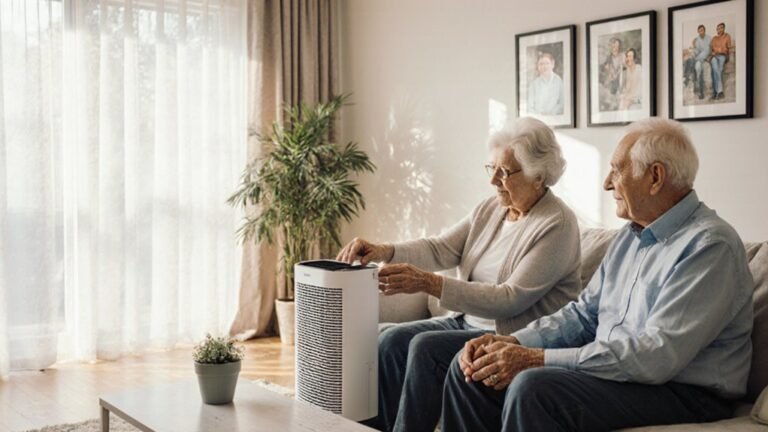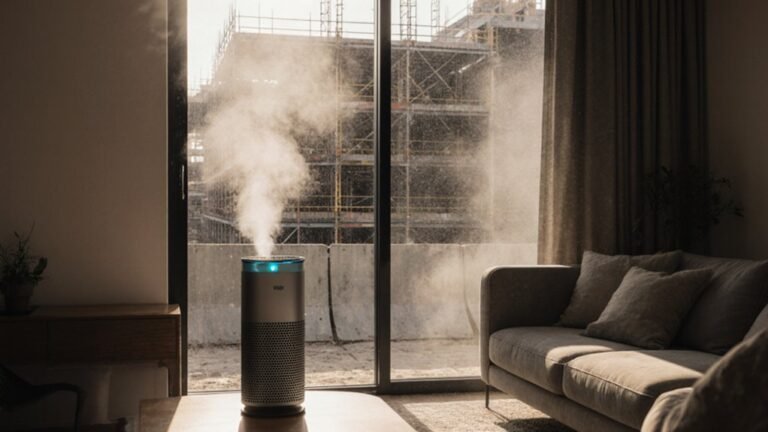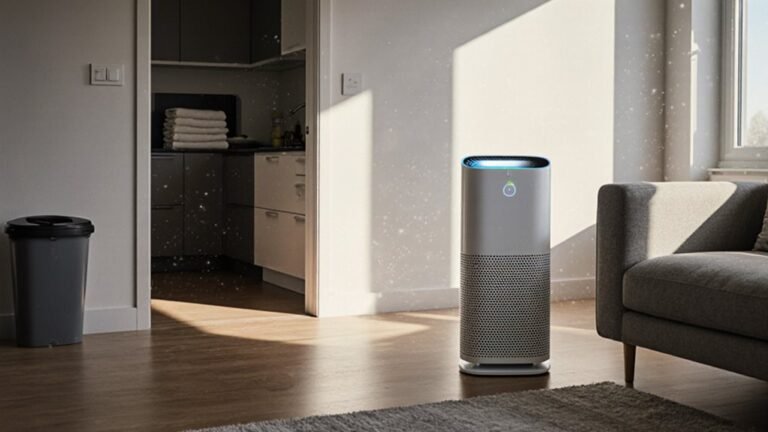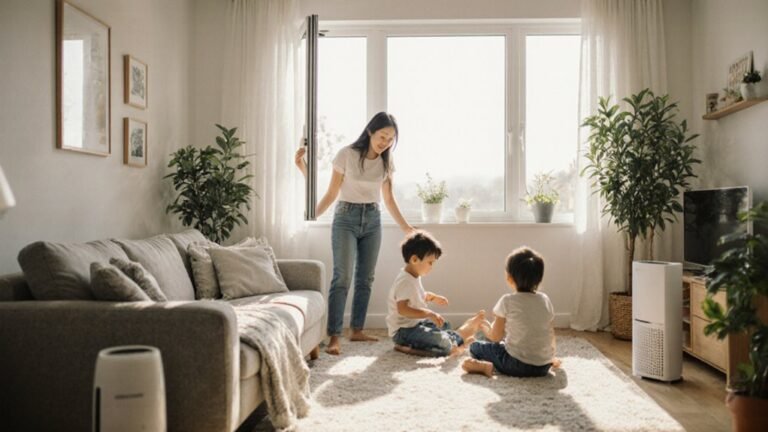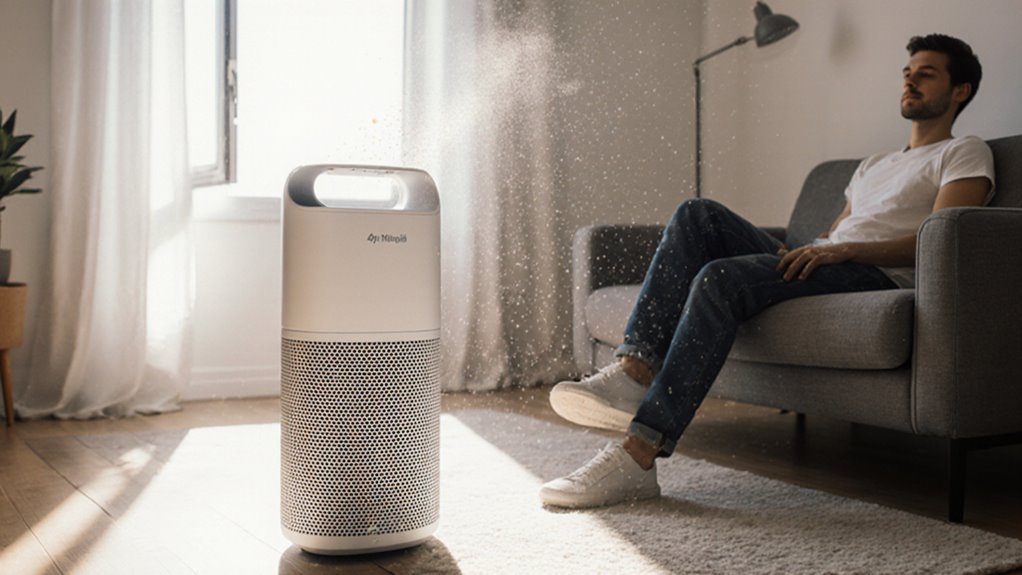

Yes — air purifiers can be worth using every day. They reduce dust, pollen, pet dander, smoke particles, and some odors, improving indoor air quality. A HEPA-based unit captures most fine particles, while activated carbon filters help with volatile compounds and smells. Size of the room, filter type, and maintenance determine real-world performance and operating cost. For many homes, a properly chosen and maintained purifier makes breathing easier and nights quieter.
Are Air Purifiers Worth It for Everyday Use?
So, are air purifiers worth it for everyday use? Yes, provided you want your home to feel calmer and more comfortable.
You’ll notice the biggest payoff whenever noise levels stay low enough for sleep or work, and whenever energy consumption won’t surprise your bill.
For many homes, a good purifier runs quietly, fits into daily life, and helps you breathe easier. Still, you should check maintenance schedules, because a clogged unit loses power fast.
You’ll also want to track filter lifespan, since replacements keep performance steady. In case you live with allergies, pets, or city air, the value grows.
Should your space be already clean, you might only need one in the room you use most.
What Do Air Purifiers Actually Remove?
Air purifiers can do a lot, but they don’t clean every part of your air the same way. You’ll usually notice they trap tiny particles that float around, like dust, pollen, pet dander, and smoke bits.
True HEPA filters catch most of those specks, though HEPA limitations mean they won’t grab gases or everything that’s already settled. That’s where Carbon adsorption helps via pulling in some odors and VOCs, provided the carbon layer is thick enough.
- Dusty corners can still need wiping.
- A smoky room can still hold smells.
- Your couch can still keep old allergens.
When Air Purifiers Make the Biggest Difference
You’ll notice the biggest difference during allergy season, whenever pollen and dust can turn your home into a sneezy mess.
Air purifiers also help whenever smoke or cooking odors hang around, because they can cut fine particles and make the air feel easier to breathe.
Should you have pets, a good purifier can also keep dander down, so your rooms feel fresher and a lot less “fur-ever.”
Allergy Season Relief
Spring and fall can feel like a fresh start, but for allergy sufferers, they often bring itchy eyes, stuffed noses, and that tired, foggy feeling that makes even simple tasks feel harder. You don’t have to just push through it. During peak seasonal triggers, a True HEPA purifier can help you breathe easier in the rooms where you spend the most time. It works best whenever you match the room size and check pollen mapping so you know at what times to run it harder.
- Keep it on in your bedroom at night.
- Place it where pollen drifts in after you open doors.
- Pair it with clean bedding and closed windows.
That way, you feel more at home, and less alone, whenever allergy season hits.
Smoke And Odors
Whenever smoke hangs in the room, a good purifier can feel like a small relief that makes a big day easier.
You notice it most after cooking, a candle slips too long, or the air carries that stale burnt smell.
A purifier with activated carbon helps trap those gases, while the odor neutralization charcoal bed works on the stubborn scent that lingers in curtains and corners.
It won’t erase smoke penetration from every surface, but it can make your space feel cleaner and easier to breathe in.
Should you keep it running in the room where the smell starts, you give yourself a better chance at fresh air.
That kind of support matters whenever you just want your home to feel like yours again.
Pet Dander Control
Pet dander can sneak into your home and keep bothering you long after the pet has left the room, especially granted you deal with allergies or asthma. An air purifier helps whenever you share space with cats or dogs because it pulls tiny airborne proteins out of the air before they settle on you. For the best relief, pair it with pet grooming and steady cleaning.
- Run it in the room where you relax most.
- Keep doors closed so the air can cycle faster.
- Vacuum bedding and floors often.
Whenever you use it daily, you might breathe easier and feel more at home with your pet, not apart from them.
A right-sized True HEPA unit can cut dander, so your couch feels like yours again.
How Air Purifiers Help With Allergies and Pets
Should you deal with allergies, you know how quickly dust and pollen can make a room feel rough.
An air purifier with a True HEPA filter can help cut the tiny particles that trigger sneezing, itchy eyes, and stuffy breathing.
It can also trap pet dander floating in the air, so your home feels a little easier to breathe in, even when your furry friend believes the couch is their throne.
Allergen Reduction Benefits
Once allergies keep acting up, a good air purifier can take some of the pressure off through pulling tiny particles out of the air you breathe every day. You feel the difference most whenever pollen, dust, and other triggers float around your space. With steady filter maintenance, the unit keeps working well, so you aren’t left guessing.
- Keep one in your bedroom placement so you wake up clearer.
- Run it near the rooms where you spend the most time.
- Replace filters on schedule so airflow stays strong.
Because you share your home with others, this small habit can make your space feel calmer and more comfortable. Even on rough allergy days, cleaner air can help you breathe easier and settle in without that constant scratchy, sniffly feeling.
Pet Dander Control
Once your allergies start easing up, the next battle is often the fluffy stuff your pets leave behind, and that can keep your nose and eyes on edge too. A True HEPA air purifier helps you catch airborne dander before it settles on your couch, rug, and sheets. You’ll notice the biggest help whenever you keep the unit running in rooms where you relax most, especially with smart bedroom placement. That way, you wake up with less itch and fewer sneezes.
To keep it working well, stay on top of filter maintenance. A clogged filter can’t pull dander as well, so check it often and replace it on schedule. Pair the purifier with regular vacuuming and bedding washes, and you’ll make your home feel more like the shared space you all deserve.
What Air Purifiers Can’t Remove?
Air purifiers do a lot, but they can’t fix every indoor air problem, and that’s where many people get frustrated. They clear airborne particles, yet they won’t pull out what’s stuck in carpet, bedding, or dust on shelves. That means you still need deep cleaning to keep your space feeling fresh and shared-friendly. Chemical sensors can help you notice gases and odors, but many purifiers require a strong carbon stage to make a real dent.
- Settled dust stays put until you vacuum or wipe it.
- Mold keeps growing when moisture stays high.
- Smoke gases and VOCs might linger after the fan stops.
How to Choose the Right Air Purifier
So, how do you pick the right purifier without wasting money or hope? Start with a True HEPA model and match the CADR to your room size. That way, you’re not buying a tiny helper for a big job. Check filter lifespan too, because a cheap unit can get pricey fast if replacements come often.
Next, weigh noise tradeoffs. In case it’s too loud, you won’t keep it on, and that’s the real loss. Look at smart features only provided they make your life easier, like auto mode or a timer.
Then check energy consumption, since you might run it every day. Finally, pick a brand that lists clear specs and real evaluations. Once you select this way, you join the people who breathe easier together.
Best Places to Put an Air Purifier
Near the room’s most active spots, you can get more out of your air purifier without making life harder. Put it where you breathe most, like the family room or your bedroom. For bedroom placement, keep it a few feet from the bed so the airflow feels calm, not bossy. Should you share space, let it sit near the door or a dusty corner, then clear the intake and the front.
- Put it beside the couch, where you relax and talk.
- Try corner positioning provided the room is open and the unit still has room to breathe.
- Set it near a cooking area, but not so close that steam hits it.
That way, you help your space feel fresher and more like home.
Who Should Skip Air Purifiers?
Should your room already have low dust, little smoke, and no allergy trouble, you could not require an air purifier at all. Provided you feel fine, save your money for things you use more often.
| Situation | Skip? | Better move |
|---|---|---|
| Clean, quiet room | Yes | Open windows when air’s fresh |
| Tight budget | Perhaps | Choose silent alternatives |
| No symptoms | Often | Keep cleaning and vacuuming |
| Whole home already filtered | Yes | Maintain your HVAC |
You can also skip one in case cost concerns matter and the machine would sit idle. In the event you only want less noise, silent alternatives like a fan, better seals, or a HEPA vacuum could fit your home better. That way, you still belong to the clean-air crowd without buying gear you won’t use.
Frequently Asked Questions
How Often Should I Replace HEPA and Carbon Filters?
HEPA filters usually last 6 to 12 months; carbon filters often need replacing every 3 to 6 months. Your filter lifespan depends on use and pollution. Watch replacement indicators, and you’ll keep your space breathing easier together.
How Noisy Are Air Purifiers on Higher Fan Settings?
On higher settings, you’ll usually hear a noticeable motor hum and air turbulence, often like a fan or white noise. Larger, better designed units can sound smoother, but you’ll still notice them in quiet rooms.
Do Air Purifiers Increase Electricity Bills Significantly?
No, you usually will not see a significant jump. Your air purifier’s energy consumption is modest, so operating cost stays low, often just a few dollars monthly. If you run it nonstop, you will still likely manage it easily.
Can One Purifier Clean My Entire Apartment?
No, one purifier usually won’t clean your entire apartment. You’ll get the best results in a single room, and open layouts might need multiple units or a stronger whole home system to help everyone breathe easier.
Should I Run an Air Purifier Continuously or Only Sometimes?
You should run it continuously for best results. Continuous operation reduces particles the most. Scheduled cycling saves energy but leaves you unprotected between runs. If you have allergies, smoke exposure, or pets, continuous use is usually the most helpful.