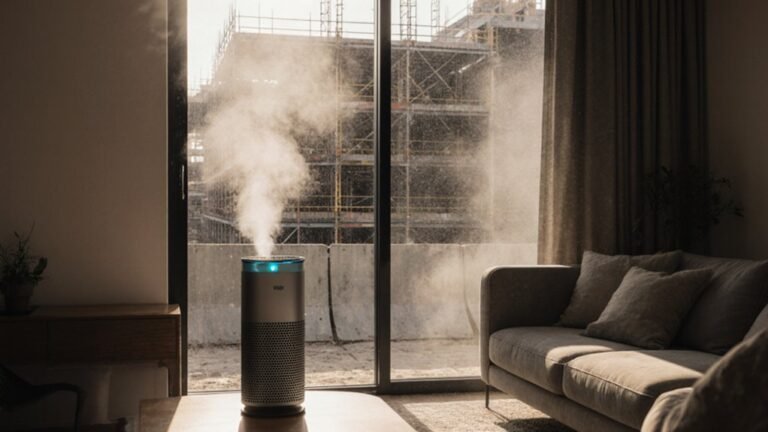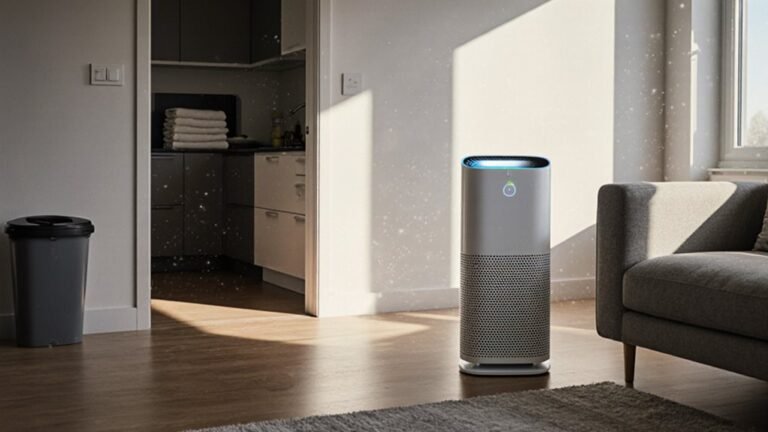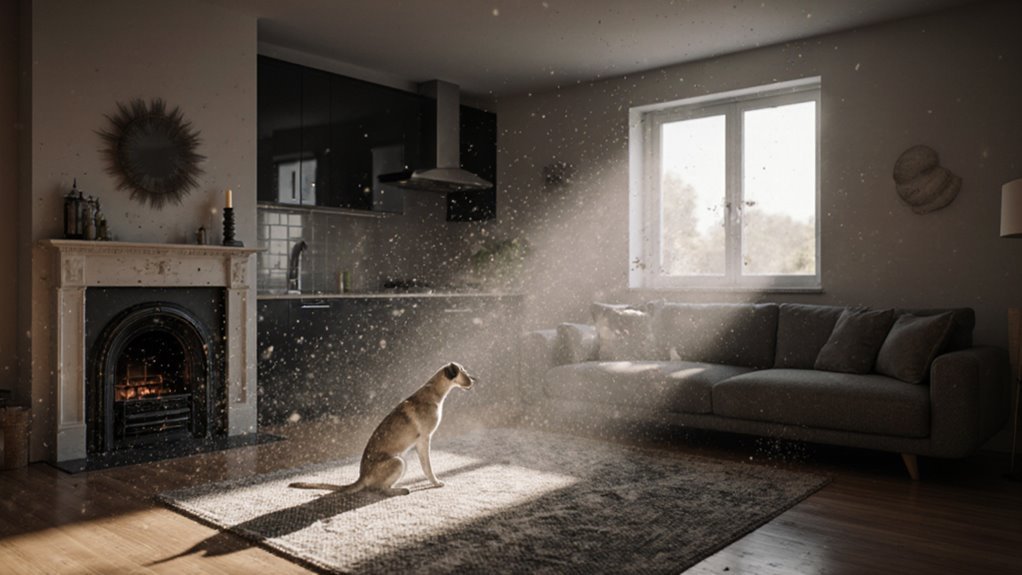

Indoor air often contains common pollutants like dust, pet dander, mold spores, smoke, volatile organic compounds (VOCs), and radon. These contaminants come from everyday activities, household products, building materials, and soil beneath homes. Some pollutants accumulate in carpets, upholstery, HVAC systems, and behind walls. Regular cleaning, proper ventilation, and targeted testing help reduce exposure and improve air quality. Knowing sources and solutions allows practical steps to protect respiratory health and comfort.
What Indoor Air Pollutants Are Common?
As you step inside your home, the air could feel calm, but a mix of pollutants can still build up around you.
You can breathe in fine particles from cooking, smoking, candles, or heating, and these tiny bits might travel deep into your lungs. At the same time, gas stoves and heaters can release nitrogen dioxide, which can irritate your airways.
New paint, cleaners, fresh furniture, and air fresheners could also send off volatile compounds that linger.
Carbon monoxide can appear from faulty burners or fireplaces, and radon can seep in from the ground.
Good ventilation strategies help lower many of these risks, and indoor plants can add comfort, though they won’t fix every problem.
Still, small changes can help you feel safer at home.
Dust and Dust Mites in Your Home
Dust and dust mites often hide in plain sight, and you could not notice them until your allergies start acting up. You’re not alone, and small changes can help you breathe easier at home.
| Spot | Risk | Fix |
|---|---|---|
| Bedding | High | Use mattress encasements |
| Carpet | Medium | Vacuum weekly |
| Closet dust | Medium | Wipe surfaces |
| Bedroom air | High | Watch humidity control |
Good acarid ecology means mites thrive where skin flakes, warmth, and moisture meet. So, keep indoor humidity under 50%, because that weakens their numbers. Also, check laundering frequency. Wash sheets and pillowcases weekly in hot water, then dry them fully. Should you share your space with family, these habits help everyone feel included and cared for. Clean under beds, too, since dust settles there fast. Finally, choose simple fabrics that don’t trap as much dust.
Pet Dander and Other Allergens
Pet dander can feel like an uninvited guest that never checks out, especially whenever sneezing, itchy eyes, or a scratchy throat keeps showing up at home. You’re not imagining it, and you don’t have to just put up with it.
Tiny skin flakes, saliva, and urine proteins can ride on clothes, settle in carpets, and linger in the air. That means even a bedroom-free pet can still leave traces behind.
To help, wash bedding often, vacuum with a HEPA filter, and keep pets off soft furniture when you can. Should symptoms keep bothering you, ask about allergen immunotherapy options. You can also use airborne protein monitoring to spot concealed triggers and guide smarter cleaning.
Small steps can make your home feel like your space again.
Mold Spores and Moisture Problems
Mold spores often show up while a home stays damp, and that can make a room feel stuffy, musty, and hard to enjoy. You deserve air that feels safe and calm, not one that keeps you on edge. Whenever concealed mold grows behind walls, under sinks, or near windows, it can spread quietly and bother your nose, throat, and breathing.
- Fix leaks fast so moisture doesn’t linger.
- Use condensation control on cold surfaces and in tight rooms.
- Dry wet fabrics, carpets, and shower areas right away.
Then keep indoor humidity low with steady airflow and a dehumidifier as required. Should you notice a strong mold smell, check closets, basements, and corners where water could collect. Small steps like these help your home feel more welcoming and help you breathe easier.
Smoke, Soot, and Combustion Pollutants
Catching smoke and soot promptly can make a big difference in how your home feels and how you feel in it.
Whenever you cook, burn candles, or use a fireplace, tiny particles can settle on walls, fabrics, and your lungs.
Good kitchen ventilation helps pull that grime outside before it spreads through your rooms.
Should you notice dark film on surfaces, clean it promptly so it doesn’t build up and make shared spaces feel stale.
Wood burning impacts can reach beyond the hearth, since smoke drifts into bedrooms and inhabited areas fast.
You can reduce that load through using dry wood, keeping fires small, and opening windows whenever outdoor air is cleaner.
Together, these steps help your home stay fresher, calmer, and easier to enjoy.
Carbon Monoxide and Other Indoor Gases
After you clear away smoke and soot, it’s smart to look at the gases that can hide in the air without any smell or color. You can’t trust your senses here, so portable detectors give you peace of mind and help you protect the people you care about.
- Carbon monoxide from heaters, stoves, fireplaces, or generators can build up fast.
- Radon can seep in from soil and linger in basements or lower rooms.
- Other gases, like ozone, can drift indoors and irritate your lungs.
You can lower risk through using venting best practices, checking appliances, and examining rooms that feel closed in.
Provided that you share your home with kids, elders, or anyone with asthma, these steps help everyone breathe with more confidence and feel like they truly belong.
Cleaning Product Chemicals in Indoor Air
At the time you clean, some products release vapors that can linger in your air and irritate your eyes, nose, or throat.
Fragrance compounds can also add to that load, even during a product smells fresh and harmless.
You can lower your exposure through choosing simpler, low-VOC cleaners and via opening windows or using exhaust fans while you clean.
Cleaning Chemical Vapors
Cleaning products can leave more than a fresh smell behind, because their vapors can build up in the air you breathe. You deserve a home that feels safe, so start with simple ventilation strategies whenever you wipe counters or scrub floors. Open windows, run fans, and keep air moving so fumes don’t settle in shared rooms.
- Choose green cleaning items with fewer harsh solvents.
- Mix and spray only what you need, then cap containers right away.
- Let freshly cleaned rooms air out before you relax there.
These small steps help you protect your space without giving up a clean routine. Whenever you work this way, you’re not just cleaning for yourself; you’re caring for everyone who lives with you, too. That shared effort can make your home feel calmer, healthier, and more welcoming.
Fragrance Compound Exposure
Fragrance compounds in cleaning products can drift through your home long after the spray bottle goes back under the sink. You might notice that fresh smell and feel reassured, but those indoor scents often come from tiny chemicals in the air. Should you have scent sensitivity, you could get headaches, sneezing, or a scratchy throat, even while others feel fine.
That difference can be frustrating, and you’re not being “too picky.” It’s just your body asking for space. Emission chemistry explains why these odors keep showing up, since some ingredients release into air slowly from wipes, sprays, and floor cleaners. So during cleaning, the air can carry a mix of fragrance pieces that linger, spread, and settle into the rooms you share with family.
Safer Product Choices
Even a “clean” home can hide a lot of chemistry, so safer product choices matter more than most people realize. Whenever you read labels, you protect your air and help your home feel like a place where everyone can breathe easier. Look for ingredient transparency, so you know what’s inside before you spray, scrub, or mop. At the time, choose products with green certifications that limit harsh solvents and strong fumes.
- Pick fragrance-free cleaners, because scents can add VOCs fast.
- Ventilate while you clean, since open windows and fans help carry chemicals out.
- Use only the amount you need, and store bottles tightly closed.
Small swaps can reduce irritation, and they make your space feel kinder for kids, guests, and you.
VOCs in Furniture, Paint, and Flooring
Upon bringing home new furniture, fresh paint, or new flooring, you could also introduce VOCs that slowly leak into your air. These chemicals can build up most in the initial days or weeks after installation, so you may notice strong odors or mild irritation. Good ventilation, low-VOC products, and a little patience can make your home feel safer and more comfortable.
VOCs From New Furniture
Often, the newest couch, table, or paint job smells “fresh,” but that smell can mean VOCs are drifting into your air. You’re not imagining it, and you’re not alone in worrying. New furniture can release chemicals faster at outset, especially in warm rooms. That’s called accelerated off gassing, and it can make your home feel less welcoming for a while.
- Open windows whenever you can.
- Let items air out before you sit or sleep nearby.
- Choose low-VOC labels initially you shop.
Good health risk communication helps you spot the difference between a normal new-item smell and a stronger warning sign, like headaches or eye irritation. With a little care, you can make your space feel safer, calmer, and truly yours.
Paint and Flooring Emissions
The new couch smell may fade, but paint and flooring can continue working on your air long after the room looks finished. You deserve a home that feels fresh, not stuffy, so pay attention to what goes on walls and underfoot.
Wet paint, glue, sealants, and new vinyl or laminate can release VOCs for weeks, and warmer rooms can make the smell stronger. Choose mineral based paints when you can, and look for low emission flooring that lists evaluated emissions.
Also, open windows, run fans, and let new materials air out before you move back in. Should you’re planning a remodel, ask for products with clear labels. Small choices like these help your space feel safer, calmer, and more welcoming for everyone inside.
Pollen and Outdoor Pollutants Indoors
Near open windows, doorways, and vents, pollen and outdoor pollutants can slip indoors and quickly affect how your home feels and how you breathe. During seasonal peaks, you might notice more sneezing, itchy eyes, or that dusty taste in the air.
Your building envelope helps, but it won’t stop every bit of pollen infiltration, so small gaps matter. Good habits can lower exposure and help your space feel calmer:
- Close windows whenever pollen counts rise.
- Clean or replace filters for better filtration effectiveness.
- Wipe shoes, pets, and surfaces before particles spread.
You don’t have to seal yourself off from the world. Instead, make your home work with you. If you watch the forecast and use steady airflow wisely, you create a place where everyone inside can breathe easier together.
Radon: The Odorless Home Hazard
Radon can slip into your home from the soil below, moving through cracks, gaps, and other concealed openings.
You can’t see or smell it, but long-term exposure raises your lung cancer risk, especially should you also smoke.
The positive news is that you can evaluate your home and, should it be necessary, install mitigation systems that lower radon levels.
Radon Sources Indoors
Although you can’t smell it or see it, radon can slip into your home through tiny cracks in the foundation, gaps around pipes, sump openings, and crawl spaces, then build up in the air you breathe every day.
Because it comes from soil gas, you’ll often find it entering through basement cracks and other weak spots where the ground meets your house.
To envision the path, consider three common entry points:
- Open seams in concrete floors
- Gaps around utility lines
- Unsealed crawl spaces
You’re not alone if this feels unsettling.
Many homes face the same concealed issue, and that’s why simple screening matters.
Once you know where radon starts, you can make smarter choices and protect the place where your family feels most at home.
Health Risks Of Radon
Once radon gets inside your home, the real concern isn’t just that it’s concealed, but that it can harm your lungs over time without any warning signs.
You might breathe it in for years and feel fine, yet that quiet exposure raises your lung cancer risk.
In the event you smoke, the danger climbs faster, but even should you not, radon still matters to your family’s future.
That’s why basement mitigation can be a smart step in homes where radon lingers below. It helps protect the spaces where you gather, rest, and grow together.
Also, longterm monitoring gives you peace of mind, since levels can shift with seasons and airflow.
Through staying alert, you help lower progeny risk and keep your household safer, steadier, and more connected.
Testing And Mitigation
Because radon gives you no smell, color, or warning, testing is the only way to know whether it’s in your home and mitigation is the only way to bring high levels down with confidence. You can’t guess your way to safety, but you can take calm, smart steps that fit your home and routine.
- Use short-term kits or portable monitors initially, then follow up with a long-term exam if needed.
- Place exams on the lowest lived-in level, away from drafts, and leave them undisturbed.
- If results run high, call a pro for sealing gaps and ventilation upgrades, often through sub-slab depressurization.
That process helps you protect your space without panic. You’re not alone in this, and many homes lower radon well once testing leads the way.
How to Cut Indoor Pollution Exposure
Cutting indoor pollution exposure starts with finding the main sources in your home and then making a few steady changes that actually stick.
Start with ventilation strategies: crack windows whenever outdoor air is cleaner, run kitchen fans while you cook, and keep bathroom fans on after showers. Provided you can, use air sensoring tech to spot spikes from smoke, gas, or cleaning sprays.
Next, cut the biggest sources. Don’t smoke indoors, choose low-VOC products, and store strong cleaners tightly closed. Use a HEPA purifier in rooms where dust, pet dander, or cooking particles build up. Also, keep humidity in check so mold and mites don’t get comfy.
Small moves like these help you breathe easier and feel more at home, because your space should support you, not wear you down.
Frequently Asked Questions
How Can I Measure Indoor Pollution Without Professional Equipment?
You can use DIY monitors and simple sensors to track pollution levels, then compare readings before and after window ventilating. You will spot patterns, protect your home, and feel confident making cleaner air choices together.
Which Pollutants Are Most Dangerous for Children at Home?
For you, the biggest threats are lead dust, nitrogen dioxide, mold, and fine particles. They can quietly harm breathing, learning, and growth, yet you are not powerless; better ventilation, cleaning, and upkeep help protect your child.
Do Air Purifiers Remove All Common Household Air Contaminants?
No, you cannot rely on air purifiers alone. HEPA filters help with particles, but they do not remove all gases or radon, and some devices create ozone risks. You will need ventilation, source control, and regular maintenance.
How Often Should Indoor Air Quality Be Tested?
You should evaluate indoor air yearly and again after renovations, leaks, new furnishings, or if symptoms worsen. Add seasonal testing and ventilation assessment to catch changes promptly so you protect everyone at home.
Can Indoor Pollution Affect Sleep or Concentration?
Yes, indoor pollution can disrupt your sleep and concentration, leaving you foggy and less connected. Pollutants like smoke, VOCs and carbon monoxide might trigger sleep disruption and cognitive decline, so you will feel better with cleaner air.