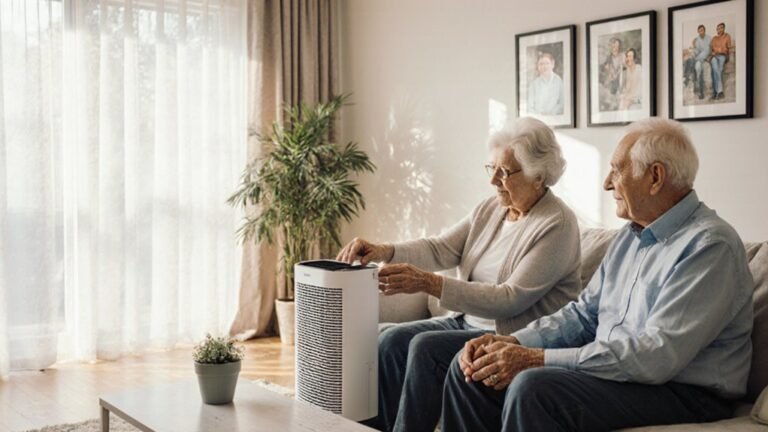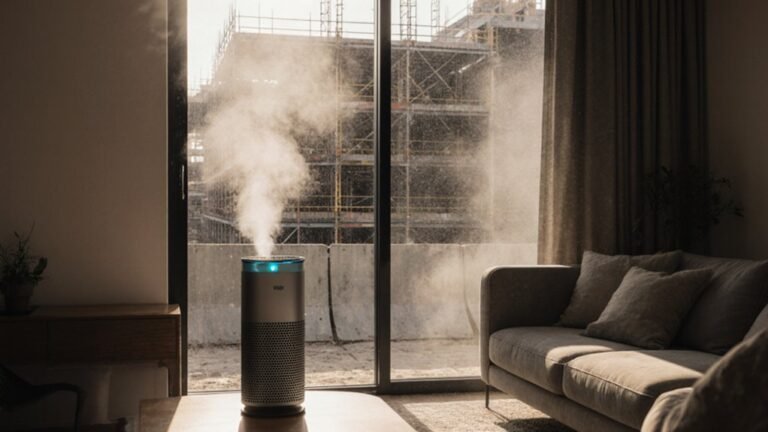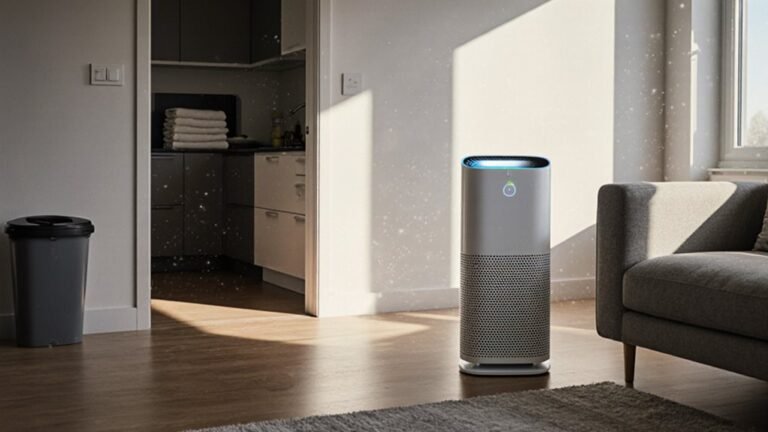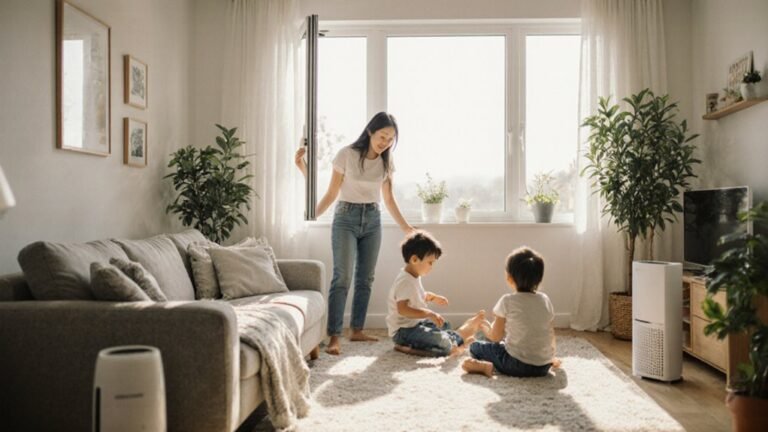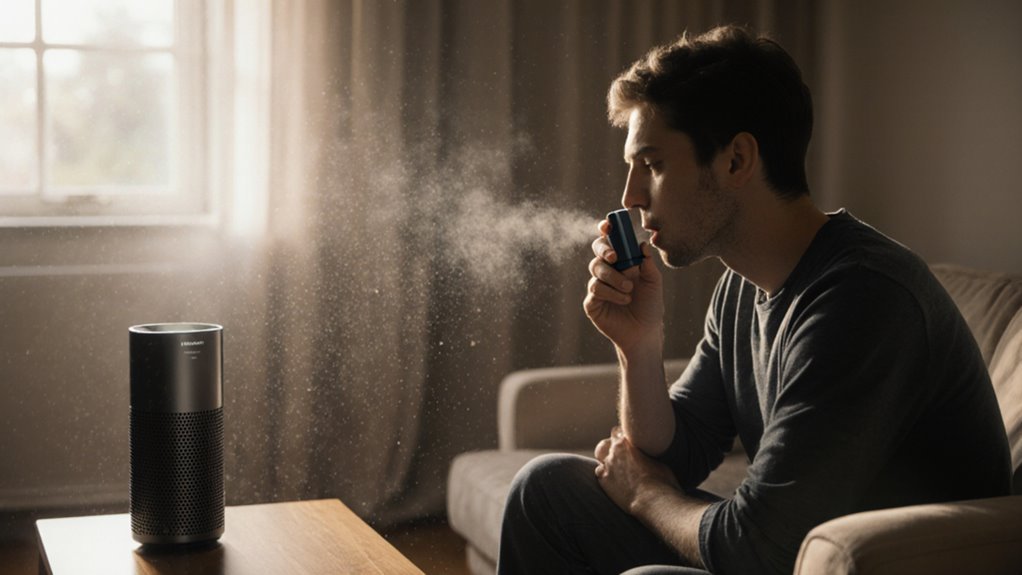

Air purifiers can reduce airborne triggers that worsen asthma by removing pollen, pet dander, dust, and many smoke particles. A true HEPA unit combined with activated carbon filters captures fine particles and some odors, which often eases coughing, nighttime flare-ups, and chest tightness. Correct room size match, strategic placement, and regular filter replacement determine real-world effectiveness. Some purifier types produce ozone or fail to trap ultrafine particles, so choosing a certified model matters. This article explains how to pick and use an air purifier to help keep asthma symptoms lower.
What Air Purifiers Can Do for Asthma
A good air purifier can be a quiet helper while asthma makes the air feel like a problem. You can use it to lower the tiny particles and irritants that drift through your room and bother your lungs.
Whenever the air stays cleaner, you might notice fewer flare-ups, better breathing comfort, and reduced exacerbations during busy seasons. For many people, that can also mean medication sparing, because you might need less rescue medicine on some days.
This support feels especially helpful whenever dust, pet dander, or smoke lingers indoors. Still, you should pair it with good habits, like keeping windows closed during poor air days and changing filters on time. Then your space can feel more like a place where you belong, not a place you brace against.
How Air Purifiers Trap Asthma Triggers
Inside the filter, the purifier starts doing the quiet work that can make breathing feel less tense.
You mightn’t see it, but airflow dynamics pull dusty air through a tight maze, so tiny bits of pollen, pet dander, and smoke get caught before they drift back to you.
Some devices also use electrostatic effects to help particles cling to charged surfaces, which can lower the stuff floating around your room.
- Cleaner air can feel easier on tired lungs
- Fewer particles might mean fewer surprise flare-ups
- Captured triggers stay trapped, not recirculated
- Steady airflow helps the purifier keep working
- A calmer room can feel more like your safe space
As the air keeps moving, the purifier keeps intercepting what bothers you, so your space can feel more like a place where you belong.
Best Filter Types for Asthma
For asthma, you’ll usually want a purifier with a true HEPA filter because it captures tiny particles like dust, pet dander, and pollen very well.
Should odors, smoke, or chemical smells also bother you, a carbon filter can help through reducing those gases that might irritate your airways.
Together, these filters can make your indoor air feel easier to breathe, especially whenever you use a unit that fits your room size.
HEPA Filter Benefits
HEPA filters often give people with asthma the clearest relief because they trap at least 99.97% of airborne particles as small as 0.3 microns, which includes many common triggers like dust mite bits, pet dander, pollen, and fine smoke particles.
Whenever you breathe easier at home, you can feel less on edge and more like yourself.
- You might notice fewer flare-ups during cleaning.
- Your room can feel calmer for sleep.
- filter lifespan stays strong with regular care.
- maintenance scheduling helps you replace filters on time.
- You can pair one purifier with your main inhabited space.
Because HEPA works on particles, it targets the stuff that most often irritates your airways.
That makes it a steady choice for your daily routine, especially whenever you want support that fits right into your home and your life.
Carbon Filter Use
Activated carbon filters can make a real difference whenever asthma symptoms seem tied to smells or gas in the air.
Whenever you choose an air purifier with activated carbon, you help trap volatile organic compounds, smoke, and stubborn odors that can leave your chest feeling tight.
This matters because particles are only part of the problem; irritating gases can still bother you.
In case your unit also has HEPA, you get stronger support for everyday breathing comfort.
Still, you should avoid models linked to ozone generation, since ozone can irritate your airways and stir up symptoms.
Look for a certified low-ozone purifier, replace filters on schedule, and keep it running in the room where you spend the most time.
That way, you can breathe easier and feel more at home.
Why HEPA Filters Stand Out
Once you’re trying to calm asthma triggers at home, HEPA filters stand out because they trap the tiny particles that often stir up trouble in your lungs. Whenever you check particle size, you’ll see why they work so well, and filter certification helps you trust the claim.
- They catch fine allergens that float in shared rooms.
- They keep air moving without making you guess.
- They fit into routines you can actually keep.
- They support cleaner spaces where you can breathe easier.
- They offer steady help, even on busy days.
You deserve a home that feels safe, not stuffy. So, whenever you pick a certified HEPA unit, you’re choosing a filter that works with your life and gives you one less thing to worry about.
Air Purifiers for Smoke and Dust
Smoke can leave tiny particles floating in your home, and an air purifier with a HEPA filter can catch many of them before you breathe them in.
It can also help trap dust and dust allergens that often cling to those particles and stir up your asthma.
Whenever you use the right purifier in the right room, you can make the air feel calmer and easier on your lungs.
Smoke Particle Capture
Many air purifiers can help trap the tiny particles that make smoke and dust so hard on your lungs.
Whenever you choose a HEPA unit, you give your room a steady teammate that pulls in soot before it settles in your airways.
Smoke chemistry matters because fine particles carry irritants deep inside you.
Deposition behavior also matter, since smaller bits travel farther and stick longer.
- Place the purifier near where you breathe most.
- Run it whilst smoke lingers indoors.
- Check the CADR for your room size.
- Keep filters clean so airflow stays strong.
- Pick low-ozone models for safer use.
That simple setup can help you feel less boxed in, especially whenever the air outside still smells like trouble.
Dust Allergen Reduction
Provided dust seems to follow you from room to room, an air purifier can help take some of that burden off your lungs. As you run a HEPA purifier, it pulls tiny dust allergen pieces from the air before you breathe them in. That can matter most in your bedroom, where you spend hours close to bedding and pillows.
For even better relief, pair the purifier with mattress encasements, because they block dust mites and help keep allergens from building up. You can also use humidity control to slow mite growth, since damp air gives them a cozy home. Together, these steps can lower irritation and help you feel more settled in your own space. Keep filters clean, and let the unit work while you rest.
Choose the Right Room Size
A room that’s too big can leave your air purifier working overtime, while a room that’s too small can make it feel like overkill, so the fit really matters. Once you match room capacity to your space, you help the unit support your breathing without a struggle. That can also keep noise levels more comfortable, which matters if you want calm nights and easier days.
- Check the square footage before you buy.
- Match the purifier to one main room.
- Place it where air can move freely.
- Keep doors in mind, since open spaces change the fit.
- Choose a model you can live with every day.
After you feel confident about the size, you’re more likely to keep using it. And that steady use can help you feel at home in your own space.
Why Air Changes Per Hour Matter
Often, the number of air changes per hour tells you more about an air purifier than the box ever will.
When you track air exchange, you see how fast your room clears out the particles that can bother your lungs.
A stronger ventilation strategy with enough clean air means less pollen, dust, and smoke hanging around to trigger symptoms.
Good room mixing helps the purifier pull dirty air through the filter instead of leaving pockets untouched. That matters whenever you’re trying to feel safe in your own space.
Placement impact still counts for airflow, but ACH shows the bigger image: how often the whole room gets renewed.
In case the rate is too low, you might breathe the same irritants again and again, even with a good filter.
Where to Place Your Air Purifier
To get the most from your air purifier, place it where it can actually move air through the room, not hide in a dead corner like it’s taking a nap.
You want it near the center of the space, with clear room around the intake placement so it can pull in dusty air from where you breathe.
Keep it close to your bed, couch, or desk when that’s where you spend time.
Also, consider noise positioning, because a quieter spot helps you keep it running and feel part of your own room.
- Don’t block vents or walls
- Set it on a flat surface
- Keep cords safe and tidy
- Leave space on all sides
- Put it where airflow feels open
When to Replace Air Filters
You should watch your filter for signs that it’s getting full, like weaker airflow, more dust around the unit, or a musty smell.
A clogged filter can make your purifier work harder and protect you less, which is especially crucial when you manage asthma at home.
Follow the replacement schedule in your manual, but check it sooner provided you use the purifier often or live with pets, smoke, or heavy dust.
Filter Replacement Signs
A good air purifier can help ease asthma triggers, but it only works well provided the filter stays in shape, so watch for the small signs that it’s time for a change. You’ll feel more at ease whenever you know what your unit is telling you. Look for these filter indicators and trust your nose, too, because stale or dusty air often means trouble. In case your purifier has replacement alarms, don’t ignore them, even though the machine still runs.
- Dust clings to the grille
- Airflow feels weaker
- Odors linger longer
- The filter looks dark or packed
- Your symptoms seem to flare indoors
Once you notice these changes, swap the filter right away so your room stays cleaner and your breathing feels steadier, calmer, and more supported.
Replacement Schedule Tips
Most air filters need a steady replacement rhythm, and that schedule matters even more as asthma is part of daily life. You can keep your space safer by checking the filter lifespan in the manual and marking the date you install each new one. Then set replacement prompts on your phone, calendar, or smart speaker so you don’t have to recall alone.
In case you run the purifier every day, or you live with pets, smoke, or extra dust, you might need changes sooner. A clogged filter can slow airflow and let triggers hang around longer. So, trust the timeline, but also watch for heavy use and dirty rooms. Whenever you replace on time, you help your purifier keep working for you and your crew.
Common Mistakes That Hurt Performance
Slipping up on setup can quietly weaken an air purifier’s help for asthma, and that can feel frustrating while you’re trying so hard to breathe easier. You’re not alone, though, and small fixes can bring real comfort.
- Put it where air can move freely.
- Keep blocked vents clear of walls, curtains, and furniture.
- Run it in the room you use most.
- Choose a size that fits the room.
- Watch for noisy operation, since constant shutdowns cut cleaning time.
Should you skip these basics, the unit might miss the particles that stir up symptoms. You also need to replace filters on time, because a clogged filter slows airflow fast.
And should you place it near a corner, it can’t help your space as well. A few smart changes can make your home feel more supportive.
Do Air Purifiers Help With Allergies?
Yes, air purifiers can help with allergies through trapping tiny particles like pollen, pet dander, and dust mite debris prior to you breathe them in.
Whenever you use a HEPA purifier the right way, you might notice fewer sneezes, less coughing, and calmer eyes and nose.
It won’t fix every trigger, but it can lower your indoor allergen load and make your home feel easier to breathe in.
Allergen Particle Capture
Air purifiers can help with allergies because they pull tiny particles out of the air before you breathe them in.
Whenever you choose a HEPA unit, you improve particle capture for airborne allergens like pet dander, dust mite bits, and pollen.
That means less of those triggers floating around your room, which can make your space feel more comfortable and more like home.
- Look for HEPA filters.
- Match the unit to your room size.
- Run it whenever you’re home.
- Replace filters on schedule.
- Keep doors and windows closed.
If you share your space with family or pets, this cleanup can help everyone feel included.
Just recall, a purifier works best whenever it fits your room and stays maintained.
Allergy Symptom Relief
Once your purifier starts catching the tiny stuff, the next question is the one that matters most: can it help you feel better day to day? Should you deal with allergies, it can ease the load on your nose, eyes, and chest through lowering airborne pollen, dust, and pet bits.
That matters most during pollen seasonality, whenever symptoms can spike fast and make home feel less restful. You might notice less sneezing, less congestion, and fewer wake-ups, especially whenever you keep doors shut and run the unit often.
For best support, pair it with mattress encasements, which help block concealed triggers alongside you sleep. You still might react to outdoor air, but inside, you can build a calmer space that feels easier to breathe in.
When an Air Purifier Isn’t Enough
Even a good air purifier can only do so much while the real asthma triggers keep coming back. In case smoke, pet dander, or cooking fumes keep drifting in, you’re still breathing from residual sources that the machine can’t fully catch. And whenever your behavioral limits mean you can’t change every habit at once, progress can feel slow. You’re not failing; your space just needs more than one layer of support.
- Watch for repeat trigger spots.
- Notice which rooms feel worse.
- Check for shared air from neighbors.
- Track flare-ups after daily routines.
- Ask what’s still feeding the air.
Whenever you see the pattern, you can talk with your care team and your people about what’s missing. That way, you don’t have to manage asthma alone.
Safe Use Tips for Asthma
Safe use starts with choosing the right purifier and using it the right way, especially once you’ve already noticed that your home still holds onto smoke, dust, or pet dander. Keep it running in the room where you spend the most time, and change filters on schedule so trapped particles don’t build back up.
Should your purifier uses ionizing or electrostatic tech, check that it won’t add ozone, since that can bother your lungs. Pair it with ventilation strategies like opening windows whenever outdoor air is clean and using exhaust fans while cooking.
Also, ask your clinician about medication interactions provided you notice more coughing, wheezing, or sleep trouble after changes at home. Whenever you use the device well, you give yourself a calmer space and a better chance to breathe easier.
How to Choose the Best Air Purifier
Upon choosing an air purifier for asthma, the best model is the one that matches your room, your triggers, and your daily routine without making life harder. Look for a HEPA filter, because it traps tiny allergens and dust that can bother your lungs. Then match the CADR to your room size so the unit can clean the air well. Should you share space with others, check noise levels so you can sleep, study, or relax without a buzz. Also compare budget models, but don’t trade away filter quality or safety.
- Choose certified low-ozone units
- Check filter costs before buying
- Use one purifier per room
- Keep doors and windows in mind
- Replace filters on schedule
Frequently Asked Questions
Can Air Purifiers Reduce Asthma Medication Use?
Yes, you can sometimes reduce asthma medication use with air purifiers, especially if they reduce your triggers. Better medication adherence and fewer flare ups could bring cost savings, though results vary and are not guaranteed.
Do Air Purifiers Lower Feno or Airway Inflammation?
Yes—remove the em dash: “Yes, you’ll often see lower fractional exhaled nitric oxide, and that can mean less airway inflammation. With cleaner air, you’re not fighting invisible chaos every breath; you might even help protect against airway remodeling over time.”
Which Asthma Patients Benefit Most From Air Purifiers?
You will benefit most if you are a child who is sensitive to pets, dust, or pollen, or if your asthma is allergy driven and your home has high PM2.5. You will usually notice the biggest improvements in those situations, especially with cleaner indoor air.
Can Ionizing Purifiers Worsen Asthma Symptoms?
Yes, they can. If you use ionizing purifiers, particle charging might help remove dust, but ozone generation can irritate your airways and trigger symptoms. You will usually do better choosing certified low ozone HEPA options instead.
Do Air Purifiers Help if Indoor Smoke Sources Remain?
Not much; you will still breathe smoke while indoor sources continue. You will get more benefit once you stop the source, improve ventilation, and place a HEPA unit near you, with regular checks to ensure the filter is seated correctly.