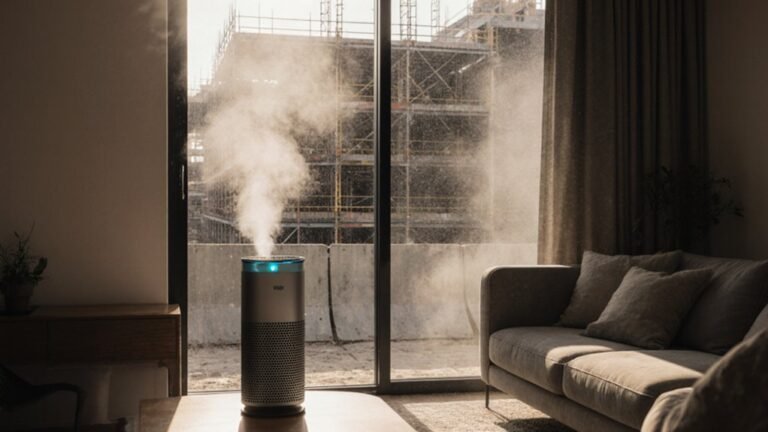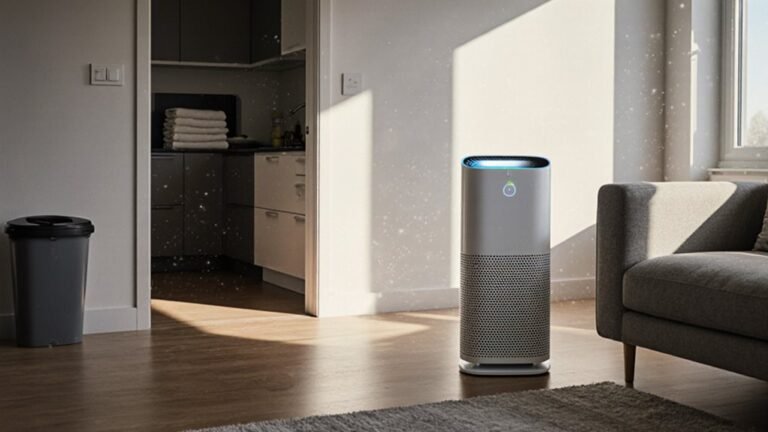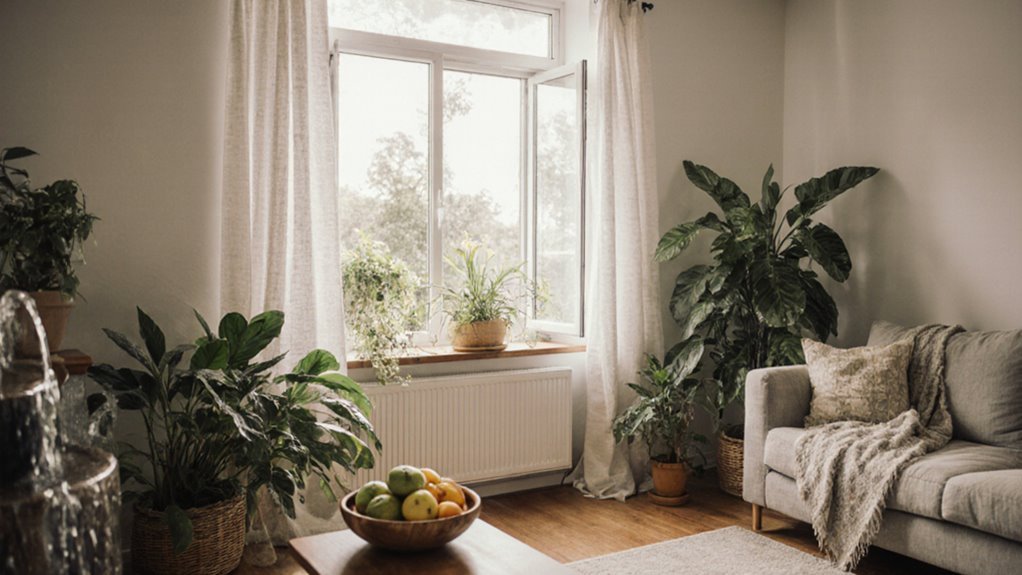

Fresh indoor air starts with simple daily habits that reduce pollutants and boost ventilation. Open windows briefly and use fans to move stale air outside and bring fresh air in. Cook with lids and use range hoods to cut grease and combustion particles. Reduce dust by cleaning floors and fabrics regularly and choose low-VOC cleaners and finishes. Houseplants, charcoal, and natural materials can help absorb odors and support a healthier home environment.
How Poor Indoor Air Affects Health
As soon as indoor air gets dirty, your body often feels it initially. You could notice a scratchy throat, stuffy nose, or tired eyes before you can name the cause.
Tiny particles and gases can irritate your airways, trigger respiratory inflammation, and make breathing feel harder during rest or play.
As the irritation continues, you may cough more, sleep less deeply, and feel worn down in the spaces where you should feel safe and comfortable.
Poor air can also affect your focus and mood, and those cognitive impacts can make school, work, and family time feel heavier.
Whenever you share a home with others, these symptoms can spread through the group, leaving everyone less settled. You deserve air that supports you, not air that quietly drains you.
Open Windows to Improve Airflow
Crack a window, and you can help stale air move out while fresher air moves in. You don’t need a full draft to feel better, either. Try a smart window placement strategy by opening windows on opposite sides of your home. That’s cross ventilation timing in action, and it works best for 5 to 15 minutes whenever outdoor air feels clean.
- Start with the rooms you use most, so your space feels shared and cared for.
- Open higher and lower windows whenever you can, because air flows more smoothly.
- Close windows whenever smoke, pollen, or heavy traffic makes the air worse.
Should your home feel stuffy, this small habit can help you and your people breathe easier together.
Use Houseplants Wisely
Houseplants can brighten a room and make it feel calmer, but they work best whenever you use them with clear expectations. You can enjoy their charm while recalling they’re only one part of cleaner air.
Choose a few sturdy plants, then consider plant placement near bright spots with room to grow, not cramped corners. That helps leaves stay healthy and lets you feel more connected to your space.
Next, keep up with simple soil care by watering only once the top feels dry, since soggy pots can invite musty smells. You should also trim dead leaves and wipe dust from foliage so the plant can breathe well.
Whenever you treat them as living aides, they’ll support comfort and create a welcoming home vibe.
Reduce Dust and Hidden Allergens
Dust can sneak into your home and settle in places you don’t notice, so it helps to get ahead of it before it builds up. You can make your space feel calmer by cleaning in a way that catches concealed allergens, not just what you see. Start with soft surfaces, then move to the spots people miss.
- Vacuum rugs, sofas, and corners with a HEPA filter, so dust doesn’t float back.
- Wash bedding often, and keep pets brushed through regular pet grooming to cut dander.
- Use covert storage for toys, clothes, and extra items, because less clutter means fewer dust traps.
When you stay steady, your home feels fresher, and everyone can breathe a little easier together. Pair this with damp cloth wipes, and you’ll notice less sneezing, less settling dust, and more comfort every day.
Avoid Scented Products and Harsh Chemicals
You mightn’t notice scented sprays, candles, or strong cleaners initially, but they can fill your home with concealed pollutants that irritate your lungs and linger in the air.
Whenever you switch to fragrance-free and low-VOC options, you lower that load and make your space feel calmer and easier to breathe in.
Small changes like this can protect your air without making your cleaning routine harder.
Hidden Indoor Pollutants
Scent can sneak in and mask a bigger problem, because many products that smell “clean” actually release concealed indoor pollutants into the air. You may feel at home, but concealed gases can still linger. Start with radon screening, since this gas has no smell and can build up in quiet rooms. Then watch for volatile hotspots near new furniture, carpets, paints, and stored cleaners.
- Check basements and lower floors initially, where air often sits still.
- Open cabinets and laundry areas, because fumes gather there fast.
- Replace harsh sprays with fragrance-free choices so your space feels safer for everyone.
When you reduce these sources, you protect the people you live with and make your home feel more welcoming. Small changes help you breathe easier without losing comfort or belonging.
Safer Natural Alternatives
Switching to safer choices can make your home feel calmer right away. You can skip scented sprays, heavy perfumes, and harsh cleaners that fill rooms with irritating fumes. Instead, choose fragrance-free soap, vinegar for light wiping, and gentle plant-based products.
Whenever you want a cozy mood, light beeswax candles and keep them brief. They burn cleaner than paraffin and help you avoid extra soot. You can also place activated charcoal in closets, shoes, or small corners to catch stubborn odors.
Open windows after cleaning, so fresh air carries away anything left behind. Little swaps like these help you breathe easier and feel more at home with the people around you.
Control Humidity to Prevent Mold
Whenever indoor air feels damp, mold can take hold fast, so keeping humidity in check is one of the kindest things you can do for your home and your lungs. You’re not fighting your house; you’re helping it breathe easier.
- Aim for 30 to 50 percent humidity, and use hygrometer placement near bedrooms and wet areas to spot trouble promptly.
- Try basement dehumidification whenever air feels sticky, musty, or cool, since basements often trap moisture and invite mold.
- Fix leaks and dry spills quickly, because even small wet spots can keep spores happy.
If you watch humidity closely, you protect your space and the people who live in it. That simple habit helps everyone feel safer, fresher, and more at home.
Clean Vents, Filters, and Fans
Now that you’ve kept moisture in check, it makes sense to clean the parts of your home that move air through every room. Whenever you care for vents, filters, and fans, you help your household breathe easier together. Start with filter maintenance: check them each month and replace clogged ones on schedule. Then do a quick fan inspection in bathrooms, kitchens, and return vents. | Spot | What You See |
| — | — |
|---|---|
| Vent covers | Dust rings |
| Filter | Gray buildup |
| Fan blades | Light lint |
| Grilles | Stale debris |
| Housing | Clean edges |
Wipe grilles with a damp cloth, vacuum loose dust, and tighten anything loose. Also, keep the air path clear so your system can work well for everyone at home. These small chores don’t take long, and they help your space feel fresher, calmer, and more welcoming.
Cut Smoke and Cooking Pollution
Whenever you cook, turn on the kitchen exhaust fan right away and keep it running during and after the meal so smoke and steam don’t linger.
Open a window provided the air outside is clean, and use low-smoke methods like simmering, baking, or covered pans to cut down on fumes.
These small habits can make your kitchen feel fresher and help the rest of your home stay easier to breathe.
Use Kitchen Exhaust Fans
A good kitchen exhaust fan can make a big difference, especially provided you cook often or like to sear, fry, or toast food until it smells incredible but fills the air with smoke. You protect your home and help everyone breathe easier if you switch it on before heat rises.
- Pick a fan with strong airflow and low noise levels, so you’ll actually use it once dinner gets lively.
- Check installation tips before buying. A fan that vents outdoors works far better than one that just recirculates air.
- Clean the filter often. Grease buildup weakens performance and lets smoke linger longer.
Whenever you use the fan each time you cook, you cut particles at the source and keep your kitchen feeling fresh, calm, and welcoming for the people who share it.
Ventilate During Cooking
Cooking can fill your home with smells you love, but it can also send smoke, grease, and fine particles into the air fast. So give that air a way out right away. Turn on stovetop venting before the pan gets hot, and keep it running while you cook and for a few minutes after.
Should the weather feel okay, try timed windowing by opening a window near the kitchen or across the room to help fresh air move through. This simple step can make your space feel lighter, cleaner, and more comfortable for everyone in it.
You don’t have to do it perfectly. Just build the habit, and your home will feel more welcoming every time you make a meal.
Choose Low-Smoke Methods
Another easy way to lower kitchen smoke is to choose gentler cooking methods that don’t create as much pollution in the initial place. You can roast with lower heat, steam vegetables, or braise food so your home feels cleaner and calmer.
Whenever you pick smoke free alternatives, you help everyone breathe easier and keep mealtime relaxed.
- Use a covered pan, because it traps heat and cuts splatter.
- Try ventless heating tools only if you need them, and keep them short.
- Swap charring for simmering, since less burning means less fine dust.
Also, choose oils with higher smoke points and turn down the flame before food starts to scorch. That small shift protects your kitchen air and keeps your household in the same good rhythm.
Choose Safer Home Materials
Choosing safer home materials can make your indoor air feel cleaner almost right away, and it often starts with the things you bring through the door.
You can pick low emitting flooring, like sealed wood or cork, so your rooms don’t fill up with harsh odors. You can also ask for formaldehyde free cabinetry, which helps your kitchen feel fresher and more welcoming.
Whenever you shop for paint, glue, or sealant, choose low-VOC labels and let new items air out before use. That small step can save your nose from a surprise.
Also, check furniture tags and skip products with strong chemical smells. Should you be renovating, ask local suppliers for safer options. Little choices like these help you create a home that feels comfortable, shared, and easy to breathe in.
Build Daily Habits for Cleaner Indoor Air
Every day, you can make your home’s air a little easier to breathe with small habits that add up fast. Your daily routines matter because tiny choices shape the room you share with family and guests. Start with mindful behaviors that fit your day without stress.
- Open windows for 5 to 15 minutes whenever outdoor air is clean, and run fans after cooking or showering.
- Wipe dust with a damp cloth, vacuum with HEPA tools, and wash bedding often to cut concealed buildup.
- Keep humidity near 30 to 50 percent, fix leaks fast, and skip scented sprays, candles, and smoking indoors.
These steps help you feel more at home, because cleaner air supports comfort, trust, and easier breathing for everyone nearby.
Frequently Asked Questions
How Often Should I Replace My HVAC Filter for Better Air Quality?
You’ll usually replace it every 30 to 90 days; a friend’s dusty filter clogged in six weeks, dropping airflow fast. Choose monthly replacement for heavy use, and follow your filter MERV rating’s guidance for best air quality.
What Indoor Humidity Level Best Prevents Mold Growth?
You’ll want an ideal humidity around 30 to 50 percent, because mold growth usually rises above the mold threshold near 50 percent. Keep your home dry, and you’ll protect your space, comfort, and everyone breathing there.
Are HEPA Air Purifiers Worth Using in Every Room?
Not every room needs one; you’ll feel the biggest payoff in bedrooms and shared spaces. A friend’s purifier cut allergy misery like opening a window after rain, though portable noise and filter cost still matter.
How Can I Tell if My Home Needs Better Ventilation?
You’ll notice your home needs better ventilation if stale odors linger, windows fog up, humidity rises, or temperatures feel uneven from room to room. Also watch for stuffiness, headaches, or lingering cooking smells after chores.
Which Low-Voc Materials Are Best for New Furniture?
You’ll want furniture made with solid wood, water based finishes, and soy adhesives; they off gas less and support your healthier home goals. Look for GREENGUARD Gold or similar labels, too.