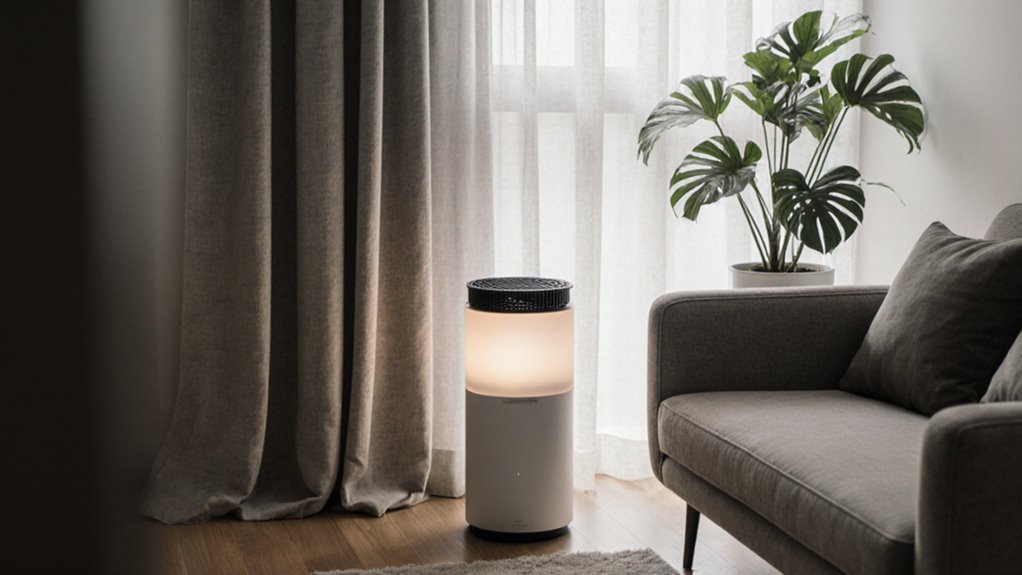

Air purifiers for apartments and small spaces should match room size and run quietly. Look for a true HEPA filter, sufficient CADR for your square footage, and activated carbon for odors. Compact units with clear placement guidance work best in tight layouts. Consider noise level, energy use, and filter replacement costs before buying. Picking a balanced unit avoids wasted space and delivers cleaner air day to day.
What Features Matter Most in Apartment Air Purifiers?
At the time you’re choosing an air purifier for an apartment, the features that matter most are the ones that match your room size, clean the air fast enough, and stay easy to live with every day.
You want a model that feels like part of your home, not a noisy stranger in the corner. Look for low noise tradeoffs, because you’ll use it more whenever it doesn’t crowd your sleep or study time.
A true HEPA filter helps you breathe easier, and a carbon layer can soften smoke and odors. Also check filter lifespan, since shorter changes can cost more and add hassle.
Finally, pick simple controls, clear indicators, and a size that fits your space so you can relax with confidence.
How to Choose the Right Size and CADR
Start by measuring your room’s length and width, then compare that size to the purifier’s recommended coverage area.
Next, check the CADR, because a higher number means the unit can clean the air faster, which matters whenever your space feels a little too cozy.
Should your ceiling be taller than 8 feet or your room is open to another area, you might require a larger unit or more than one purifier to get the clean air you want.
Room Size Basics
Choosing the right air purifier for a small room starts with one simple step: measure the space and match it to the unit’s CADR. That way, you’re not guessing, and you can feel confident your place gets the care it needs. Check room length and width, then observe ceiling height, because taller rooms need more effort. Should your home uses layout zoning, consider about each zone as its own air pocket.
- Measure the room in feet.
- Compare that area with the purifier’s rating.
- Pick a model that fits your bedroom, studio, or den.
When the size lines up, you’ll notice steadier comfort and fewer dusty surprises. You’re not just buying a machine; you’re making your space feel like it truly belongs to you.
Matching CADR to Space
A purifier only works well provided its CADR matches the space you want to clean, so this step really matters. You can start by measuring length times width, then compare that room size with the unit’s rating.
For strong CADR matching, pick a purifier rated for your room or a bit larger, especially provided you want faster cleanup after cooking, dust, or smoke. In case your ceiling is taller than 8 feet, use a Ceiling adjustment and choose a bigger unit, because extra air has to move too.
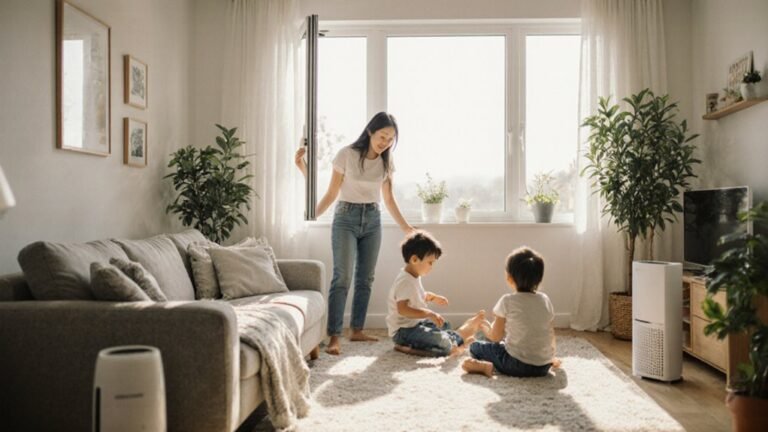
In open layouts, two smaller purifiers can work better than one weak machine. Also, aim for 4 to 6 air changes per hour, so you feel the difference and breathe easier in your own space.
Which Filters Work Best in Small Spaces?
Whenever your apartment feels tight, the best filter is usually the one that matches your space and catches the kind of air mess you’re handling with. For most small homes, a true HEPA filter does the heavy lifting, since it grabs tiny particles from dust, pet dander, and smoke without making you guess. Then, should odors or cooking smells linger, activated carbon adds another layer of comfort.
- Choose HEPA for everyday particle cleanup.
- Add activated carbon whenever smells or fumes bother you.
- Skip ionizers unless ionic concerns worry you, since cleaner air shouldn’t bring new doubts.
That mix helps you feel settled in your own place, and it works well whenever you want quieter air support that fits right in with your routine and your space.
Where Should You Place an Air Purifier in an Apartment?
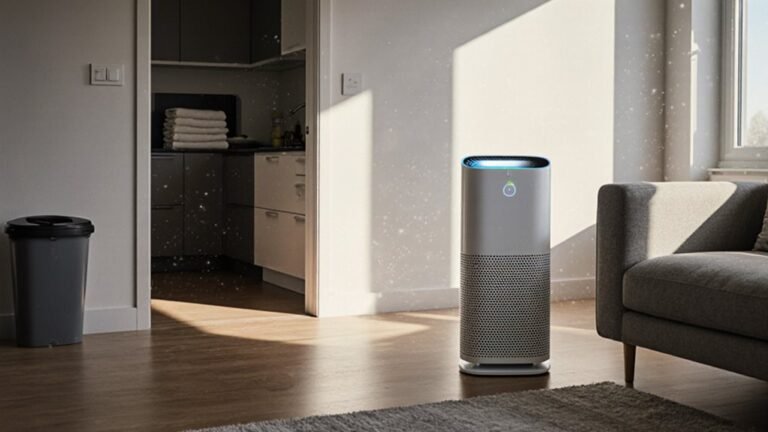
Place your air purifier where it can pull in air freely, like a central spot in the room with a few inches of space around it.
Should you be trying to cut smoke, dust, or pet dander, put it closer to the main source, but keep it out of corners and away from furniture. That way, you’ll help the clean air spread better instead of getting trapped behind a couch like a shy guest.
Optimal Room Placement
Once you want your apartment air purifier to do real work, the best spot is usually where the air moves most and where the problem starts. You’ll get the best results whenever you read the room like a neighbor who knows the building well. Check window positioning, then watch airflow patterns from doors, vents, and fans.
- Put it in an open spot, not a tight corner.
- Keep several inches between the unit and walls or furniture.
- Center it in the room whenever you want broader coverage.
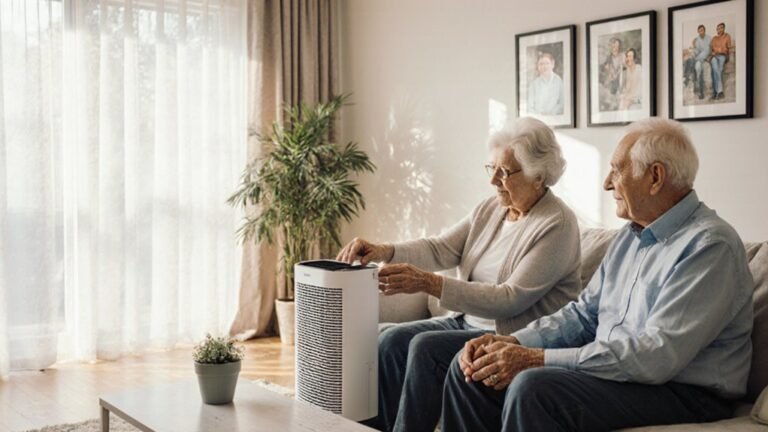
If you sleep with the purifier on, place it near your bed but not right beside your pillow. That way, you share cleaner air without the noise taking over your night. With a little tuning, your space feels calmer, fresher, and more like home.
Near Pollutant Sources
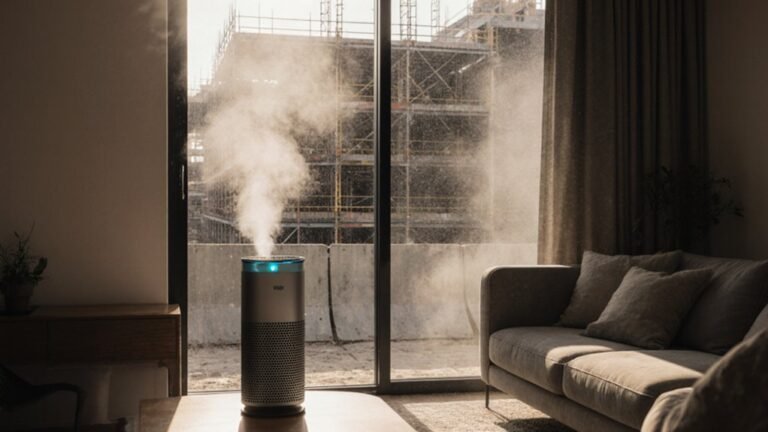
Provided one spot in your apartment gets most of the dust, smoke, or cooking smell, that’s usually where your air purifier should start working.
You get the best source proximity when you set it near the kitchen, litter box, entryway, or smoky window area. This gives you targeted removal, so the purifier catches pollutants before they drift through your home.
Should you cook often, place it where you prep meals and breathe most.
In case pet hair builds up in your bedroom, keep the unit close to that zone.
You’re not trying to chase the smell after it spreads. You’re trying to meet it beforehand, and that helps your space feel fresher, calmer, and more like home.
A nearby purifier can also support your routine without asking much from you.
Avoid Obstructions
Even though your apartment feels cramped, your air purifier still needs a little breathing room. Should you tuck it behind a chair or beside a sofa, you block intake clearance and weaken the clean air it can pull in. Instead, give it open airflow pathways so the unit can move air through the room with less strain. That small gap helps you, your neighbors in the building, and anyone with allergies feel more at ease.
- Leave several inches around each side.
- Keep it away from curtains, shelves, and corners.
- Set it where air can spread freely, like a hallway edge or open wall.
When you respect the space around it, your purifier works harder for your home and feels like part of the team.
What Quiet Features Make Daily Use Easier?
Every time you live with an air purifier every day, quiet features can make the difference between “I should use this” and “I actually will.” A low decibel rating helps the unit fade into the background, so you can sleep, work, or read without that steady fan hum wearing you down.
Look for low noise settings that stay gentle at night, and use whisper mode whenever you want cleaner air without feeling like you live beside a runway. A sleep timer also helps, since you can set it and drift off with less fuss.
Vibration isolation matters too, because it keeps the purifier from rattling on hard floors or shelves. Together, these features help your space feel calm, shared, and easy to live in every day.
How Do You Keep It Running Efficiently?
Keeping your air purifier running efficiently is a lot like keeping a small car in good shape: a little steady care goes a long way.
You’ll feel better whenever it hums along, quietly helping your space stay fresh. Start with these steps:
- Clean the prefilter every few weeks so dust doesn’t choke airflow.
- Check the HEPA and carbon filters on schedule, and use seasonal maintenance to catch changes in pollen or smoke.
- Once you store extras, keep filter storage dry, sealed, and away from sunlight.
Also, give the unit room to breathe, with clear space around the intake and outlet.
Should the fan sound strained or odors return, replace parts sooner. That simple routine helps you and your home stay comfortable together.
Frequently Asked Questions
How Do I Know if My Purifier Is Safe for Pets?
You’re safe when you choose a purifier with verified low ozone emissions, no ionizer or a certified one, and pet safety testing. Keep filters maintained, watch for odors, and use HEPA units.
Can One Purifier Cover an Open-Concept Apartment?
Yes, a single unit can cover an open concept apartment provided its CADR matches your space, but you will hit coverage limits. Use a smart placement strategy, follow airflow patterns, and consider two units for better coverage.
Do Air Purifiers Help With Cooking Odors and VOCS?
Yes, you will notice less cooking odor when you use activated carbon filters, and some units help with VOCs as well. Photocatalytic oxidation can add removal, but you will want verified low emission models for safer, fresher breathing.
How Often Should Filters Be Replaced in Smoky Conditions?
In smoky conditions, check filters every few weeks and replace them sooner if airflow drops or odors linger. Filter lifespan shortens, so follow the maintenance schedule closely and keep your space feeling cared for.
Will My Purifier Work Better With the HVAC Running?
Yes, it often will. Your purifier can work better with the HVAC running because fan interaction moves air around, helping filtration, unless duct leakage wastes it. Keep it central, clear, and running continuously for best results.