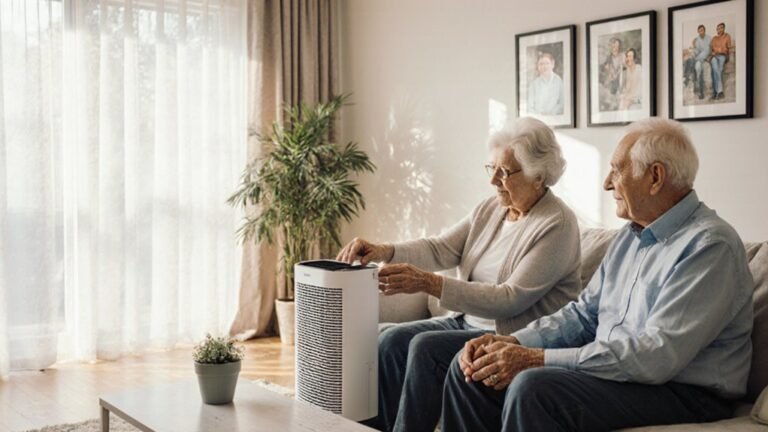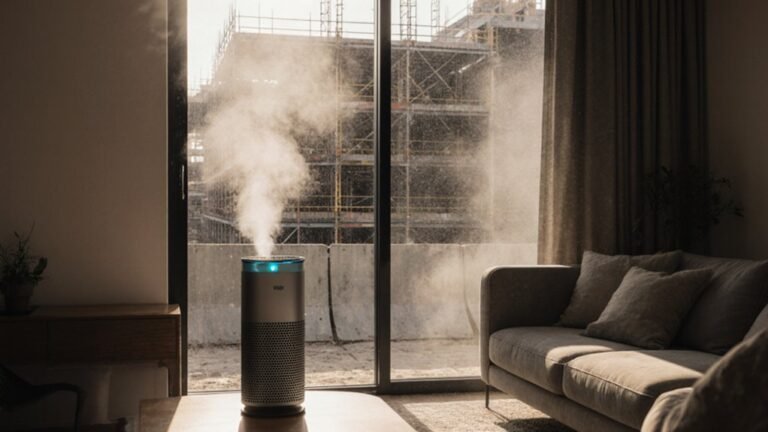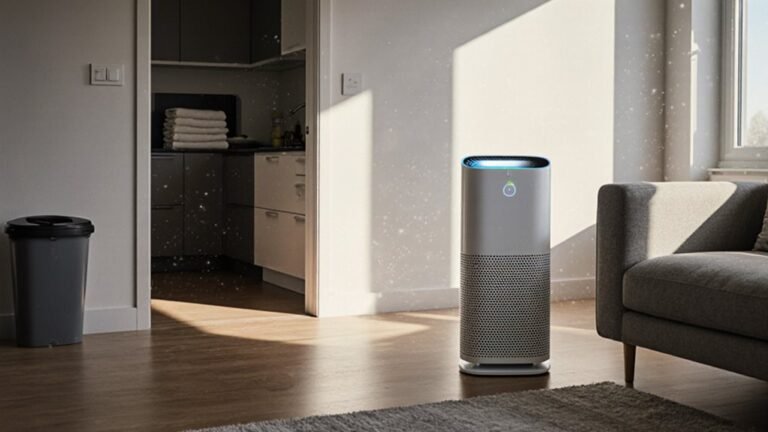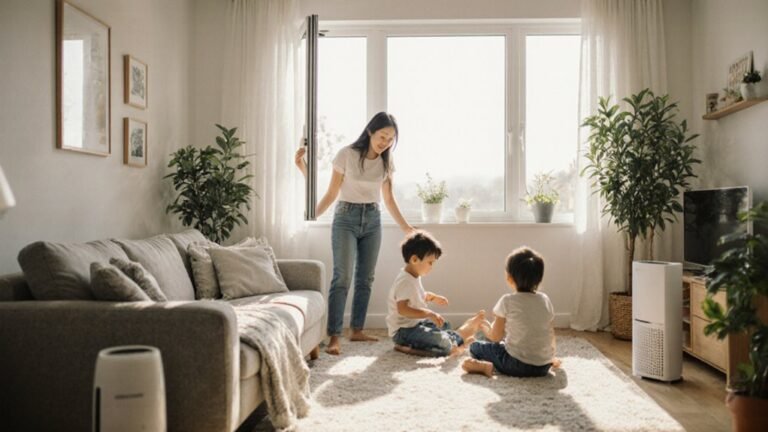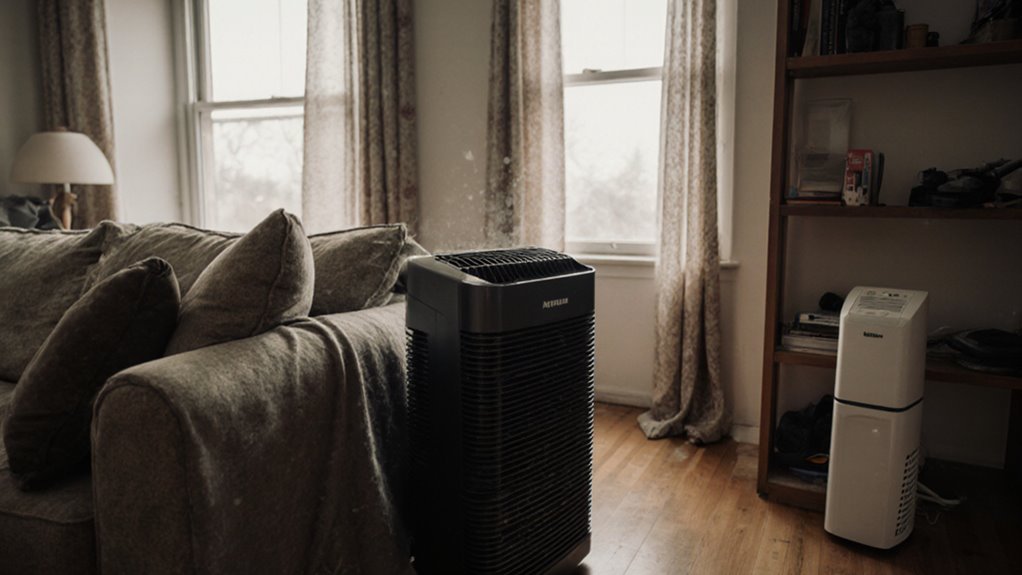

A good air purifier improves indoor air quality, but common setup and usage errors can stop it from working well. Choosing the wrong size forces the unit to work beyond its capacity. Placing the purifier in a corner restricts airflow and reduces cleaning efficiency. Leaving windows open lets outdoor pollutants overwhelm the purifier. Neglecting filter maintenance or inconsistent operation shortens performance and lifespan.
What Is the Right Air Purifier Size?
The right air purifier size can make a huge difference in how clean your room actually feels.
Whenever you choose one, look past floor space alone and consider about ceiling volume, because tall rooms need more cleaning power than squat ones.
You should also weigh occupancy load, since more people add more particles, odors, and breathy little troublemakers.
Should the unit be too small, it struggles, runs harder, and could wear out faster.
A better fit gives you steadier airflow and better coverage, so your space feels fresher and more comfortable.
Then you can breathe easier and feel like your room is truly working alongside you.
That matters whenever you want a home that feels welcoming, calm, and shared by everyone inside.
Match Purifier Size to Room Size
You want your air purifier to fit the room, because a unit that’s too small can’t clean the air well enough.
Check the room’s square footage and compare it with the purifier’s CADR rating so you get the right match.
In case the numbers are off, the purifier might run hard, work less effectively, and leave you questioning why the air still feels stale.
Room Square Footage
A purifier that’s too small for your room can feel like a promise that never quite shows up. To avoid that letdown, check your room square footage before you buy. Measure length and width, then use volume calculations provided your ceiling height goes above 8 feet, because floor space alone can mislead you. You want a unit that can actually move air through the whole room, not just the corner where it sits.
Whenever you match the purifier to the space, you help it work steadily, reduce strain, and fit into your daily routine with less noise and fuss. In case you share the room with pets, guests, or hobbies, choose a little more power so everyone breathes easier together.
CADR Rating Match
Once you know your room size, the next step is matching it to the purifier’s CADR, because that number tells you how much clean air the unit can actually deliver. Should the smoke CADR be too low, your room never gets enough air changes, and you might feel like the purifier is trying its best but losing the race.
Aim for a CADR near two thirds of your room’s square footage, and go bigger whenever ceilings run high. That’s where volume sizing helps you avoid a unit that looks strong but works too hard. A correctly sized purifier runs steadier, captures more particles, and doesn’t wear out as fast. In case you share the room, this match also helps everyone breathe easier together.
Avoid Placing Your Air Purifier in Corners
In case you tuck your air purifier into a corner, you can block the airflow it needs to pull in dirty air and push out clean air.
That tight spot can also create dead zones, so the purifier won’t mix air through the room as well as it should.
You’ll usually get better coverage when you place it a little away from walls, closer to the center of the space.
Corner Airflow Blockage
Tucking your air purifier into a corner could seem neat and out of the way, but it can choke off airflow fast and make the whole unit work harder for less benefit. You might also create edge stagnation, where air just lingers instead of moving through the room.
Even a small shift helps, and angled positioning can open up space around the intake and exhaust. Give your purifier a few feet from walls, curtains, and furniture so it can breathe and push clean air where you gather.
Should you want a calmer, fresher feel, place it where air can spread evenly, not trapped in a tight nook. That simple move helps you obtain more from the machine without extra noise or strain.
Reduced Room Circulation
A corner can quietly steal the power you paid for, and that matters because your purifier needs open space to move air through the room instead of just circling it in place.
Whenever you tuck it into a corner, you slow room-wide mixing, so dust and dander can linger in the far side. You might also miss ceiling stratification, where warm air sits high, and thermal plumes from people or vents lift pollutants upward.
Give the unit a little breathing room, and you help it pull stale air from more of the space. That makes it easier for yourself and your household to enjoy cleaner air together.
Should your room feel patchy, shift the purifier away from wall junctions, and let it work with the room, not against it.
Better Center Placement
As you place your air purifier closer to the center of the room, it can move clean air where you actually live, not just into a quiet corner. With center placement, you help the unit pull in stale air from more sides, which improves airflow mixing and keeps clean air from getting trapped.
In case you tuck it beside a wall or in a corner, you can create weak spots that leave dust and odors hanging around. Instead, give it open space on all sides so it can breathe and work with the room, not against it. Whenever you sit, read, or relax nearby, you’ll notice the difference fast. Better placement helps your purifier feel like part of the room, so everyone gets fresher air and a more comfortable space.
Keep Doors and Windows Closed
Whenever you run an air purifier, keeping doors and windows closed helps it do the job you bought it for.
Should you want cleaner air that feels like it belongs in your home, close windows and seal the room before you switch it on. Open cracks invite new dust, pollen, and smoke, so the purifier keeps chasing fresh pollution instead of clearing the air you already have.
This doesn’t mean you need a stuffy space forever. Use continuous ventilation from your HVAC system when you can, but let the purifier work in a steady, controlled room.
Once you shut out outside air, you give the filter a fair chance to lower particles, calm allergies, and make the room feel more comfortable. That small habit can make your whole space breathe easier.
Don’t Run Your Air Purifier Only Sometimes
Provided that you only run your air purifier now and then, dust, smoke, and other particles can build up again before the next time it turns on.
You’ll get better results whenever you keep it running each day, because steady cleaning helps hold pollutant levels down instead of letting them bounce back.
That simple habit can make your space feel fresher and give you more peace of mind without much extra effort.
Consistent Air Cleaning
Running your air purifier all the time matters more than most people believe, because air in a room changes over the minute, not just once you recall to turn the unit on. With continuous operation, you keep steady filtration going, so you and your household breathe cleaner air more often.
Should you switch it off for long stretches, the unit has to catch up again, and that usually feels like starting over. Instead, let it run on low or auto whenever you’re home, and even while you sleep should the noise feel gentle. That routine helps your space feel more comfortable, more welcoming, and more like everyone belongs there. You’ll also avoid the stop and start cycle that can make the purifier work harder than needed.
Pollutant Build Up
That steady, low hum you get from an air purifier helps much more than it initially seems, because dust, smoke, pet dander, and cooking particles keep building up as the day goes on.
Whenever you switch it on only now and then, you let surface accumulation settle into your rugs, shelves, and bedding. Then those particles slip back into the air, and your room keeps feeding its own mess.
- Concealed reservoirs in fabric and vents can keep releasing grime.
- Short gaps let new particles stack up faster than you can catch them.
- A steady routine helps your purifier stay in step with your home.
You deserve a room that feels calm and welcoming, not one that keeps recycling old irritants. Should you live with pets, cooking smells, or city dust, that nonstop buildup can make your space feel crowded fast.
Daily Run Benefits
Daily use makes your air purifier work the way it was meant to, because indoor air keeps changing all day long. Whenever you let it rest for hours, dust, pet dander, and cooking smells build up again, and you’re back where you started.
With continuous operation, you keep particles lower, so your room feels calmer and easier to breathe in. You don’t have to blast it on high; low or auto mode often gives you steady relief with real energy savings. That balance helps your purifier last longer, too.
In case you share your space with family, guests, or pets, running it daily helps everyone enjoy cleaner air together. It’s a small habit, but it makes your home feel more comfortable, more welcoming, and more like yours.
Use the Right Fan Speed for the Room
Often, the best fan speed isn’t the loudest one, it’s the one that matches your room and your goal. You don’t need to blast it just to feel progress. Pick a lower setting for steady cleaning in a small bedroom, and move up whenever you want faster turnover in a bigger habitable area.
That balance helps you stay comfortable while keeping fan noise down and energy consumption in check.
- Use low or auto whenever you want quiet, all-day support.
- Use medium whenever the room feels busy or the air seems stale.
- Use high for a short surge after cooking, cleaning, or guests.
If you’re unsure, listen to your space. A good setting should help you relax, not make you feel like you’re sharing the room with a tiny jet.
Stop Blocking the Air Intake or Outlet
Provided that you’ve already found a fan speed that feels right, keep going and check the space around it too, because even a strong purifier can lose power whenever something gets in the way.
You want clear placement proximity, not a tight corner where airflow obstruction can trap stale air. Keep furniture, curtains, and laundry baskets away from the intake and outlet, so the unit can pull air in and push clean air back out.
Should you tuck it behind a chair or under a desk, you might block the path your room needs. Give it a little breathing room on every side, and aim the outlet toward open space. That simple habit helps your purifier work with you, rather than against your room.
Replace Air Filters on Time
A filter that looks fine can still be doing a poor job, so replacing it on time really matters. Whenever you keep up with filter lifespan, you help your purifier stay strong for the room you share with family, pets, or roommates. Set replacement alerts on your phone, and check the manual for the right schedule. A clogged filter can strain the unit, raise noise, and hurt comfort. Also, old filters can mess with airflow and even affect warranty impact in case you ignore care steps.
- Inspect the filter monthly for dust buildup.
- Replace sooner whenever you cook, smoke, or have pets.
- Check for neglected seals whenever you install a new one.
That small habit keeps your space fresher, and it helps everyone breathe easier together.
Don’t Ignore the Pre-Filter
Behind the main filter, the pre-filter works like the purifier’s initial line of defense, and you really don’t want to skip it.
You catch bigger bits initially, so the main filter can keep doing its job for your home and your crew.
Check it often, because pet hair, lint, and dust can pile up fast.
Whenever you see filter indicators change, clean or replace the pre-filter right away.
That small step helps airflow stay strong and keeps the whole unit from working too hard.
Follow the replacement schedule in your manual, since different models need different care.
Should your pre-filter be washable, let it dry fully before you put it back.
You’ll save the main filter, keep the air moving, and make your space feel easier to breathe in together.
Avoid Skipping Regular Dusting
Dust settles fast, and should you skip regular dusting, your air purifier has to work much harder than it should. Whenever you keep up with surface dusting, you help the machine catch the fine stuff instead of fighting every crumb on shelves, vents, and tables. That makes your home feel calmer and easier to breathe in.
- Wipe hard surfaces with a damp cloth to trap dust, not send it back into the air.
- Pay extra attention to fans, baseboards, and window sills where dust likes to gather.
- Pair fabric maintenance with washing throws and vacuuming upholstery so fibers don’t keep releasing dust.
A clean room also lets you feel more in control, and that matters whenever you want your space to feel like it truly belongs to you.
Don’t Expect One Unit to Clean Every Room
One air purifier can do a lot, but it can’t cover every room just because you wish it would. You need to match the unit to the space it serves, or you’ll leave some rooms feeling ignored and dusty.
Should you keep doors open, air can drift away before the purifier has time to help. That’s why one well-placed unit in a main room often works better than hoping it will chase pollution through the whole home.
For bigger homes, mobile units can move with you from bedroom to inhabited area, so you get support where you need it most. Consider it like sharing the load with your rooms, not asking one machine to be everywhere at once.
Watch Out for Ozone Emissions
Should you want cleaner air, you could assume that any purifier helps, but ozone is where things get tricky.
You’re not alone when you feel confused, because ozone chemistry can sound technical fast.
Some devices, especially ionizers, can raise indoor ozone instead of lowering it, and that can affect your breathing and comfort.
Watch for health effects like throat irritation, chest tightness, or headaches, especially when you notice them soon after the unit runs.
- Check for products that meet regulatory limits for ozone output.
- Read labels for ozone-free claims, but verify them.
- Skip units that promise a fresh smell; scent can hide trouble.
When you protect your space from indoor ozone, you help your household breathe easier together.
Choose the Right Air Purifier
Choosing the right air purifier can feel like a lot initially, but you can make it simple through focusing on what your room actually needs.
Start with room volume, not just floor space, because tall ceilings change the air you must clean.
Next, check the CADR rating and match it to your room so the purifier can keep up without straining.
Then look at filter selection. A true HEPA filter handles dust, pollen, and pet dander, while activated carbon helps with odors and gases.
Also, consider your daily routine. Should you share the space with family or pets, you might want a quieter model that still runs strong.
Whenever you choose well, you join a healthier, calmer home that feels easier to breathe in together.
Frequently Asked Questions
How Do I Know if My Purifier Removes Odors and VOCS?
You will know your purifier tackles odors and VOCs if it has enough activated carbon not just HEPA. Check third party VOC testing, watch odor reduction, and verify sensor calibration so you are not relying on misleading lights alone.
Can I Wash or Vacuum a HEPA Filter Safely?
No, you should not wash or vacuum a true HEPA filter; that’s a washable myth. You will damage the fibers and shorten the filter’s lifespan. Replace it instead to keep your air purifier working effectively for you.
Should I Use One Purifier or Multiple Smaller Units?
You’ll usually do better with one correctly sized purifier. Multiple units can help with room zoning or odd layouts. Use the setup that covers your space evenly, matches your needs, and feels right for your home.
Do Air Purifiers Kill Viruses or Just Reduce Airborne Particles?
They do not kill viruses; they mainly remove airborne particles to reduce viral load. Some purifiers use an electrostatic effect to capture more aerosols, but you will still need ventilation, distancing, and cleaning for better protection.
Why Is My Purifier Still Underperforming After Replacing the Filter?
Your purifier may still underperform because dirty sensors can misread air quality and incorrect placement blocks airflow. You may need more clearance, a unit sized appropriately for the room, and continuous operation so it can actually move enough air.