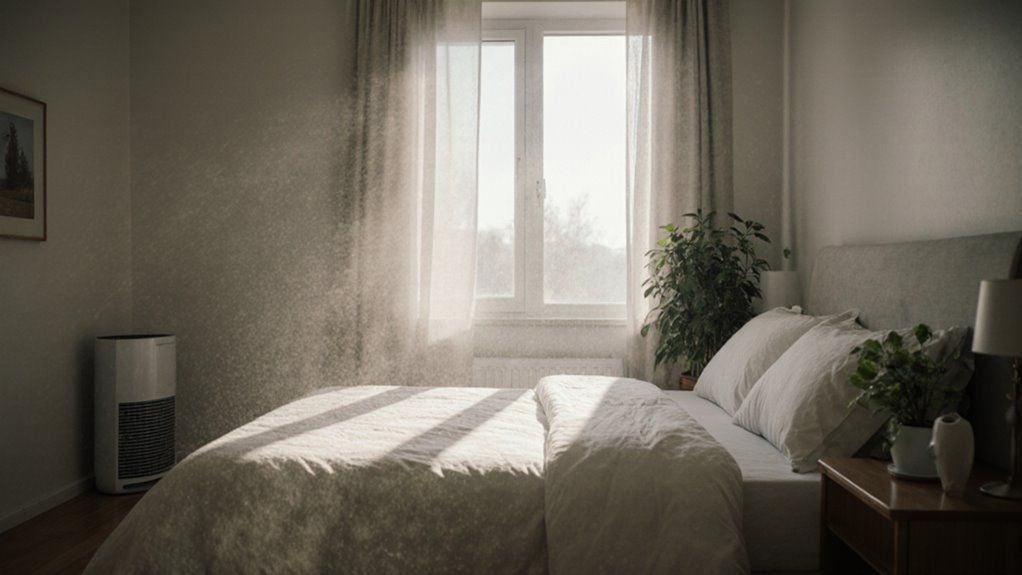

Bedroom air quality affects sleep, morning alertness, and nighttime breathing. Dust, pet dander, and stale air can trigger congestion and restless nights. High humidity encourages mold and dust mites, while poor airflow concentrates pollutants. Simple habits—ventilation, regular cleaning, and humidity control—reduce irritants. Small changes at bedtime often lead to noticeably better sleep and clearer mornings.
What Bedroom Air Quality Actually Means
Clarity starts in the air you breathe, even while you sleep. Bedroom air quality means the mix of particles, gases, and moisture around your bed. You notice it through indoor chemistry, which shapes how clean, calm, or stuffy the room feels. It also affects odor perception, so a room can seem fresh or closed in long before you spot a problem.
Dust, pet dander, cleaning fumes, and stale air all change that mix. Whenever you share a bedroom, you share the air too, so small choices matter. Opening a window, using a fan, or keeping clutter low can help your space feel lighter. Whenever the air feels better, your room feels more like yours, and that sense of comfort matters.
Why Bedroom Air Quality Affects Sleep
Whenever your bedroom air stays stale, your sleep often pays the price. You might notice more tossing, lighter rest, and morning grogginess.
Whenever air feels heavy, your body works harder to stay settled, and that can trigger circadian disruptions that push sleep off track. Even small changes in temperature, moisture, and airflow can make it harder for you to drift into deep, steady sleep.
Your nose can also react fast. Should you have olfactory sensitivity, slight odors could wake you or keep you alert without you realizing it. That’s why cleaner, moving air matters so much at night. It helps you breathe easier, stay calmer, and wake up feeling like you belong in your own bed, not stuck in a restless loop.
Common Bedroom Pollutants You Breathe In
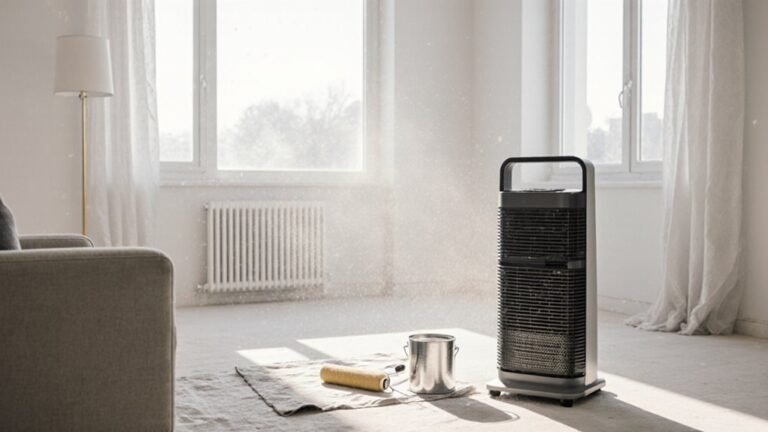
You mightn’t see them, but several common pollutants could sneak into your bedroom air and linger while you sleep. Fine particles from outside traffic, smoke, candles, and cooking can drift in and mix with indoor air. VOCs from paint, cleaners, and scented products can also build up, especially whenever windows stay shut. Even your own breathing adds carbon dioxide, which can rise fast in a closed room and leave you feeling groggy. Pet dander, mold spores, and tiny bits of skin can ride along too, making the air feel stale. Should you use houseplants, bear in mind their houseplants impacts are usually small compared with ventilation. When these pollutants stack up, you might wake up less rested and less clear-headed, but better airflow can help you feel more at ease.
Why Dust and Allergens Build Up at Night
Dust and allergens tend to build up at night because your bedroom turns into a still, closed-in space for hours at a time. You breathe, move, and shed tiny bits of skin and fabric, and occupant shedding keeps feeding the dust load.
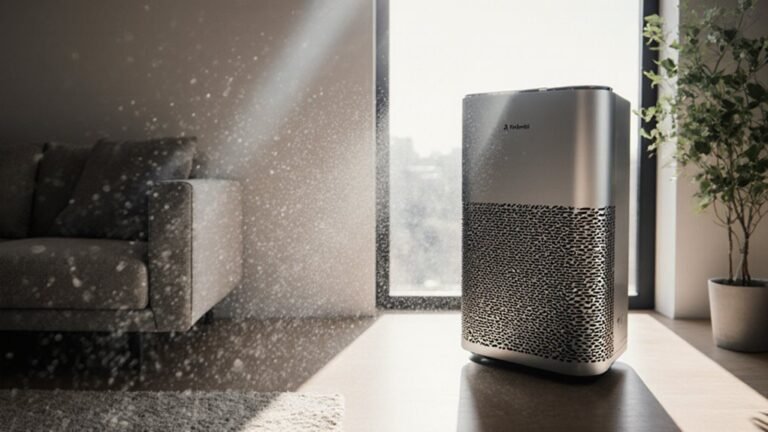
Whenever you roll over, make the bed, or shift blankets, you stir particles back into the air through nighttime resuspension. Since doors and windows often stay shut, those specks don’t leave easily, so they settle on sheets, pillows, and floors.
That buildup can make your room feel less fresh and leave you waking up stuffy or itchy. Should you sleep with pets or keep clutter nearby, the problem grows faster.
A cleaner sleep space helps you feel like you belong in your own room, every night.
How Humidity Changes Bedroom Comfort
Feeling the air change in your bedroom can change how your body settles, because humidity affects both comfort and sleep quality in quiet but powerful ways. If the air feels too dry, your skin and throat could feel tight, and your Thermal perception can shift, making the room seem cooler than it is.
Whenever it’s too damp, you can feel sticky and restless. You fit better with air that stays balanced.
- Aim for a steady middle range.
- Use ventilation or a dehumidifier whenever moisture builds.
- Keep damp spots low, since Mold growth prefers wet corners.
That balance helps you feel at ease, breathe more smoothly, and share the night with a room that feels calm and familiar. Small changes can help you sleep like you belong there.
Signs Your Bedroom Air Needs Attention
Whenever your bedroom air starts to feel off, your body often notices before your mind does. You could wake with a dry throat, stuffy nose, or heavy eyes, and light sleeping can make those small changes feel bigger.
In case you keep tossing, waking up itchy, or feeling foggy upon breakfast, that’s a clue your space needs attention. Watch for odor indicators too, like stale, musty, smoky, or sweet smells that linger after you open the door.
You might also notice more sneezing, coughing, or headaches that show up mostly at night. These signs don’t mean you’ve done anything wrong. They simply tell you your room isn’t helping you rest the way it should, and you deserve a sleep space that feels calm, fresh, and welcoming.
Why Ventilation Matters in Sleeping Spaces
Because your bedroom is the place where your body should recover, fresh air matters more than most people realize. Whenever you breathe stale air all night, your bedroom microclimate can feel heavy and cramped. Sleep centric ventilation helps you keep that space calm, steady, and shared by everyone who wants better rest.
- It moves out trapped heat and moisture.
- It lowers stuffiness that can break your sleep rhythm.
- It helps your room feel more welcoming by morning.
You don’t need a fancy setup to notice the difference. A small, steady airflow can make your space feel less like a closed box and more like a place where you belong.
Once your room gets fresh air, your body relaxes faster, and your night feels easier from the start.
How Bedroom Air Quality Affects Breathing
Your bedroom air can shape how easily you breathe through the night, and that matters more than many people realize.
Whenever dust, smoke, or tiny particles build up, they can trigger airway inflammation, so your chest might feel tight and your breathing can get shallow.
You might also breathe faster to keep up, which raises your minute ventilation and can make sleep feel less restful.
In case the air feels stale, your body works harder while you’re trying to relax.
Then your throat could feel dry, your nose could clog, and you might wake up feeling worn out.
Clean, balanced air helps your lungs settle, so you can rest with less effort and feel more at home in your own room, night after night.
7 Simple Ways to Improve Bedroom Air Quality
You can make your bedroom feel fresher by starting with the dust you see every day and the air you breathe all night.
Whenever you cut dust buildup and bring in more fresh air, you lower the stuff that can stir up allergies and leave you feeling groggy.
Small changes like opening a window at the right time, cleaning soft surfaces, and letting air move through the room can make a real difference quickly.
Reduce Dust Buildup
Dust builds up fast in a bedroom, and it does more than look messy. It can irritate your nose, cling to fabrics, and make your space feel less calm. You don’t need a perfect room to breathe easier. You just need steady habits that fit your life.
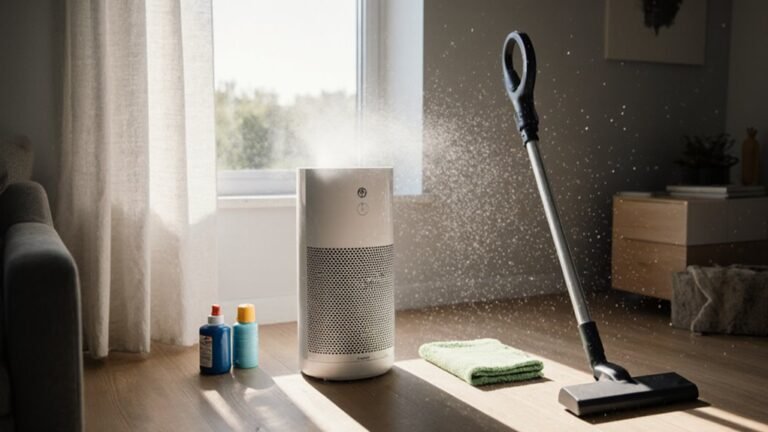
- Wipe shelves, headboards, and windowsills with microfiber maintenance cloths, because they grab dust instead of moving it around.
- Wash bedding often, since sheets and pillowcases trap flakes and lint.
- Use anti static sprays on hard surfaces so dust won’t settle as quickly.
When you stay on top of dust, you protect the cozy feeling that makes your room feel like yours. Small steps add up, and that’s enough to help you sleep more comfortably tonight.
Improve Ventilation Naturally
Opening a window, even for a little while, can change the whole feel of a bedroom. You let stale air drift out, and fresh air move in. Should your room has doors on both sides, use stack ventilation by opening them to help warm air rise and escape.
At night, try night flushing whenever outdoor air feels clean and cool. This can lower stuffiness before sleep. You can also crack the window after shower time or prior to bed to clear extra moisture.
In case noise or pollen bothers you, keep the opening small and pair it with a quiet fan. Small habits like these help you breathe easier, sleep more deeply, and wake up feeling like you belong in your own room.
Choosing the Best Air Purifier for Bedrooms
As you pick an air purifier for your bedroom, start with noise because a loud unit can interrupt the sleep you’re trying to protect.
Then look for a HEPA filter that fits your room size, since the right coverage helps it clean the air without running harder than it should.
A good match can make bedtime feel calmer, cleaner, and a lot less stuffy.
Noise Levels for Sleep
Should you’re shopping for a bedroom air purifier, noise matters as much as clean air, because a unit that hums, rattles, or blasts on high can wreck your sleep fast. You need a model that fits your room and your nerves.
- Pick a low decibel setting for bedtime.
- Check for sound masking, so gentle white noise can blend with urban noise instead of fighting it.
- Notice ventilation noise and airflow hum, because both can feel louder whenever your room gets still.
You’ll sleep better whenever the purifier feels like part of the background, not the star of the show. Try it on low before bed, then listen from your pillow. Should it still pulls your attention, it’s too loud for your space. Choose comfort, and you’ll feel like your room finally gets you.
Filter Types and Coverage
A quiet purifier helps you sleep, but the filter does the real work, so now it’s time to look at what’s inside the machine and how much of your room it can actually handle.
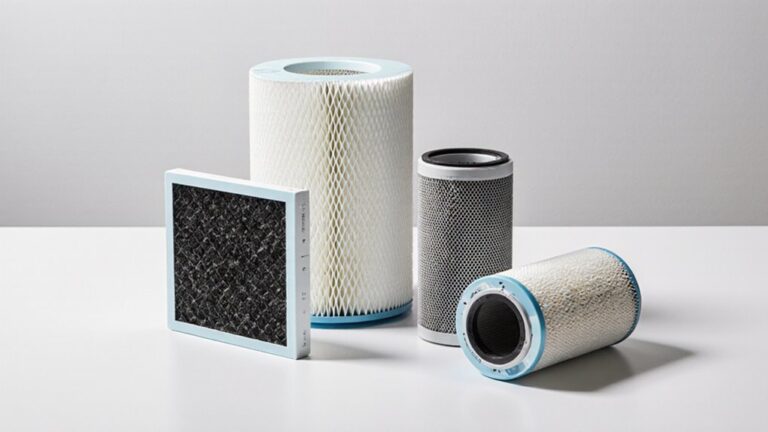
You want true HEPA, because it traps tiny PM2.5 particles that can stir up your lungs and break your sleep. Check HEPA placement too, since air must pass through it, not around it.
Then match the purifier’s CADR matching to your bedroom size so it cleans the air often enough. A small unit in a big room leaves you breathing what others missed.
In the event you share space with pets or dust, choose a model with a washable prefilter as well. That extra layer catches the bigger bits, so your HEPA filter lasts longer and your room feels fresher.
Bedding Habits That Reduce Airborne Irritants
You can make your bedding work for you, not against you, through keeping it clean and simple. Whenever you do a linen rotation, you give dust less time to settle in and feel at home.
Try these habits:
- Wash sheets weekly in hot water.
- Use pillow encasements to trap dander and mites.
- Skip heavy fabric sprays that can add scents and irritants.
If you love weighted blankets, choose a washable cover and clean it often. Also, shake bedding outside before you remake the bed, so you don’t stir up particles indoors.
Small choices like these help you feel like you belong in a calm, fresh space. And whenever your bed stays easier to breathe around, your whole room feels kinder too.
How Bedroom Air Quality Affects Morning Energy
Clean bedding helps your room feel calmer, but the air you sleep in shapes how you feel upon waking up. Whenever bedroom air holds too much CO2 or fine dust, you could wake with sleep inertia, that heavy, foggy feeling that slows your initial hour. Poor air can also disrupt sleep depth, so you lose the steady rest that helps you feel refreshed.
Should you go to bed at one body rhythm and wake in another, circadian misalignment can make mornings feel even harder. You may notice a dry throat, stuffed nose, or a dull head before breakfast.
Because of that, clean air matters for your group, your home, and your daily pace. Better airflow and less indoor pollution help you rise clearer, breathe easier, and feel ready to join the day.
Habits That Keep Bedroom Air Clean Long-Term
Set these habits promptly, and your bedroom will stay easier to breathe in night after night. You don’t need perfection; you just need a few steady moves that fit your life.
- Wash sheets weekly and vacuum slowly, so dust and skin flakes don’t build up.
- Keep windows, vents, and filters on a seasonal maintenance schedule, because stale air likes to linger.
- Choose smart plant selection, since a healthy plant can add comfort without crowding your room.
Also, avoid smoking, candles, and incense near your bed. Should you have pets, brush them often and keep bedding off the floor.
A small purifier can help on busy weeks, too. Whenever you care for the room the same way you care for your favorite people, you create a calmer space that welcomes you back.
Frequently Asked Questions
How Low Should Bedroom CO2 Stay for Optimal Sleep?
Aim for below 800 to 1,000 ppm for prime sleep—why settle for stale air? The best CO2 thresholds study suggests you’ll sleep better, breathe easier, and wake clearer whenever you keep bedroom levels low.
Can Poor Bedroom Air Reduce Next-Day Cognitive Performance?
Yes, poor bedroom air can leave you cognitively fatigued and blunt memory consolidation, so you will likely feel slower, forget more, and feel less sharp the next day. Fresh air helps you wake ready and connected.
Do HEPA Filters Improve Sleep Quality in Real Homes?
Yes, HEPA filters can improve your sleep quality in real homes by lowering PM2.5, which may support healthier sleep structure. You will often breathe easier, wake less often, and feel more rested with cleaner air.
Which Bedroom Pollutants Most Affect Deep Slow-Wave Sleep?
It’s mostly fine particles, especially PM2.5 and ultrafine particles, plus volatile organics and high CO2 that reduce your deep slow wave sleep. As they say, a clean room means a clear mind, and you’ll sleep better.
When Should Bedrooms Use Mechanical Ventilation Instead of Open Windows?
Use mechanical ventilation whenever open windows would bring in noise intrusion, outdoor pollution, or insecurity, or whenever your bedroom has sealed envelopes and cannot hold fresh air. You will sleep better with steadier CO2 levels and filtration.