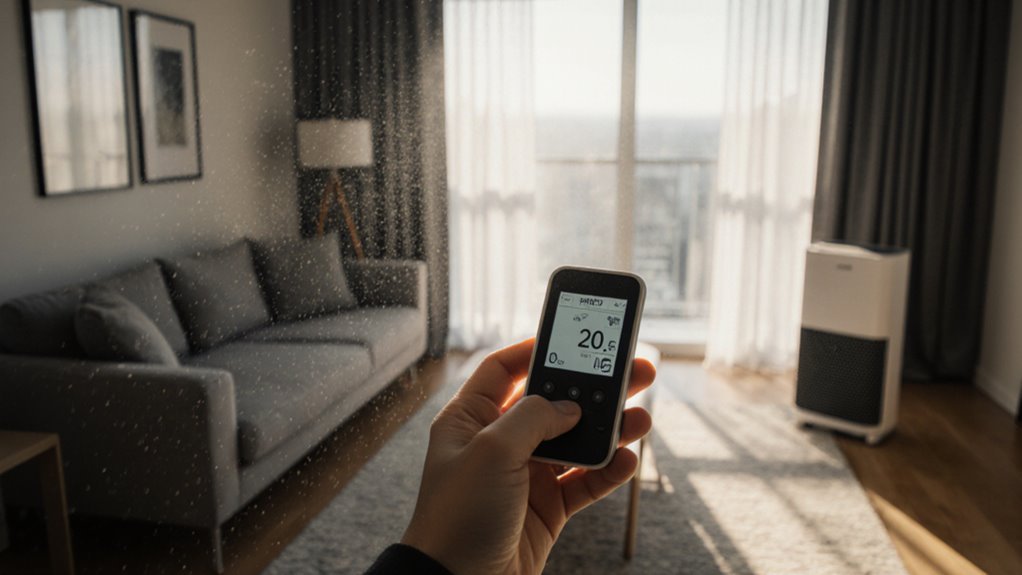

PM2.5 are tiny airborne particles smaller than 2.5 micrometers that affect indoor air quality. These particles penetrate deep into lungs and can enter the bloodstream, adding strain to the heart and lungs. Common sources include cooking, candles, smoking, cleaning sprays, and wildfire smoke that drifts indoors. Homes can feel dusty or heavy after these activities because PM2.5 lingers and accumulates on surfaces. Reducing indoor PM2.5 improves comfort and lowers risks to respiratory and cardiovascular health.
What PM2.5 Is and Why It Matters
Even though PM2.5 sounds technical, it simply means tiny air particles that are 2.5 micrometers wide or smaller, and that size is the reason they matter so much. You can’t see them well, but they can slip deep into your lungs and even reach your blood.
That’s why PM2.5 isn’t just a science term; it’s a real part of how you breathe and feel each day. Whenever you face long term exposure, your body carries more stress, and your cardiovascular risk can rise.
These particles also vary in makeup, so one day’s air might affect you differently than another’s. Still, you’re not alone in this. Once you understand PM2.5, you could make smarter choices and protect the space where you live and belong.
Where Indoor PM2.5 Comes From
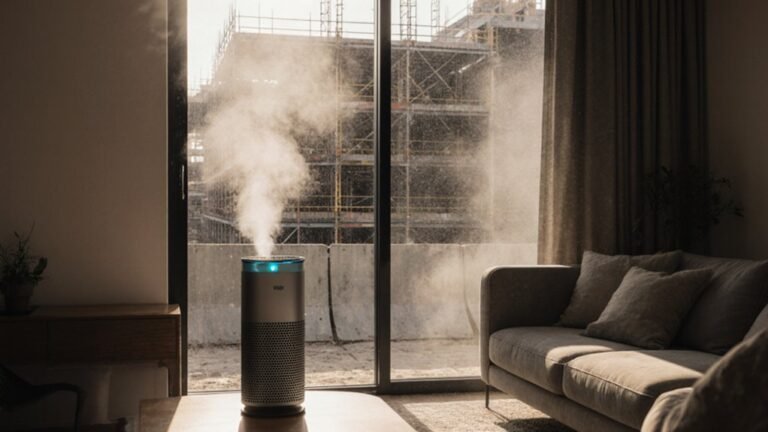
Indoor PM2.5 can slip in from outside through cracks, vents, and open windows, so even clean-looking rooms can still hold fine particles.
You also add a lot of it yourself whenever you cook, heat your home, or burn candles, wood, or fuel.
On top of that, some household products and cleaning sprays can release tiny particles that linger in the air longer than you’d expect.
Outdoor Air Infiltration
Once outdoor air finds its way inside, it can quickly become a major source of PM2.5 in your home. Whenever your building envelope has tiny gaps, or pressure differentials pull air through openings, outside particles ride along with it. You don’t have to feel helpless here; you and your space can work together.
- Cracks around windows and doors let polluted air slip in.
- Open vents can bring in traffic smoke, dust, and wildfire haze.
- Fans and exhaust systems can change airflow and draw outdoor air inside.
- A tighter building envelope, paired with filtered ventilation, helps cut that leak path.
Cooking And Heating
Cooking and heating can fill your home with tiny PM2.5 particles faster than you could expect, especially as a burner runs hot or a flame gets a little smoky. Once you fry, sear, or broil, you breathe more of those particles should the air can’t move them out. That’s why good ventilation matters, and why turning on a range hood sooner can help your space feel calmer and cleaner.
Assuming you cook often, induction cooking can lower smoke and soot because it heats the pan, not the air around it. For warmth, pellet stoves could burn more steadily than open wood fires, but they still need proper venting and upkeep. You deserve a home that feels safe and welcoming, so these choices can help you protect the air your family shares every day.
Household Product Emissions
Your home can still collect PM2.5 even though you keep the stove off, because many common household products release tiny particles into the air. You’re not doing anything wrong, and you’re not alone.
- Air fresheners can send fragrance emissions into your rooms.
- Sprays, cleaners, and polishes can add fine particles during use.
- Scented candles and plug-ins can leave lingering PM2.5 behind.
- Some product labeling hides vague words like “natural” or “fresh,” so read closely.
Whenever you wipe, spray, or scent a space, you can breathe in more than you expect.
That’s why it helps to choose simpler products, use less, and open windows only if outdoor air is clean. With small changes, you can make your place feel safer and more welcoming for everyone inside.
Why PM2.5 Builds Up Indoors
PM2.5 can build up indoors faster than many people expect because tiny particles slip through the cracks, ride in on air from outside, and keep coming from things you do every day.
Whenever you cook, light candles, or clean, you add more particles to the mix. Then seasonal accumulation can trap them, especially whenever windows stay closed and air changes slowly.
Your home might also release material off gassing from furniture, paint, and new flooring, which adds more fine particles and gases that can turn into particles.
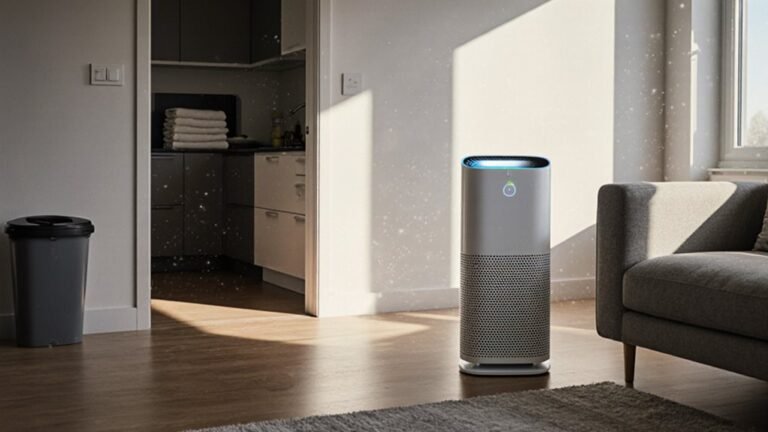
Even dust can stir back up whenever you walk across a room or move chairs. So, should your space feel busy and sealed, PM2.5 can linger, spread, and settle again before you notice it.
How PM2.5 Affects Your Health
Upon fine particles inhaling into your lungs, they don’t just stay there. They slip deep inside, trigger stress, and can move into your blood. That means your body works harder, even if you can’t feel it right away.
- Your airways might swell, so you cough more and breathe less easily.
- Your heart can face cardiovascular impacts, because tiny particles push inflammation and strain circulation.
- Long-term exposure could raise your risk of asthma flare-ups, lung irritation, and tired, heavy breathing.
- With prenatal exposure, these particles can cross into a developing body and affect healthy growth.
You’re not alone in this. Many people live with the same concealed load indoors. Small changes, like cleaner air and better filtration, can help you protect the space you share with others.
Who Faces the Highest PM2.5 Risk
Some people carry a heavier PM2.5 burden than others, and that can make indoor air feel like a harder battle than it should.
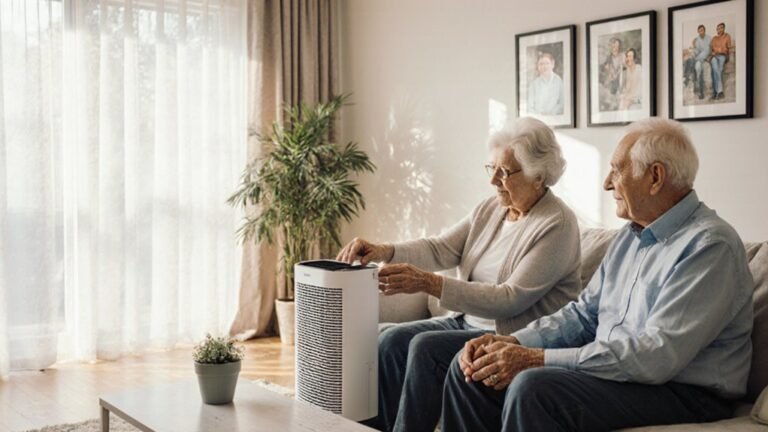
You might face more risk in case you’re an older adult, because elderly susceptibility means your lungs and heart can handle less stress.
You could also be more exposed when you live with asthma, heart disease, or other health issues that make tiny particles hit harder.
Children and pregnant people also need extra care, since their bodies are still changing.
Then there are socioeconomic disparities, which can leave you in homes with weaker filtration, crowded spaces, or more smoke from nearby traffic and industry.
Should that’s your reality, you’re not alone. Your risk isn’t a personal failure. It’s a shared challenge, and you deserve cleaner air.
How to Tell if PM2.5 Is in Your Home
Usually, the easiest way to tell whether PM2.5 is in your home is to watch for clues you can see, smell, and measure. Assuming your eyes sting, your throat feels dry, or a smoky haze lingers after cooking, that’s a hint. Then compare what you feel with what a monitor shows.
- Check occupant perception during busy times, like frying or vacuuming.
- Notice dust, soot, or haze near windows and vents.
- Place a sensor where you spend time, not beside a stove or open window, so sensor placement gives a fair reading.
- Watch for spikes that match outdoor traffic, wildfire smoke, or indoor burning.
When these signs line up, you’re not imagining it. You’re spotting PM2.5 patterns that help you feel safer and more at home together.
Practical Ways to Reduce PM2.5 Indoors
Now that you can spot PM2.5 clues at home, the next step is to cut those particles down before they build up in your air.
You can start with source control. Turn on the kitchen fan whenever you cook, and keep lids on pans whenever you can. Skip smoking, candles, and smoky fireplaces indoors. Then tighten up your space by sealing drafty gaps and using seasonal strategies, like closing windows during wildfire smoke or heavy traffic days.
Next, keep floors, shelves, and vents clean so dust doesn’t get stirred up.
For portable maintenance, wash or replace filters on fans and vents as directed, and move them where your family spends the most time.
Small moves like these help you breathe easier together, and that feels good.
How Air Purifiers Help With PM2.5
An air purifier can help you cut PM2.5 in your home by pulling tiny particles out of the air before you breathe them in.
HEPA filters are especially helpful because they trap fine particles that are small enough to get deep into your lungs.
If you place the purifier in the right room and run it often, you can lower those stubborn particles and make the air feel easier to breathe.
Capturing Fine Particles
Because PM2.5 particles are so tiny, they can slip past your nose and throat and settle deep in your lungs, which is why air purifiers matter so much for indoor air. You don’t have to face them alone; the right purifier helps your space feel safer and more comfortable.
- It pulls air through a fan, so fine particles keep moving toward the filter.
- It uses electrostatic capture, and some systems use electrostatic precipitators to charge particles.
- It traps what you can’t see, including smoke, dust, and cooking haze.
- It works best whenever you match the unit to your room and keep doors closed.
Some homes also pair a green wall or biofiltration with cleaning devices, but those add support, not replacement. Whenever you choose wisely, you help your whole indoor crew breathe easier together.
HEPA Filter Benefits
At the time you use a HEPA air purifier, it can make a real difference against PM2.5 via pulling tiny particles out of the air before you breathe them in. You get cleaner indoor air, and that can ease worry during cooking, wildfire smoke, or dusty days. Because PM2.5 can slip deep into your lungs, this extra layer matters. HEPA units trap very fine particles that regular fans miss, so you can feel more at home in your own space.
Still, you should consider about filter maintenance, since a clogged filter works less well. Also, noise tradeoffs matter, because a stronger setting might hum a bit more. Even so, numerous people find the steady protection worth it. Whenever you pick a size that fits your room, you give yourself and your household a calmer, safer air setup.
Ventilation Tips for Lower PM2.5
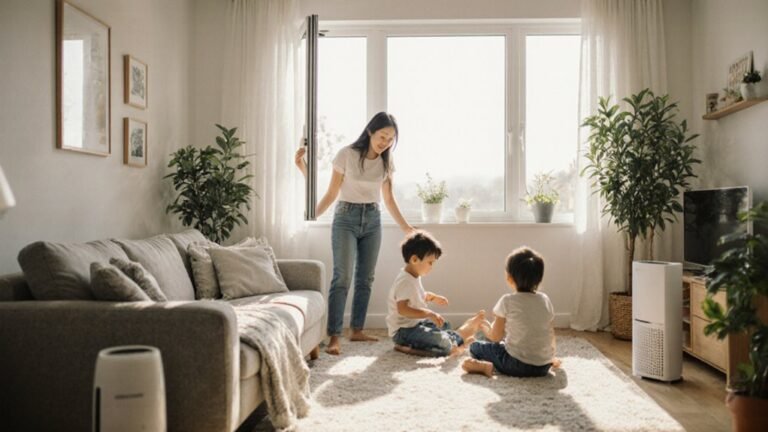
Open the windows with care, because the way you air out your home can make a big difference in PM2.5 levels. You don’t have to guess your next step; you can use window timing and airflow balancing to help your rooms feel fresher without inviting in extra dust.
Try this:
- Open windows whenever outdoor air is cleaner.
- Create a cross-breeze for a short time.
- Close windows during smoky or busy traffic hours.
- Pair brief airing with a HEPA filter.
That mix helps you protect your space and still feel part of a home that breathes well. In case the air outside looks hazy, trust your gut and keep things closed. Small choices like these can make you feel more settled, supported, and in control.
Safer Cooking Habits for Cleaner Air
Whenever you cook, turn on your range hood or open a window provided outdoor air is clean, so smoke doesn’t build up fast.
You can also choose low-smoke methods like baking, steaming, or simmering instead of frying whenever you want cleaner indoor air.
Small swaps like these can make your kitchen feel easier to breathe in, and that’s a relief after a busy meal.
Ventilate While Cooking
Cooking often fills your home with heat, smells, and tiny particles that can hang in the air longer than you’d expect, so good ventilation matters more than many people realize. You don’t have to fight it alone; you can make the air kinder for everyone in the kitchen. Try this:
- Turn on the fan before you start cooking.
- Use window timing to open windows at times outdoor air is cleaner.
- Keep pans covered when you can.
- Stay on top of range hood maintenance so it pulls air well.
Whenever you combine a working hood with smart window timing, you help PM2.5 leave the room faster. That means you and your family can breathe easier, stay comfortable, and keep the kitchen feeling like a shared, welcoming place.
Choose Low-Smoke Methods
Even with a good fan running, the way you cook can still decide how much smoke and fine dust stays in your home. Whenever you choose gentle heat, you help everyone breathe easier and feel more comfortable at the table.
| Low-smoke choice | Why it helps |
|---|---|
| Steam, bake, or poach | Cuts greasy smoke and tiny particles |
| Use ceramic cookware | Heats evenly and can reduce sticking |
| Try smoke free grilling | Keeps outdoor flavor with less indoor haze |
You can also preheat less, use lids, and wipe pans before they char. Should you love shared meals, these small swaps make the kitchen feel calmer and more welcoming. Even better, they support kids, older adults, and anyone with sensitive lungs. That way, you keep the good smells and leave the sting behind.
Everyday PM2.5 Sources to Watch For
Daily life can fill your indoor air with tiny particles faster than you might believe, and PM2.5 often comes from the very routines that feel harmless. You’re not alone in this, and small habits can bring company you didn’t invite. Watch for these common sources:
- Frying, broiling, and toast that turns too dark.
- Candles, incense, and smoking near doors or windows.
- Dust stirred up through walking, pet care, or moving blankets.
- Outdoor air slipping in during traffic, fire, or pollen spikes.
Your home also matters insofar as you choose plant selection, because crowded corners can hold dust and make rooms feel heavier. So, whenever you notice a sour smell, haze, or gritty surfaces, you’re seeing clues that PM2.5 is building up around you and your people.
Daily Steps to Keep PM2.5 Down
Now that you can spot the biggest PM2.5 troublemakers at home, you can take a few steady steps to bring those particles down and make the air feel easier to breathe.
Start with source control: use your range hood whenever you cook, keep candles rare, and skip indoor smoking. Then tighten up window sealing so outdoor smoke and traffic dust stay outside where they belong.
Next, run a HEPA air cleaner in the rooms you use most, especially whenever you can’t open windows safely. You can also choose cleaner habits, like gentle cleaning that lifts less dust and smart plant selection that won’t add extra mess.
Finally, check filters on a set schedule. These small habits help you feel more in control, and that matters on tough air days.
Frequently Asked Questions
Is PM2.5 the Same as Smoke or Dust?
No, you can’t treat PM2.5 as the same as smoke or dust. It is a particle size category, and its chemical composition can vary, so what you see will not reliably indicate what is in the air.
Can PM2.5 Enter Through Closed Windows?
Yes, it can. Closed windows help, but tiny PM2.5 particles still slip through sealed cracks and ventilation exchange; calm indoor air can mask a polluted outdoor environment. You will protect your home better with filtration and by controlling pollution sources.
Do Low-Cost Sensors Measure PM2.5 Accurately?
Not always. You’ll get useful trends, but accuracy depends on calibration challenges and sensor drift. You should compare readings with a reference monitor and then check often so you can trust your home’s air data.
Are Ultrafine Particles Different From PM2.5?
Yes, you’ll notice ultrafine particles are smaller than PM2.5, and they behave differently, moving more easily and entering your body faster. That changes their health implications, so you’ll want to track both carefully.
Can PM2.5 Affect Pets Indoors?
Yes, it can affect your pets indoors by irritating their respiratory systems and increasing fur contamination. You can help them most by filtering indoor air, reducing smoke and cooking fumes, and keeping their space clean and well ventilated.