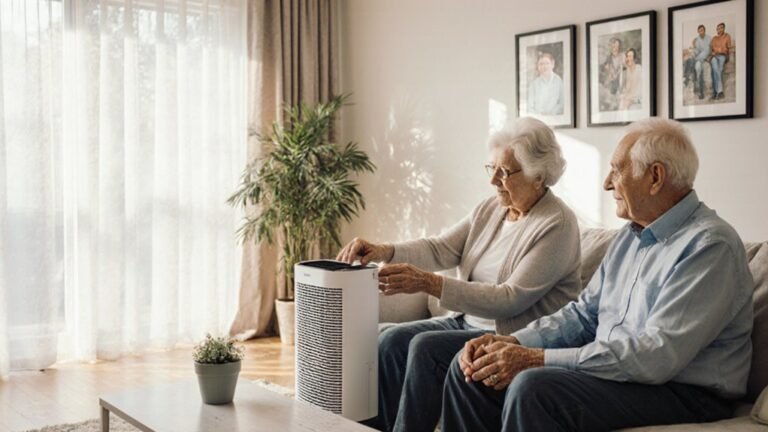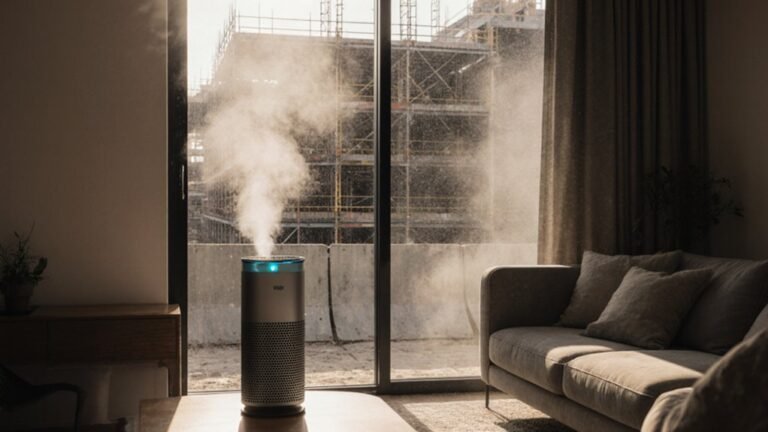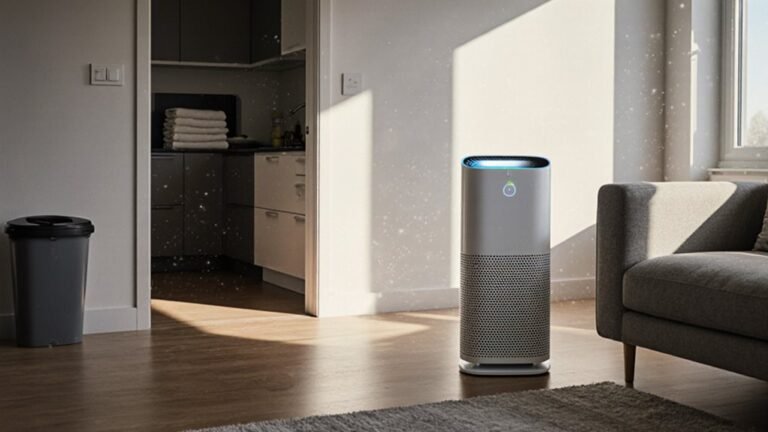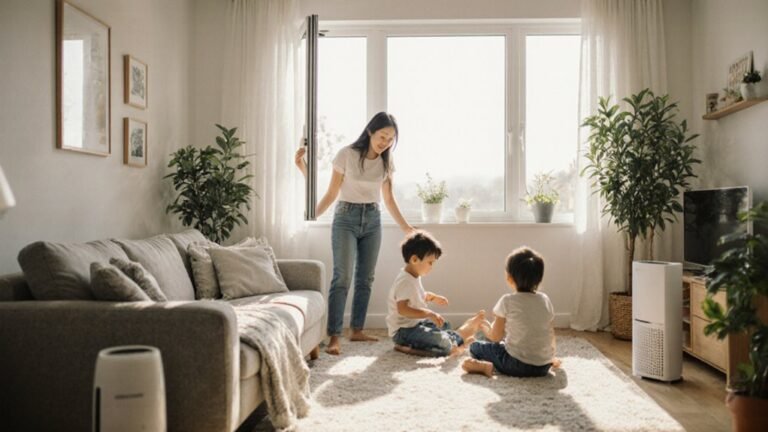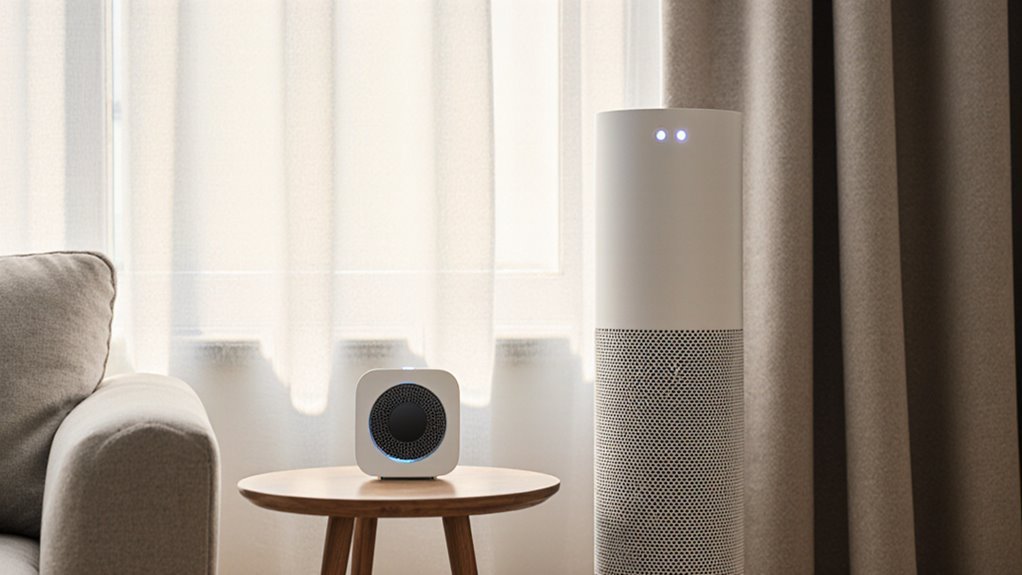

Cooking smoke and strong odors clear faster with an air purifier using HEPA and activated carbon filters. HEPA filters capture dust, pollen, pet dander, mold fragments, and smoke particles. Activated carbon reduces odors and some gaseous pollutants. An indoor air monitor tracks PM2.5, CO2, humidity, and VOCs to show what changed. Place purifier and monitor where airflow and pollutant sources are strongest for best performance.
Why Indoor Air Quality Matters
Should you spend most of your time indoors, the air around you can shape how you feel more than you could envision.
You might notice headaches, coughs, or tired eyes and not know why. Poor indoor air can also affect your sleep, focus, and mood, which changes your behavioral impacts day after day.
That matters because your home, school, or workplace should help you feel steady, not drained. Clean air supports health equity, too, since everyone deserves a safe space, no matter their income or zip code.
Once you understand indoor air quality, you can spot problems sooner and protect the people you care about. Then you can make choices that help your space feel calmer, healthier, and more welcoming for everyone inside.
What Air Purifiers Remove?
Air purifiers can do a lot, but they don’t clean every part of the air the same way. You’ll usually get the biggest win with particle filters, like HEPA, which catch dust, pollen, pet dander, and smoke. Then, provided your unit includes activated carbon, it can also help with odors and some gases.
- Dust and pollen
- Pet dander and mold bits
- Smoke from candles or wildfires
- Some odors and VOCs
That said, ozone generators aren’t a safe choice for most homes, because they can add irritation instead of comfort. You’ll get better results whenever you match the purifier to what’s actually in your space.
How Indoor Air Monitors Work
Once you look at an indoor air monitor, it’s really acting like a quiet reporter for your room. You see numbers for particles, carbon dioxide, humidity, and sometimes VOCs, and each one tells you something different.
The sensor inside pulls in air, then uses light or other signals to spot tiny particles and estimate particle sizing, so you can notice smoke, dust, or pollen before your nose does. Good sensor calibration matters, because it keeps the readings steady and honest.
As the monitor shows rising PM2.5 or CO2, you can respond with confidence and feel less alone in the process. That steady feedback helps you and your space work together, so your home feels calmer, healthier, and easier to trust.
How to Choose the Right Air Purifier
Now that your monitor can show you what’s floating around your home, the next step is finding a purifier that can actually clear the air without wasting your money or your patience. Pick a True HEPA model, then match its CADR to your room size so it can keep up. Should you want a calm home, check these basics:
- Use a size that fits the room.
- Look for low filter noise.
- Choose strong energy efficiency.
- Add carbon if odors bother you.
Place it where air can move freely, and let it run often for steady relief.
In case you share your space with kids, pets, or allergy flare-ups, that steady hum can feel like a small act of care. A good purifier should fit your life, not fight it.
How to Read Air Monitor Data
When you read air monitor data, you can turn confusing numbers into a clear image of what’s happening in your home.
Start with PM2.5 and AQI, since they show fine particle levels and how risky the air might feel right now.
Then watch the trends over time, because steady changes often tell you more than a single spike ever could.
Understanding Sensor Readings
Reading an air monitor can feel a little like staring at a tiny mystery box, but the numbers make more sense once you know what each one means. You don’t need to be a scientist to feel at home with it. Start with sensor calibration, because a well-set monitor gives you steadier clues. Then use particle interpretation to spot patterns, not just one scary spike.
- Check the baseline while the room is calm.
- Watch how readings change after cooking or cleaning.
- Compare one room with another.
- Trust trends more than a single moment.
Whenever the numbers rise, stay curious instead of worried. Your monitor is helping you and your home team see what’s happening, so you can make smart changes together.
PM2.5 and AQI
PM2.5 and AQI can look confusing at initially, but once you learn the basics, the numbers start to feel much friendlier. You’re really watching tiny particles and a simple score that turns that data into something you can use. PM2.5 shows the amount of fine dust in the air, and lower numbers usually mean cleaner air around you.
AQI adds health correlations, so you can tell when air is safe, fair, or risky without guessing. Should your monitor seems odd, check sensor calibration to begin with, because a well-tuned device gives you better confidence. Then compare the readings with how you feel in the room, especially during cooking or smoky days. As the numbers rise, your purifier can help you breathe a little easier.
Tracking Air Quality Trends
Now that you know what PM2.5 and AQI mean, the next step is learning how to spot the pattern behind the numbers. Whenever you check your monitor each day, look for steady rises, sudden spikes, and quiet periods. Those shifts tell you what’s happening in your home and help you feel less alone in the guesswork.
- Compare readings morning and evening.
- Notice seasonal trends, like winter buildup or spring pollen.
- Watch how cooking, cleaning, or guest visits change the graph.
- Link changes to occupant behavior, then adjust your purifier or window use.
Should PM2.5 climb whenever the room feels busy, that’s useful. In case CO2 stays high, your space could need more fresh air. Over time, these clues help you build a calmer, healthier routine together.
Where to Place Purifiers and Monitors
Place your purifier where it can actually move air through the room, not just sit there looking helpful. You’ll usually get better results with floor placement in a central spot, since that lets the unit pull air from more than one side. Keep it away from corner blockage, tight curtains, and furniture that can trap the flow.
For your monitor, put it near where you spend time, but not right beside the purifier, so you read a truer depiction of the room. Provided that you possess a bedroom or office, aim for a spot at breathing height and out of direct drafts. That way, you and your household can feel more confident about the air you share. Small moves like these help everyone breathe easier together.
How to Improve Airflow and Ventilation
You can make your air feel fresher by opening windows when outdoor air is cleaner and using fans to guide that air through your space.
Try to balance supply and exhaust, so stale air leaves as new air comes in instead of getting trapped in one room.
When you pair natural ventilation with a purifier and a monitor, you’ll get a clearer image of what your home really needs.
Optimize Natural Ventilation
Fresh air can make a room feel lighter fast, but it works best whenever the air has a clear path to move. You can open windows on opposite sides so breezes cross the space instead of wandering. Use the stack effect by opening a low window and a higher one, and warm air will rise out while cooler air slips in.
- Crack windows wider whenever outdoor air feels clean.
- Keep doors open so air doesn’t stall.
- Use night flushing whenever evenings are cooler.
- Watch weather and pollen so you stay comfy.
Whenever you plan this way, you help your home feel calmer and more shared. A small shift can make everyone breathe easier, and that sense of relief matters.
Balance Supply And Exhaust
To make air move the way it should, your supply and exhaust have to work as a team, not as rivals in a tug-of-war. Whenever you use supply balancing, you bring fresh air in at the right rate, so rooms don’t feel stuffy or uneven.
Then exhaust optimization pulls stale air out where it builds up, like kitchens, baths, or crowded spots. Together, they help you keep airflow steady and comfortable.
In case one side is too strong, you can get drafts, dead zones, or extra strain on your system. So, check vents, fan settings, and room layout, and make small changes until the air feels even.
Once you match both sides, you join the group that breathes easier and stays more comfortable day after day.
How to Maintain Your Air Purifier and Monitor
Regular care keeps your air purifier working hard without making you guess what’s going on. You stay in control whenever you check filter maintenance each month and observe whenever the air feels stale. Clean the prefilter, replace worn filters on time, and follow warranty registration steps so your coverage stays intact. Then watch your monitor beside it, because the numbers tell a story you can trust.
- Check PM2.5 trends after cooking or cleaning.
- Look for CO2 above 1000 ppm whenever rooms feel stuffy.
- Wipe dust from sensor vents gently.
- Place both devices where air can move freely.
Whenever readings climb, raise fan speed or open a window provided outdoor air is better. That simple rhythm helps you and your home breathe easier, together.
Frequently Asked Questions
Can HEPA Purifiers Remove Wildfire Smoke Effectively?
Yes. HEPA purifiers can reduce wildfire smoke effectively; their efficiency comes from capturing the very small particles that make up smoke. You will not eliminate all smoke, but you will breathe easier.
Do Air Purifiers Eliminate Odors and VOCS?
No, you won’t eliminate all odors or VOCs with a HEPA purifier alone; you’ll need activated carbon or photocatalytic oxidation as well. Once you choose the right unit, you’ll breathe easier and feel at home.
How Much Room Size Does a Purifier Need to Cover?
You need a purifier sized to your room’s square footage and matched to its airflow rate. A larger room requires a higher CADR. A small cozy room can feel fresh with less, provided you choose wisely.
Will a Monitor Tell Me if Ventilation Is Poor?
Yes, you can use a monitor to detect poor ventilation by checking carbon dioxide levels; rising CO2 means weak air exchange. You will know to open windows or improve ventilation, and you will not be guessing alone.
How Often Should Filters and Sensors Be Replaced?
You’ll replace filters whenever they are clogged or according to the manufacturer’s schedule, often every 3 to 12 months; consider them your home’s shield. You should calibrate sensors every 6 to 12 months and replace sensors per manufacturer guidance.