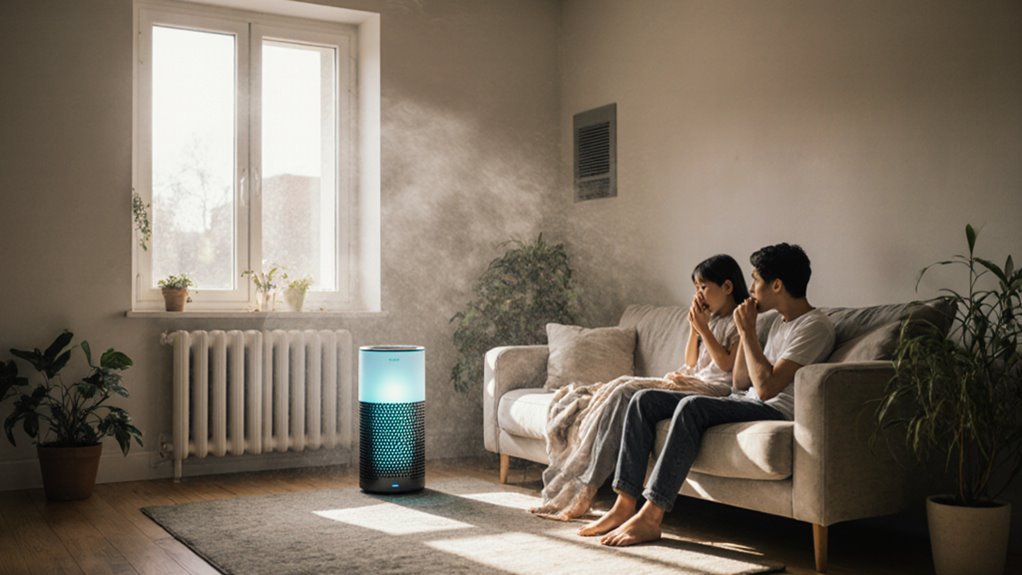

Indoor air quality affects daily health, comfort, and productivity through pollutants like dust, mold, smoke, pet dander, and chemicals. Poor ventilation lets contaminants concentrate, triggering headaches, coughs, sleep disruption, and tiredness. Allergens and irritants can worsen asthma and reduce focus at work or school. Regular cleaning, source control, and proper airflow reduce pollutant buildup. Small changes in how air moves and what’s released indoors deliver noticeable improvements in wellbeing.
What Indoor Air Quality Means
Most of the time, the air you breathe at home, school, or work matters more than you could envision. Indoor air quality means the mix of gases, tiny particles, and organisms you occupy inside. It also shapes your sensory perception, so a stuffy room can feel tiring fast.
Because you spend so much time indoors, your breathing space often guides your daily exposure more than outdoor air does. Your building microbiome, meaning the tiny organisms residing around you, also plays a part in how that air feels and functions.
Ventilation, heating systems, and everyday habits all affect what stays in the air and what leaves it. Whenever indoor air is steady and clean, you can feel more comfortable, focused, and supported in your space.
What Pollutes Indoor Air?
Indoor air can look clean and still carry a lot of concealed stuff. You breathe in VOCs from paint, pressed-wood furniture, cleaners, and sprays, and these can be higher indoors than outside.
Then combustion adds more trouble. Cigarette smoke, gas stoves, wood stoves, and unvented heaters release tiny particles and gases that spread fast in closed rooms.
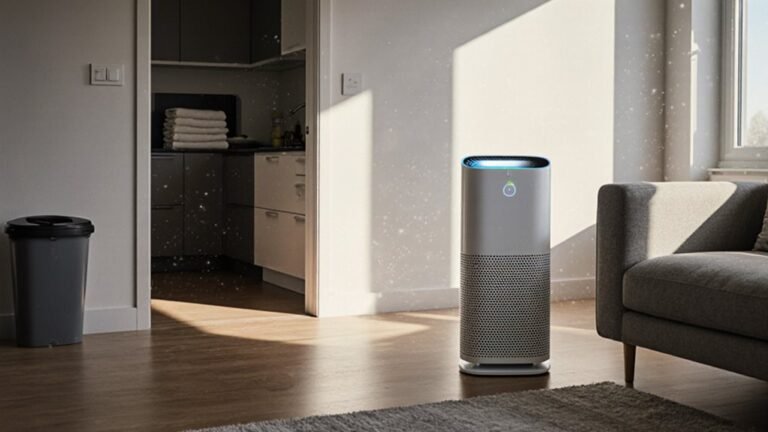
Moist corners and soft surfaces can also trap mold, dust mites, pet dander, cockroach bits, bacteria, and viruses.
Radon might seep through foundation cracks without any smell at all.
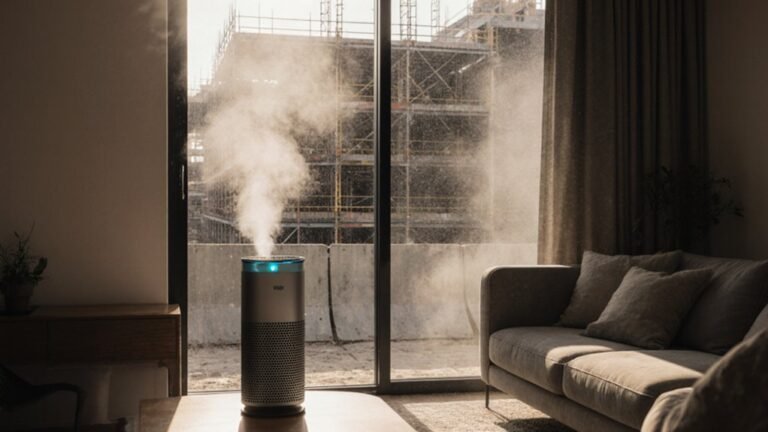
Outside pollution, wildfire smoke, and new building materials can drift in too.
Even seasonal variations change how much gets trapped, and household plants won’t fix every source, but they can fit into a cleaner space.
Health Effects of Poor Indoor Air Quality
Poor indoor air can affect how you feel almost right away, and that can be scary while the room looks perfectly normal. You could get headaches, eye or throat irritation, sneezing, coughing, or dizziness from VOCs, mold, dust, and fine particles. Should you have asthma, your symptoms can flare fast.
Smoke from cigarettes, gas stoves, woodstoves, or faulty heaters can also cut lung function and raise your breathing strain. Over time, radon and secondhand smoke can increase cancer risk, while poor ventilation can bring mental fatigue, sleep disruption, and trouble focusing.
Kids exposed prematurely can develop weaker lungs and more pneumonia or asthma. Whenever air stays stale, your body works harder, and you can feel off, even at school or work.
Why Indoor Air Quality Matters at Home
You spend most of your time at home, so the air there can shape how you feel each day.
Cooking fumes, smoke, dust, and chemical vapors can build up fast, and they might raise your risk for asthma flare-ups, blood pressure spikes, and other health problems.
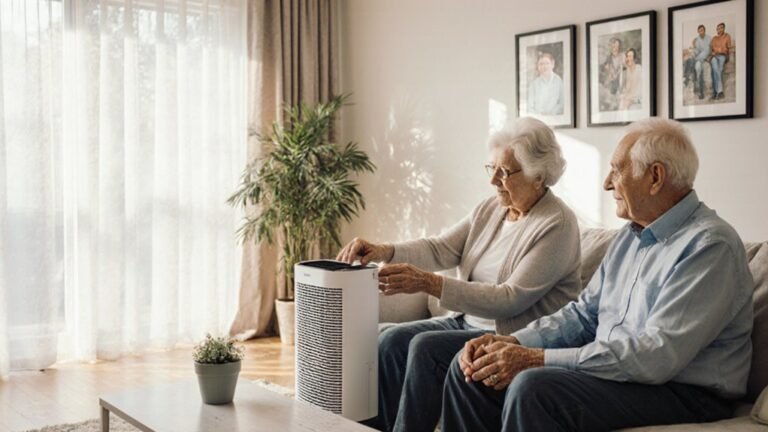
Your kids, older family members, and even you could be more sensitive at home, but simple steps like better ventilation and clean filters can create a real difference.
Health Risks Indoors
Because most of us spend about 90% of our time indoors, the air at home can shape our health more than we realize. Whenever you breathe it every day, small risks add up fast. Your indoor microbiome and microbial interactions also matter, because damp or dusty spaces can upset that balance and make you feel worse.
| Exposure | What you might feel | Health impact |
|---|---|---|
| Allergens | Sneezing | Asthma flare |
| Mold | Coughing | Shortness of breath |
| Radon | No warning | Lung cancer risk |
| Smoke | Chest tightness | Lower lung function |
| Poor airflow | Headache | Dizziness |
Short-term exposure can trigger symptoms, while long-term exposure can strain your heart, lungs, and energy. Should your home feel stuffy, you’re not being dramatic. You’re noticing a real health signal that deserves care.
Common Home Pollutants
Inside your home, the air can collect more than dust, and that mix can affect how you feel day after day. You might breathe in VOCs from pressed wood, paint, and cleaners, especially whenever you skip Green cleaning. Gas stoves, fireplaces, space heaters, and smoke can add carbon monoxide, nitrogen oxides, and fine particles that could leave you foggy or tight-chested.
In damp rooms, mold, mites, pet dander, and viruses can spread fast, so Houseplant myths won’t fix concealed moisture. Radon can also seep through cracks without a smell. To protect your space, keep humidity near 30 to 50 percent, run exhaust fans, and use HEPA filters whenever you’re able. These small steps help your home feel safer and more welcoming.
Family Vulnerability Factors
Whenever a home feels stuffy or hard to breathe in, the impact can hit some family members much harder than others.
You might notice children coughing more, older adults tiring fast, or a pregnant person reacting to smoke, mold, or poor airflow. Their lungs and immune systems can be more sensitive, so even small leaks of pollution can trigger asthma flares, infections, or blood pressure changes.
Should you live with housing insecurity, old walls, weak ventilation, or concealed lead and mold can raise risks even more. People with heart or lung conditions could also feel symptoms sooner.
That’s why caregiver education matters, since you’re able to spot problems sooner, protect loved ones, and lower exposure to secondhand smoke, radon, and moisture before they cause lasting harm.
Indoor Air Quality in Schools and Daycares
What happens in a classroom airspace can shape a child’s whole day. You want air that helps kids feel safe, focused, and ready to learn.
Whenever Outdoor infiltration brings traffic smoke or wildfire particles inside, and poor Classroom acoustics already strain attention, the mix can wear everyone down.
- Watch CO2, because high levels often mean weak ventilation.
- Use low-VOC cleaners and skip scented extras.
- Fix leaks fast so mold doesn’t spread.
- Add portable HEPA cleaners where airflow is weak.
In daycares, these steps matter even more because little lungs breathe more air for their size. Should your child have asthma or allergies, cleaner rooms can mean fewer symptoms, calmer days, and better learning.
You belong in a space that supports every child.
Indoor Air Quality at Work
At work, the air around you can quietly affect how you feel and how well you focus.
Poor ventilation, stale indoor air, and pollutants like dust, mold, VOCs, and CO2 can leave you tired, irritated, or short of breath.
As your office keeps fresh air moving and controls pollution at the source, you’re more likely to stay comfortable, reason clearly, and get more done.
Workplace Pollutants
Indoor air at work can shape how you feel and how well you believe, even although you don’t notice it right away. Whenever pollutants build up, you could feel foggy, tired, or tense, and you perhaps not know why. With ventilation monitoring and filtration upgrades, you can help your space feel safer and more welcoming.
- Particulate matter and VOCs can linger from furnishings, cleaners, and building materials.
- Nitrogen dioxide and ozone can irritate your lungs and throat.
- Carbon monoxide and nitrogen oxides from fuel use can bring headaches or dizziness.
- Bioaerosols and high CO2 can make air feel stale and slow your focus.
If you have asthma or heart concerns, you could feel these effects sooner. So, source control, regular HVAC care, and low-VOC choices can help you belong and breathe easier.
Office Ventilation Matters
Good office ventilation does more than move air around, because it helps protect your focus, your comfort, and even your mood during a long workday.
Whenever fresh air stays low, indoor pollutants build up, and you can feel it as brain fog, headaches, or tired eyes.
Better airflow helps dilute CO2, PM2.5, VOCs, and bioaerosols, so you can believe more clearly and stay steady with your team. ASHRAE suggests about 15 cubic feet per minute of outdoor air per person, and that fresh supply matters.
You can also use ventilation audits and occupant surveys to spot weak spots in your space.
In case filters clog or HVAC care slips, particles rise fast. Portable HEPA cleaners, clean filters, and humidity between 30 and 50% help you breathe easier together.
Moisture, Mold, and Dust Mites
Whenever moisture hangs around your home, it can quietly invite two common troublemakers: mold and dust mites. You’re not alone provided this feels annoying; with steady humidity control, you can protect your space and your comfort. Keep indoor humidity between 30 and 50 percent, because levels above 60 percent raise the risk.
- Run dehumidifiers in damp rooms.
- Use exhaust fans in bathrooms and kitchens.
- Fix leaks fast and dry wet materials.
- Wash bedding and rugs weekly, then vacuum with a HEPA filter.
This kind of allergen management helps cut mold spores and dust mite buildup. Mold can irritate your breathing, and dust mites love carpets, bedding, and upholstered furniture. Whenever you handle moisture promptly, your home feels fresher, safer, and more welcoming every day.
Smoke, Combustion, and Fine Particles
Smoke from cigarettes, cookstoves, fireplaces, gas burners, and wildfires can slip into your home and leave behind tiny particles called PM2.5, which are small enough to travel deep into your lungs and strain your heart too.
You might feel it as a cough, tight chest, or tired steps.
Because these particles can also carry formaldehyde, lead, and other fumes, the problem isn’t just smoke, it’s a mix that can wear you down.
Should you cook often, use a vented hood, open windows whenever you can, and keep flames steady.
For wildfire days, a portable HEPA cleaner can help your room feel safer.
Also, choose vented fireplaces or cleaner fuels whenever possible, and skip indoor smoking.
Small changes like these could help your home feel like a place where you truly belong.
Radon, Asbestos, and Other Indoor Hazards
Even though your home looks clean, concealed hazards can still affect how you breathe and feel day to day. You belong in a safer space, so check these risks:
- Radon can slip through foundation cracks, and radon mitigation lowers that danger.
- Old insulation or tile can release asbestos fibers when disturbed, so call for asbestos abatement prior to renovation.
- Wood stoves, gas appliances, and cigarettes add toxic particles and gases that strain your lungs and heart.
- Pressed-wood cabinets and some paints can give off formaldehyde, which might sting your eyes and throat.
Should you notice musty air or odd chemical smells, don’t brush them off. Small fixes now can help you and your household breathe easier, stay calmer, and feel more at home.
Allergens, Pets, and Pests Indoors
As allergens build up indoors, they can make your home feel less restful and more irritating than it should. Dust mites, pet dander, cockroach droppings, and pollen can stay in carpets, bedding, and chairs for months, so you might keep reacting long after you notice the source.
Should you have asthma or allergies, that can mean more sneezing, coughing, or tight breathing. Pets add dander and saliva proteins, so pet free zones, especially bedrooms, can help you breathe easier. Allergen proof bedding also cuts contact while you sleep.
Because cockroach allergens can hit children hard, a cleaner kitchen matters too. You could lower buildup through keeping humidity near 30 to 50 percent, washing bedding in hot water, and vacuuming weekly with a HEPA filter.
How to Improve Indoor Air Quality
Improving your indoor air quality starts with a few small, steady changes that can make your home feel calmer and easier to breathe in.
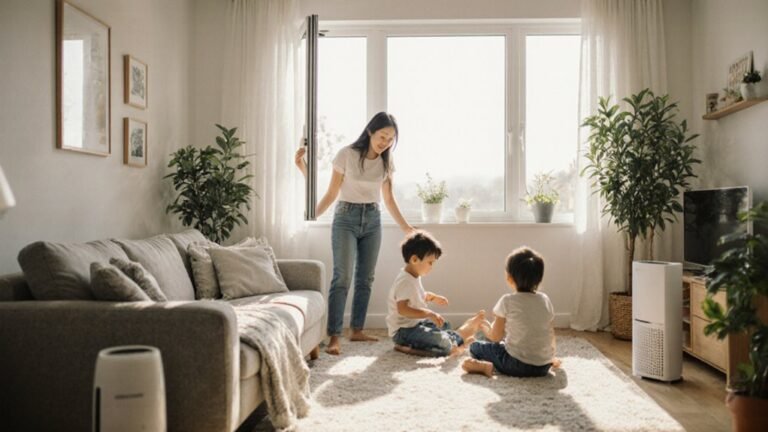
You can build a healthier space by opening windows, running kitchen and bathroom fans, and using air purifying gadgets in stuffy rooms.
Good plant selection can also help your rooms feel fresher, but it works best with real ventilation.
- Let in outdoor air each day.
- Upgrade filters or use HEPA cleaners.
- Cut smoke, strong scents, and harsh cleaners.
- Keep moisture low and fix leaks fast.
Once you handle these basics, you help your home’s air stay cleaner and your space feel more welcoming.
Small steps matter, and they’re easier to keep up provided everyone in the house pitches in together.
When to Test Indoor Air
Now that you’ve made your home cleaner and easier to breathe in, it helps to know at what times the air needs a closer look.
Assess for radon upon moving in, and repeat seasonal testing every few years.
After renovations, new furniture, or fresh paint, check for VOCs and formaldehyde because those can drift into your space.
Also, watch air quality during cooking with gas, wood burning, indoor smoking, or wildfire smoke, since tiny particles can hit hard.
Should you use fuel-burning appliances, evaluate CO detectors when they’re installed or serviced, and replace alarms every 5 to 7 years.
Whenever headaches, allergy flares, or asthma show up, look for mold, humidity above 50%, and consider real time monitoring so you can feel safer together at home.
Frequently Asked Questions
How Quickly Can Indoor Air Quality Affect My Mood?
Almost instantly, like a cloud over your day, poor indoor air can affect you within minutes. You might notice short term cognitive effects and immediate mood shifts as irritants trigger stress, fogginess, and discomfort.
Can Cooking Odors Signal Harmful Indoor Pollutants?
Yes, strong cooking odors can signal harmful pollutants. You can’t always smell danger, though. Gas leaks need urgent action, and particulate monitoring helps you track smoke, grease, and fumes so you stay safer together.
Does Indoor Air Quality Influence Sleep Quality?
Yes, it does. Like a blanket you cannot kick off, poor indoor air quality can stir sleep disturbances and reduce your breathing comfort. You will rest better when you keep your air clean, calm, and welcoming.
Are Air Fresheners Safe for Everyday Use?
Not always. You should use air fresheners sparingly because synthetic fragrances can trigger respiratory irritation. If you want a welcoming home, choose unscented options, ventilate rooms, and test products carefully before regular use.
Can Poor Ventilation Make Me Feel Tired During the Day?
Yes, poor ventilation can make you feel tired during the day because stale air and low oxygen can leave you sluggish. You deserve a fresher space, so open windows, use fans, and check airflow.