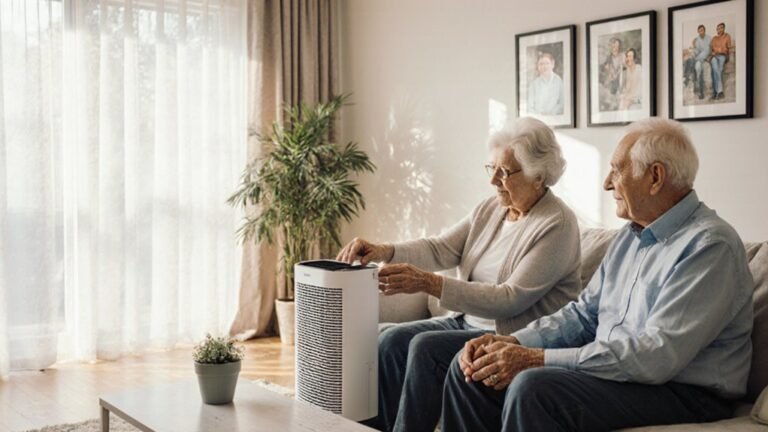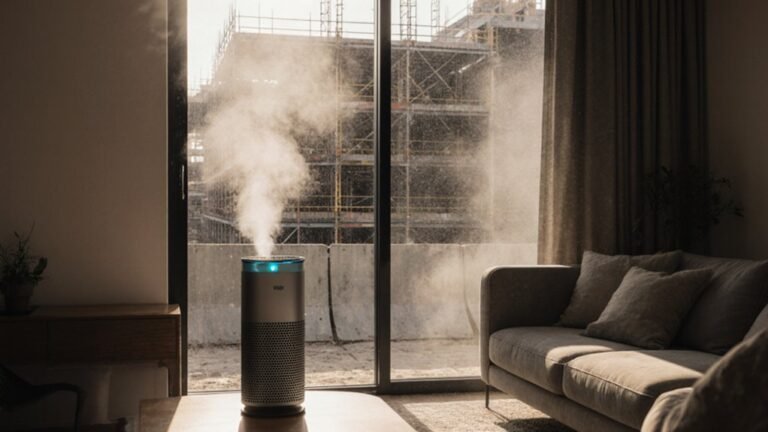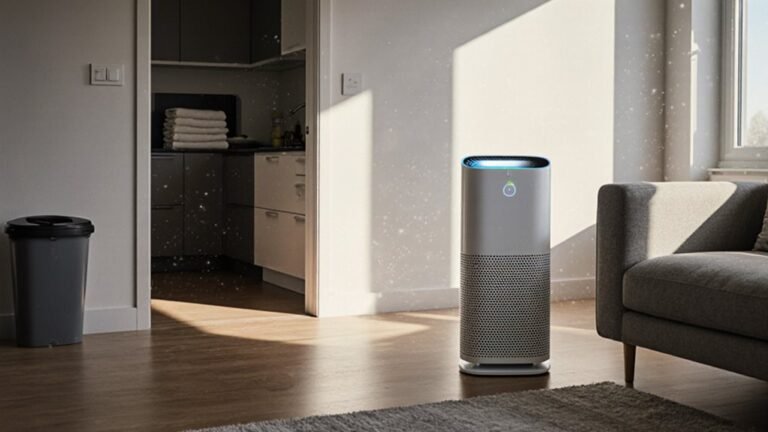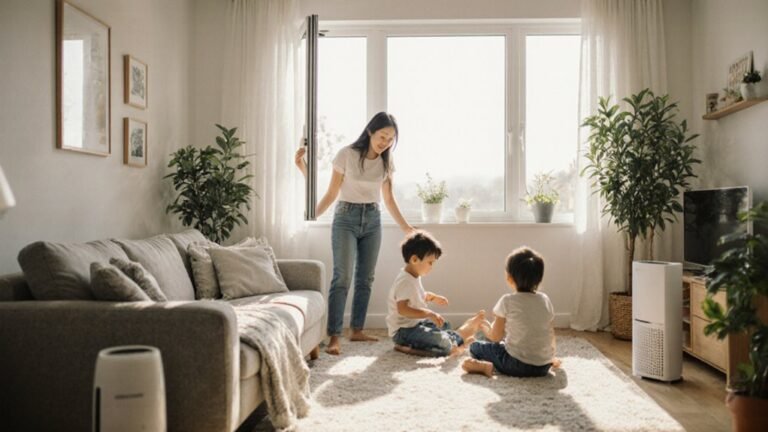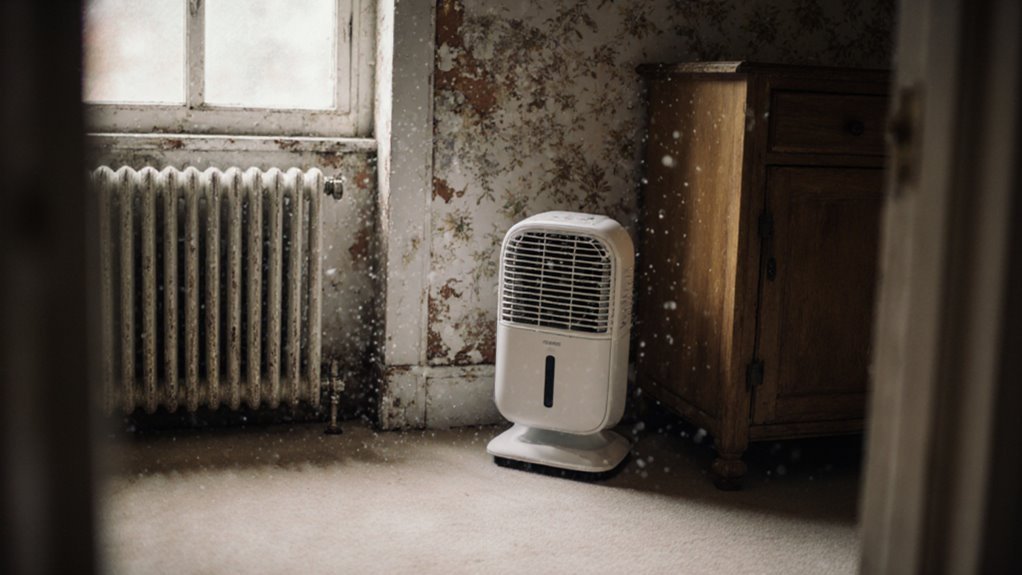

Older homes often hold stale odors and a persistent layer of fine dust that returns quickly. An air purifier can cut airborne particles like pollen, pet dander, smoke, and many fine particulates. Best results come from pairing a purifier with checks for mold, radon, and elevated humidity. Sealing drafts and upgrading filters in HVAC systems reduces pollutant entry and recirculation. Clean indoor air usually starts with both targeted filtration and fixing sources of contamination.
Why Older Homes Have Poor Air Quality
Whenever you live in an older home, the air can feel stale for a few clear reasons. You might notice historic odors, but they often point to aging ductwork, weak ventilation, and HVAC systems that spread dust instead of fresh air.
Thermal drafts around windows and doors also pull in outdoor pollution and let moisture slip inside. At the same time, old materials like lead paint, asbestos insulation, and pressed wood can shed fibers or VOCs as they wear down.
Should your home feel damp, mold and mildew can grow fast, especially after drainage problems or poor drying. Even winter sealing and energy upgrades can trap radon, VOCs, and particles indoors. That can leave you breathing air that feels heavy and unwelcoming.
What Pollutants Build Up Indoors?
In older homes, you can find fine dust, mold spores, combustion gases, and VOCs building up indoors, and each one can affect your lungs, comfort, and peace of mind.
Should you notice musty smells, extra dust, headaches, or irritation, those are often clues that something is lingering in the air.
Checking and simple monitoring can help you spot what’s there, so you can choose the right air purifier with confidence.
Common Indoor Pollutants
Older homes can trap more than dust, and that can feel worrying while you’re trying to keep your family safe. You’re not alone, though, because many families face the same indoor mix.
Seasonal variations can stir up pet dander and fine particles, while old dust, degraded materials, and tracked-in soil raise PM2.5 and PM10 levels whenever windows stay shut. Damp basements can grow mold spores, and that matters because mold-linked asthma triggers are common.
At the same time, gas stoves, furnaces, and fireplaces can add carbon monoxide and nitrogen oxides. Paints, pressed wood, and plastics can release VOCs, and legacy hazards like asbestos fibers or lead dust might hide in older walls.
Signs Of Buildup
Dust can pile up fast, and that often tells you more than a quick wipe ever could. In older homes, you might notice dust returning soon after cleaning, vents coating over, or gritty buildup in ducts. That points to settled particles like dust, pet dander, and fibers, which can trigger allergy and asthma flare-ups.
Should you smell musty air after humid weather or a wet basement, mold and mildew could be growing on damp surfaces.
Also, headaches, sore eyes, and a scratchy throat that ease when you leave can hint at indoor fumes or combustion byproducts.
During seasonal maintenance, check for heavy dust, and use pet mitigation steps in case fur keeps drifting back. In pre-1980 homes, old paint or tiles can add concealed debris once disturbed.
Testing And Monitoring
Whenever a house keeps adding dust, odors, or damp smells, it helps to stop guessing and start measuring.
In older homes, you can track VOCs, carbon monoxide, nitrogen dioxide, radon, and fine particles with simple tools that fit real life. Place CO monitors near fuel-burning rooms and check them routinely, since low levels still matter. Use short- or long-term radon kits in basements, especially where sealing is weak. Add humidity logging to watch for mold-friendly moisture, and aim for 30 to 50 percent indoor humidity. For dust and smoke, portable or whole-house particle monitors show how filtration changes help. With sensor networks and clear data visualization, you can see patterns, compare rooms, and feel more confident in your home.
Signs Your Home Needs an Air Purifier
How can you tell once your home is asking for help?
Should you smell a steady musty odor, see damp spots, or spot mold after humid weather, your air might need mold mitigation support.
Whenever dust comes back fast after cleaning, or your allergies and asthma act up indoors, your occupant behavior could be stirring particles, but your home might still need help.
In the event you get headaches or dizziness near gas stoves, old furnaces, or fireplaces, pay attention.
Also, poor airflow from sealed windows, aging ducts, or window AC units can trap pollutants and make rooms feel stale.
In older homes, that trapped air can build trouble quickly.
And should you suspect asbestos, worn insulation, or pressed wood fumes, get testing soon and consider a purifier.
How Air Purifiers Help in Older Homes
You can use an air purifier to catch fine dust, mold spores, and other tiny particles that older homes often hold onto.
In rooms you use most, it helps create a cleaner breathing zone so the air feels easier on your lungs.
And provided you size it right for the room, it can make a real difference even though the house doesn’t breathe well on its own.
Pollutant Capture
Air purifiers can make a real difference in older homes because they pull many harmful particles out of the air you breathe every day.
Whenever you choose a HEPA model, it can capture mold spores, dust mite debris, and even many asbestos fibers. Provided the unit matches your room size, it can also cut fine dust and smoke by a lot.
Activated carbon helps with old paint smells and VOCs, but you’ll need to watch filter lifespan and replace it on time.
Smart placement strategies matter too, so set the purifier where air can move freely and run it often. Still, it can’t fix concealed mold or other source problems. Use it as one steady part of your home team.
Cleaner Breathing Zones
Cleaner breathing starts with the air right around you, and that’s where a good purifier can make an older home feel much easier to reside in. When you place one in your room, it builds a calmer breathing zone and helps protect your occupant breathing from dust, mold bits, and old-house fibers. With localized filtration, you can feel the difference fast.
| Room | Main Need | Purifier Effect |
|---|---|---|
| Bedroom | Sleep air | Fewer particles |
| Living room | Shared space | Cleaner feel |
| Office | Focus time | Less dust |
| Basement | Musty air | Lower odors |
| Hallway | Pass-through air | Better flow |
Choose true HEPA, match size to the room, and add carbon for smells. Replace filters on time, keep humidity steady, and use fresh-air ventilation when you can for stronger relief.
What to Test Before Buying an Air Purifier?
Before you bring home a purifier, start with the problems that a machine can’t fix on its own.
In older homes, begin with radon screening, since radon is colorless, odorless, and common in some basements.
Next, check humidity monitoring with a hygrometer; provided indoor moisture stays above 60%, mold can grow and smells can linger.
Then measure PM2.5 and PM10 with a particle monitor so you know whether HEPA filtration fits your room and CADR needs.
Also, screen for carbon monoxide and backdrafting with a CO monitor, because that calls for repair, not just cleaner air.
Should you have old insulation or suspect lead or asbestos, get professional testing initially.
At the outset you examine, you choose with confidence and feel at home.
Long-Term Air Quality Fixes for Older Homes
Once you know what’s in the air, the next step is fixing what keeps putting it there. In older homes, you’ll get the best results from source control, not just filters. Start with moisture mitigation: seal leaks, dry basements, and keep humidity at 30 to 50 percent so mold doesn’t move back in. Next, handle appliance maintenance by tuning furnaces, repairing chimneys, and checking for combustion leaks. Then look at ventilation upgrades, like HRV or ERV systems, so fresh air moves in without opening the door to buildup.
| Fix | Why it helps | Feel at home |
|---|---|---|
| Duct remediation | Cuts dust and spores | Cleaner rooms |
| MERV 13 filter | Traps fine particles | Easier breathing |
| HEPA cleaner | Helps problem rooms | Quieter nights |
Keep evaluating radon, CO, and VOCs so your home stays steady, safe, and yours.
Frequently Asked Questions
How Often Should I Replace Filters in an Older Home Purifier?
Usually you’ll replace it every 3 to 6 months depending on use and dust. Check the filter lifespan monthly and tighten your seasonal maintenance routine. If it is clogged you are in the same boat as many homeowners.
Can Air Purifiers Reduce Mold Odors in Old Houses?
Yes, you can reduce mold odors with an air purifier, but you will also need mildew mitigation. A HEPA and activated carbon unit helps with odor neutralization, so your home feels fresher and more welcoming.
Do Portable Purifiers Help With Cigarette Smoke Residue?
Yes, you can help cut cigarette residue with a portable purifier, even if you believe it will not. You will trap nicotine particles and smoke gas better with HEPA and activated carbon, and your home can feel fresher fast.
Should I Run an Air Purifier All Day or Only at Night?
You’ll usually get the best results by running it all day, since continuous operation improves air cleaning. If you are worried about energy tradeoffs, noise considerations, or maintenance scheduling, use quieter settings at night and adjust accordingly.
Will One Purifier Work for Multiple Rooms in Older Homes?
Usually, one purifier will not fully cover multiple rooms. You will get better results by considering airflow patterns, unit placement, and shared spaces so you can create a cleaner home together where everyone feels included and comfortable.