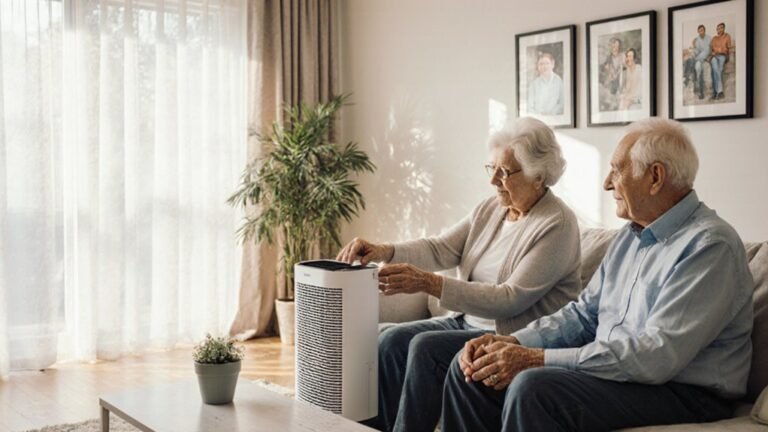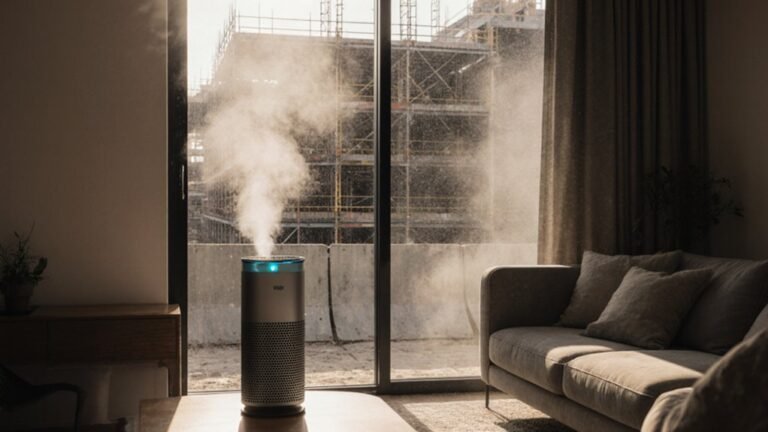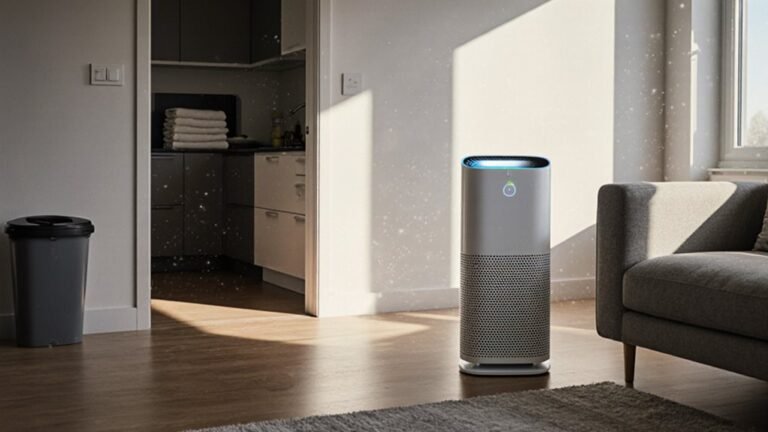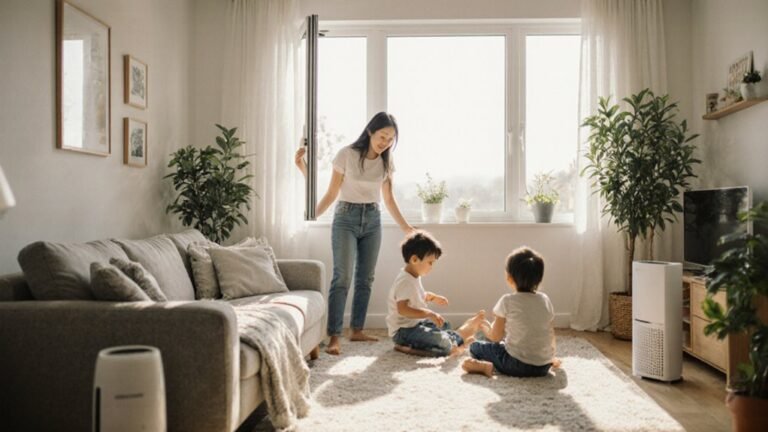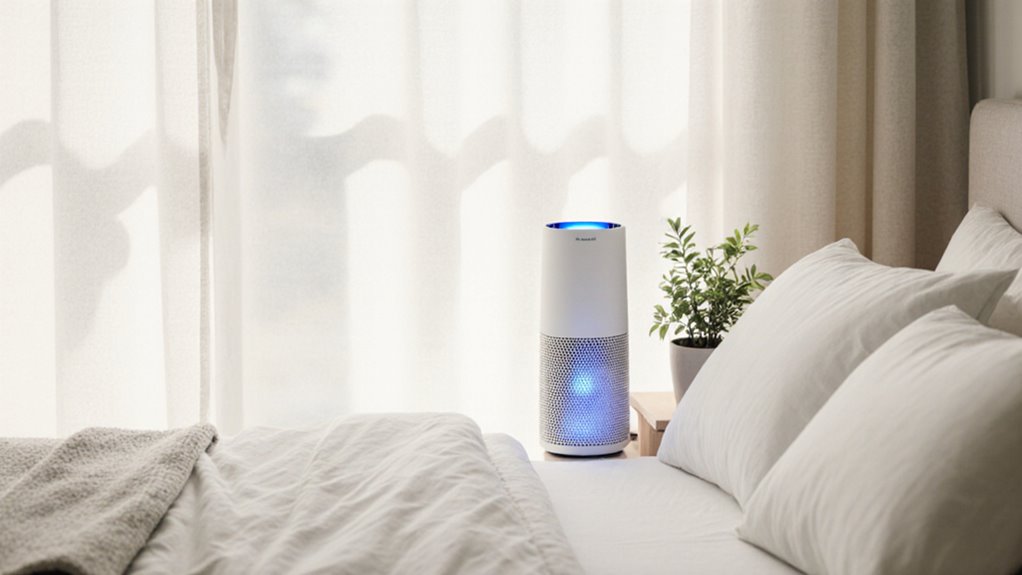

A true HEPA air purifier can significantly reduce airborne particles for people with sensitive lungs. Choose a unit with an appropriate CADR for the room size and a quiet sleep mode for overnight use. Strong activated carbon filtration removes smoke and common household odors. Avoid purifiers that generate ozone or have unproven ionizers. Proper placement and regular filter changes keep performance consistent and breathing easier.
What to Look for in an Air Purifier for Sensitive Lungs
Whenever your lungs feel touchy, the right air purifier can feel like a small relief with a big impact. You want a model that matches your room size, so check the CADR and noise level initially.
Next, look for true HEPA or MERV 13+ filtration, because that helps catch tiny particles that can bother you. In case smells or smoke bother you too, choose one with enough carbon for extra support.
Then check sensor calibration, since a reliable monitor can help the unit respond whenever air quality changes. You should also look for low-ozone designs and clear warranty terms, because that shows the company stands behind the machine.
Lastly, place it where you spend the most time, so you feel the difference where it matters most.
HEPA, Carbon, and Pre-Filters
HEPA filters do the heavy lifting whenever you need cleaner air, because they trap tiny particles that can irritate sensitive lungs, like dust, pollen, and smoke. A true HEPA filter gives you that reliable base, while carbon adsorption helps catch odors and some fumes that can linger. A pre-filter adds another layer upfront grabbing larger lint and hair initially, so the main filter can keep working well.
| Filter | Job |
|---|---|
| Pre-filter | Catches big debris |
| True HEPA | Traps fine particles |
| Carbon | Reduces smells and gases |
| Combined layers | Support easier breathing |
Once you choose all three, you build a smoother path to cleaner air. You don’t have to sort this out alone; many people with sensitive lungs use the same setup and feel more at ease.
Match the Purifier to Your Room Size
A room-sized purifier only works well once it fits the space, so the initial step is to match its strength to the room where you spend the most time. Whenever you check room sizing, you help your lungs breathe easier and your home feel calmer. Use CADR and airflow modeling to see whether the unit can turn over the air often enough. Bedroom units usually need stronger output than a tiny office. Also, watch ventilation coupling, because open vents can help or weaken results.
- Pick a purifier that suits your square feet.
- Place it where air moves freely.
- Notice window leakage on windy days.
- Choose enough power for shared spaces.
Supposing you live with others, the right fit helps everyone feel included, not crowded by stale air.
Choose the Right Air Purifier Features
Since sensitive lungs need steady, gentle support, the features you choose matter just as much as the purifier’s size. You should look for a true HEPA filter, because it catches tiny particles that can bother your chest.
Next, check for enough activated carbon in case smoke or smells trouble you. Also, choose a model with low ozone emissions, since extra ozone can make breathing feel harder.
Then, compare the filter lifespan so you know how often you’ll need replacements and what the upkeep will cost. A simple control panel can help you feel in charge, not confused.
Should you share your space with family, pick a purifier that feels easy to live with. That way, your home can feel calmer, cleaner, and more like it’s on your side.
Reduce Noise With Sleep and Low-Speed Modes
Quietly, your purifier can help you sleep better provided you use the sleep mode or a low fan setting. You still get cleaner air, and you avoid that steady hum that can keep sensitive lungs and tired minds on edge.
Many models include whisper modes, so you can rest without feeling alone in the noise. Provided your room feels peaceful, you’re more likely to keep the purifier running all night. That matters whenever your breathing needs extra support.
- Use quiet timers so the unit slows down after bedtime.
- Pick a setting that blends into soft background sounds.
- Listen for rattles or harsh clicks before you settle in.
- Let the calm airflow feel like part of your night routine.
With a gentle fan speed, you can breathe easier and sleep with confidence.
Place and Maintain Your Air Purifier
Placing your air purifier where it can work without blockage, you give your lungs the best chance to catch a break. For prime placement, set it in the room where you rest most, and keep it away from walls, curtains, and furniture. Let air move freely around it so the clean flow reaches you and your family.
After that, check the filter often, because a dusty filter can’t do its job well. Follow the maker’s guide for filter rotation, and swap filters on schedule so the unit stays strong. Should you use more than one purifier, spread them across shared spaces, not just one corner. That way, your home feels calmer, cleaner, and more welcoming for every sensitive breath.
Daily Habits for Easier Breathing
Every day, small habits can make breathing feel a little easier, especially whenever your lungs are sensitive. You don’t need a perfect routine; you just need steady steps that fit your day and help you feel supported.
- Start with breathing stretches after you wake up.
- Keep hydration alerts on your phone or fridge.
- Open windows only whenever outdoor air feels clean.
- Rest before you feel wiped out, not after.
These small choices work well with your air purifier, because cleaner air helps more whenever you also lower triggers around you. Try slow nose breaths while you sip water, then pause and notice your chest relaxing.
In case you cook, use the fan. In case you clean, choose gentle products. Little wins add up, and you’re not doing this alone.
Frequently Asked Questions
How Do Air Purifiers Help During Wildfire Smoke Events?
During wildfire smoke events, you can cut indoor PM2.5 by more than 90% with a HEPA purifier. Its smoke filtration and particle removal help you breathe easier, protect your space, and feel safer together at home.
Can Air Purifiers Reduce Asthma Symptoms in Children?
Yes, you can help reduce asthma symptoms in children with air purifiers, especially HEPA models. Pediatric studies show fewer wheeze days and triggers whenever you improve indoor air quality education and reduce particles.
Do Ionizers or Ozone Generators Help Sensitive Lungs?
No, they usually do not help and you are safer skipping them. HEPA units capture 99.97% of 0.3 micron particles, while ionizer risks include ozone harms that can irritate your lungs. You deserve cleaner air, not extra triggers.
What CADR Level Is Best for COPD?
You’ll usually want an appropriate CADR that delivers 4 to 6 air changes per hour in your room; for COPD, follow medical guidance and size the purifier to your space, symptoms, and smoke exposure.
Are DIY Box-Fan Purifiers Safe and Effective?
Yes, you can use DIY box fan purifiers safely provided you build them well with a true HEPA or MERV 13 plus filter, seal leaks, and watch filter efficiency and noise levels; they’re effective for particles, not gases.