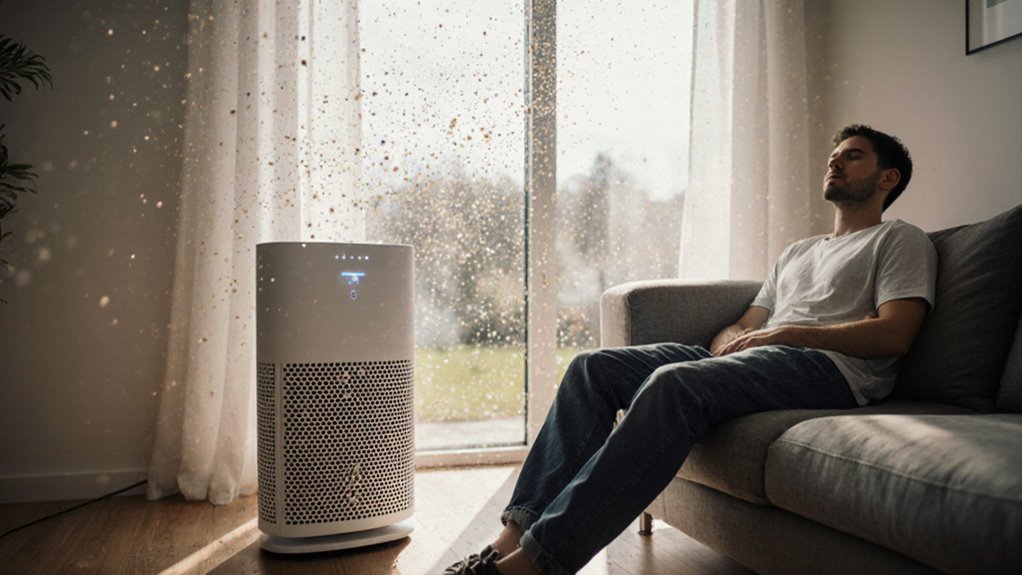

Yes — a true HEPA air purifier can reduce airborne pollen indoors. Effectiveness depends on choosing the right unit size and strong airflow to cycle room air frequently. Proper placement away from walls and obstructions helps capture pollen more efficiently. Sealing gaps and keeping windows closed during high pollen counts boosts performance. While not a cure for all allergy triggers, a well-selected purifier can noticeably improve indoor air quality.
Do Air Purifiers Help Remove Pollen?
Yes, air purifiers can help remove pollen, and that relief can feel like a small breath of peace on a rough allergy day. Whenever you match the unit to your room, you give yourself a better chance at calmer breathing.
During seasonal timing, pollen can slip in through doors, clothes, and pets, so steady use matters. A purifier also helps whenever pet dander and pollen share the same space, because less stuff floats around to bother you.
It works best whenever airflow patterns let it pull air across the room, not into a corner. Keep room clutter low, too, since crowded spaces can block circulation and let particles linger.
For you, that means a cleaner bedroom, fewer surprises, and a little more comfort at home.
How Air Purifiers Trap Pollen
Once pollen drifts into your home, a HEPA air purifier traps it via pulling room air through dense filters that act like a very fine net.
You get help fast because the fan keeps moving air, and the filter’s tiny paths catch pollen before it reaches your nose. As the air twists through the purifier, airflow behavior push particles into the fibers, while fiber electrostatic attraction helps hold them there. That means the pollen doesn’t just pass by and settle somewhere else. Instead, it stays inside the unit until you replace the filter.
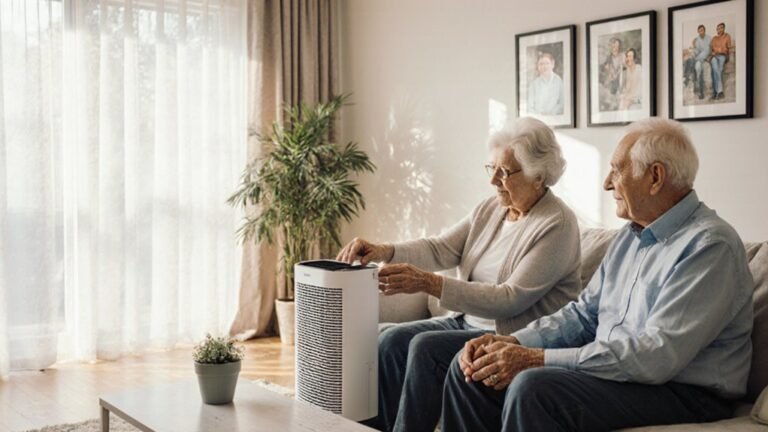
Should you keep the purifier running near your bed, you can breathe easier with your people nearby, even on rough pollen days. Small comforts matter, and clean air can feel like a quiet win.
Which Filters Work Best for Pollen
Whenever you want the best relief from pollen, a true HEPA filter is usually your strongest choice because it traps tiny particles before you breathe them in.
You’ll also want a purifier with a CADR that fits your room, since a strong filter can only help provided the unit moves enough air.
Other filters can help in a pinch, though HEPA gives you the most reliable protection on high-pollen days.
HEPA Filter Benefits
Because pollen sneaks indoors so easily, the filter inside your air purifier matters a lot. A true HEPA filter traps tiny pollen grains before they reach your nose, so you can breathe easier at home and feel like you’re not fighting spring alone. That steady cleanup can support filtered sleep and perhaps even help with medication reduction over time.
| Benefit | What You Feel | Why It Matters |
|---|---|---|
| Less pollen in air | Calmer nose | You rest better |
| Cleaner bedroom air | Fewer wake-ups | You feel included |
| Strong capture rate | Less sneezing | You stay comfortable |
| Night use | Easier breathing | Sleep feels safer |
| Ongoing filtration | More control | You worry less |
Place the purifier near your bed and keep it running so your room stays a safe little refuge.
Best Filter Types
For pollen, not every filter works the same, so you’ll want to focus on true HEPA initially. It traps tiny grains before they reach your nose, and that can make your room feel like a safe zone whenever the count spikes. Add washable prefilters next, because they catch bigger fluff and help your main filter last longer.
- A bedroom purifier hums beside your bed like a quiet teammate.
- Curtains stay still while dust and pollen get pulled away.
- Fresh air feels clearer when you breathe in at night.
Some units also use electrostatic precipitators, but those can miss the mark provided they don’t pair with HEPA-level capture. So, should you want steady relief, choose a true HEPA system with a solid prefilter and keep it running.
Choose the Right Air Purifier Size and CADR
Choosing the right air purifier size matters more than most people believe, especially on high pollen days, and fortunately you don’t need a huge machine to get real relief.
Initially, match room sizing to the purifier’s CADR, so the unit can clean your space fast enough. In case the CADR is too low, pollen lingers and you keep breathing it in. A good rule is to pick a model rated for your room or a bit larger, especially for bedrooms.
Next check fan speed, since higher speeds move more air and help clear pollen sooner. You can still use a quieter setting once levels drop.
Whenever you choose well, your purifier feels like part of your team, not a weak gadget trying to keep up.
Place Your Air Purifier for Better Results
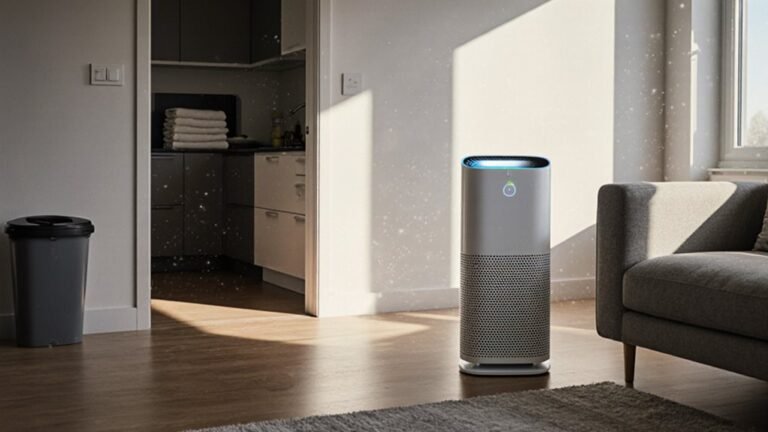
Whenever you place your air purifier in the right spot, it can do a much better job of cutting pollen where you actually breathe.
Put it near your bed if nights hit you hardest, because bedside placement helps clear the air while you rest.
Keep it in an open area, not tucked behind curtains or furniture, since corner obstruction can block airflow and leave pollen drifting around.
- Envision the unit standing clear beside your pillow, humming softly.
- Picture fresh air moving past your face instead of pooling near the wall.
- See dust and pollen getting pulled in before they settle on your sheets.
Move it a little away from walls, keep doors closed when you can, and let the fan face the room.
That small setup helps you feel like your space is on your side.
What Air Purifiers Won’t Fix
An air purifier can make a bedroom feel calmer on high pollen days, but it can’t solve every source of sneezing and congestion.
It won’t clear symptoms from chemical odors, smoke, or a damp room with mold growth.
It also can’t stop pollen that clings to your hair, clothes, or bedding, then rides back into the air when you move around.
If your purifier is too small for the space, you might still breathe irritating air and feel let down.
That’s frustrating, and you’re not imagining it. A good filter helps with airborne pollen, but it has limits.
Simple Ways to Reduce Indoor Pollen
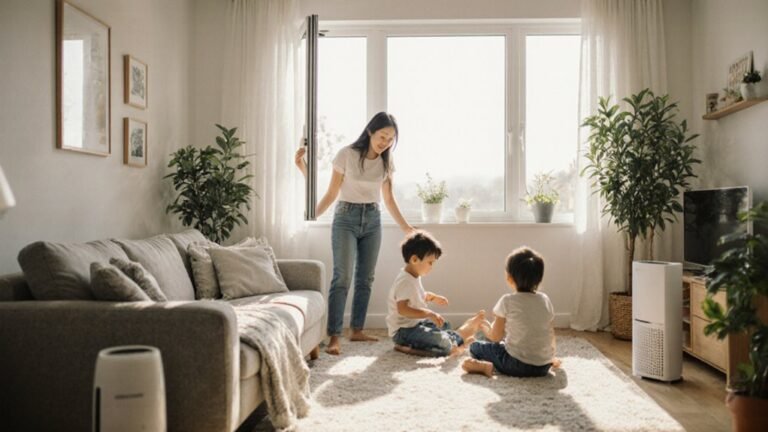
Right inside your home, a few small habits can make a big difference on high pollen days. Close windows and doors, then let your purifier work while you settle in. It helps to consider your bedroom as a clean-air zone, where you can breathe easier and rest better.
- Shake off jackets near the entryway.
- Shower beforebed so pollen doesn’t hitch a ride onto sheets.
- Wipe pets’ paws before they sprint across the rug.
Next, switch clothes after coming in from outside and toss them in a hamper, not the bed. Vacuum with a HEPA filter, and dust with a damp cloth so particles don’t rise again. These steps won’t make pollen vanish, but they do lower what floats around you, and that can feel like a relief upon your nose is already working overtime.
Frequently Asked Questions
How Long Should I Run an Air Purifier on High Pollen Days?
You should run it continuously on high pollen days, like giving your room a nonstop pollen shield. Use increased fan speed during peak hours, keep it on while you are home, and sleep easier with your crew.
Do Air Purifiers Help With Pollen in Bedrooms Overnight?
Yes. If you place a true HEPA purifier in your bedroom, run it all night, and use a higher fan speed, you will cut airborne pollen while you sleep, easing overnight symptoms and helping you rest.
Can a Purifier Reduce the Need for Allergy Medication?
Yes, your purifier can lower medication needs by improving symptom management. It traps airborne pollen, reduces nightly exposure, and could help you rely less on pills. You’ll breathe easier, feel supported, and rest better.
How Often Should HEPA Filters Be Replaced During Pollen Season?
Replace your HEPA filter during pollen season every 6 to 12 months, or sooner if the filter lifespan decreases and replacement indicators show loading, weaker airflow, or worsening symptoms. This will help keep your room feeling fresher.
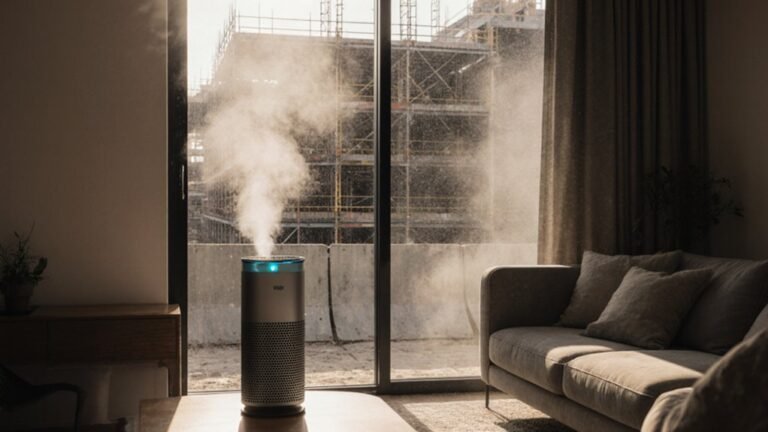
Will an Air Purifier Work if Windows Are Kept Open?
No, you won’t get much benefit with a window open. You’ll pull in outdoor pollen, create a constant influx, and cause airflow loss. Close windows, run the purifier continuously, and you’ll breathe easier together.