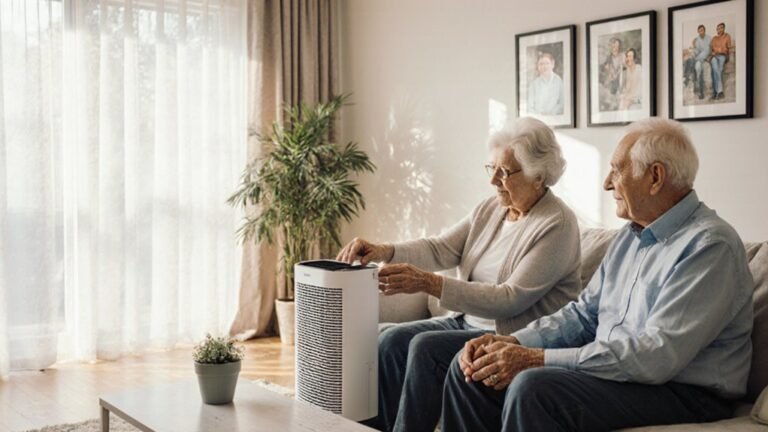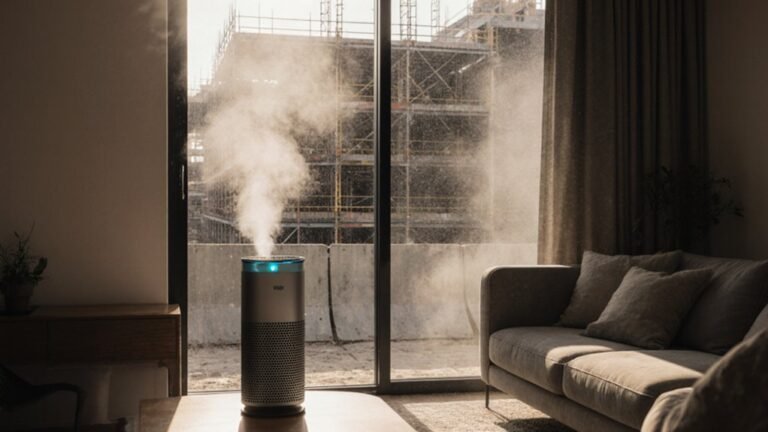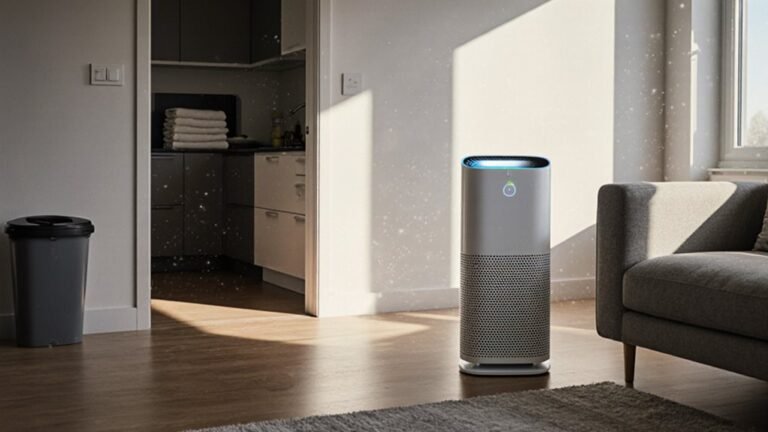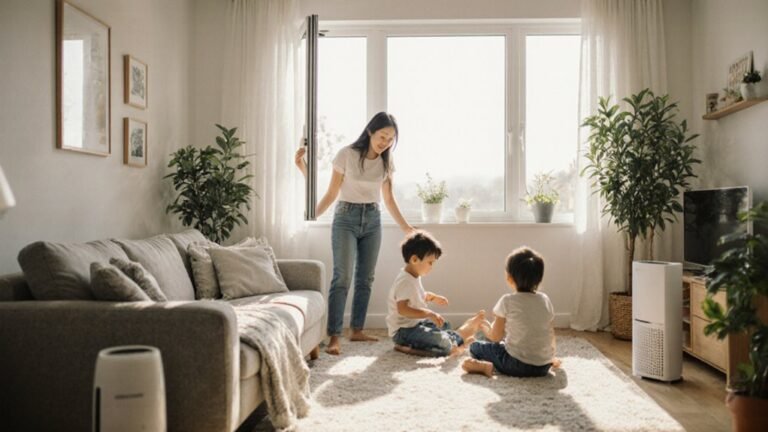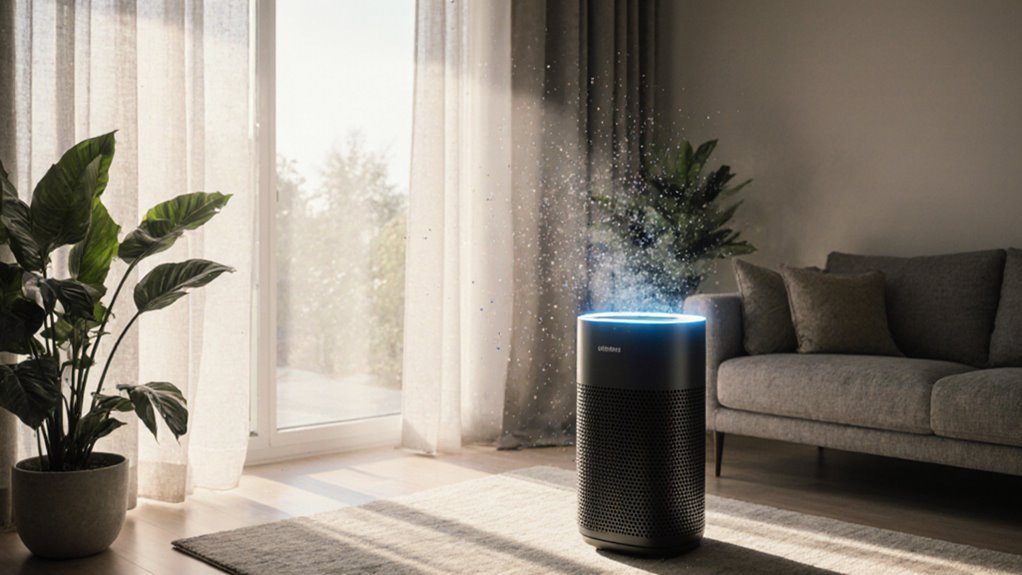

Yes — an air purifier can reduce VOCs when it uses the right filtration. Standard HEPA units remove particles like dust and smoke but do not capture most gases. Choose a purifier with a substantial activated carbon or other sorbent filter to adsorb VOC molecules. Filter capacity and airflow determine how effectively VOCs are reduced in a room. Ventilation and source control remain essential to lower VOC levels further.
Can Air Purifiers Remove VOCs?
Yes, air purifiers can remove some VOCs, but not all of them do it well. You’ll get the best help from units with thick carbon media or chemisorptive filters, especially whenever material off gassing is active.
Still, you should pair the purifier with behavioral interventions like opening windows, airing out new furniture, and cutting the source. That mix matters more than fancy claims.
Check sensor calibration provided your monitor seems off, because bad readings can make you feel lost in your own room. Also, legal standards for indoor air devices don’t always prove strong gas removal, so read evaluation data closely.
At the point that you choose carefully, you’re not alone in this. You’re building a cleaner space that fits your life and gives your lungs a fairer break.
What VOCs Are and Why They Matter
VOCs, or volatile organic compounds, are gases that come from everyday things like paint, cleaners, new furniture, and even some building materials. You breathe them in at home, and that can feel unfair when your space should help you rest. These indoor sources matter because they can build up quietly and affect how you feel day to day.
| VOC source | Why you might care |
|---|---|
| Fresh paint | Can trigger headaches |
| New furniture | Can add lingering odors |
When VOC levels rise, your health risks can grow, especially in case you already have asthma or a sensitive nose. You don’t have to ignore that worry. Grasping these gases helps you choose better air care and feel more at ease in the room you share with family, friends, or just yourself.
How Activated Carbon Captures VOCs
Activated carbon works like a quiet sponge for certain air pollutants, and that can feel reassuring whenever your home has stubborn odors or chemical smells.
You breathe easier whenever its tiny pores trap VOC molecules through porous adsorption, pulling them off the air and holding them inside the filter.
The magic isn’t just size, though. Surface chemistry also matters, because it helps carbon attract different gases more strongly.
So, a filter with more carbon and better pore structure usually gives you better capture.
Still, you’ll get the best results whenever you match the media to the smell or compound you want to reduce.
Provided you replace saturated filters on time, you keep that capture going and help your space feel fresher, calmer, and more like home.
Why HEPA Filters Don’t Remove VOCs
A HEPA filter can do a great job with dust, pollen, pet dander, and smoke particles, but it can’t grab most VOCs because VOCs are gases, not solid bits floating in the air. That’s why your filter mechanics and particle capture work for visible and tiny specks, yet VOCs slip through like a whisper. | What it catches | What it misses |
| — | — |
|---|---|
| Dust | Gas fumes |
| Pollen | Paint odors |
| Smoke particles | Cleaning vapors |
Even electrostatic precipitators and ion generation mainly help with particles, not these drifting gases. So should you be hoping to breathe easier in your own space, you’re not missing something obvious. HEPA isn’t broken; it’s built for a different job. Once you know that, you can choose support that fits your home and your crew better.
Which Air Purifier Features Matter Most?
Whenever you’re choosing an air purifier for VOCs, the most vital feature is the gas-phase filter, not the fan speed or the badge on the box.
You want enough media mass, because a thin carbon layer fills fast and lets odors slip back into your space. You also want strong contact time, so the air lingers with the media long enough to stick.
Look for activated carbon or impregnated carbon, especially in case you share your home with paint fumes, cleaners, or new furniture smells.
Then check for a sealed cabinet, because leaks waste effort.
Finally, replace cartridges on schedule. Should you do so, you keep the purifier doing its job, and you give yourself a cleaner room that feels easier to breathe in every day.
Which VOCs Do Air Purifiers Handle Best?
Some VOCs are much easier for air purifiers to grab than others, and that can take a load off your mind whenever the air feels full of harsh smells. You’ll usually see the best results with larger, less polar compounds like toluene and xylene, because their adsorption kinetics fit carbon media well and they stick without much drama.
- Activated carbon often handles paint odors and solvent fumes best.
- Impregnated media can do better with formaldehyde and other tricky gases.
- Strong airflow helps only if the purifier still gives gas enough contact time.
That’s where compound specificity matters most, because your purifier should match the VOCs in your space. Small, fast-moving aldehydes can slip through more easily, while heavier aromatic compounds tend to linger on the filter. Whenever you choose the right media, you give your home a calmer, more welcoming feel.
What Limits VOC Removal Indoors
Even the best VOC-hunting purifier can run into limits indoors, and that’s where the real story starts. You might notice that indoor chemistry keeps changing the target. New cleaners, paint, cooking, and furniture can release fresh gases while your purifier works.
Some VOCs are small and slip past plain carbon more easily. Others bind better, but only until the media fills up. Then capture slows, and a bit can leak back out. Humidity effects matter too, because moist air can crowd the pores and cut adsorption.
Airflow also shapes results, since poor mixing leaves pockets of polluted air untouched. So you’re not failing when results vary; your space is complex. With mixed pollutants and changing conditions, VOC removal indoors is always a moving target, not a simple switch.
How to Choose the Right Air Purifier
Start through matching the purifier to the VOCs you actually want to remove, because that choice makes a big difference. You’ll feel more confident once you pick a unit with real gas-phase media, not just a thin carbon layer. Look for enough activated carbon or impregnated media, and ask for media analysis that names the compounds it handles best, like formaldehyde or toluene. Then check maintenance schedules so you know before long to replace the cartridge before it gets tired and lets odors slip back.
- Choose compound-specific data, not vague promises.
- Favor stronger media over flashy features.
- Make replacement easy, so you’ll keep up with it.
Once you shop with people like you in mind, you’re not just buying a machine. You’re joining a smarter, calmer way to breathe at home.
Where to Place Your Air Purifier
The room’s layout matters more than people believe. You’ll get better VOC removal when your purifier can pull air from where you actually breathe. Place it near your usual sitting or sleeping spot, but keep a little space around it so air can move freely. Proximity to occupants helps the unit treat the air you use most, yet it shouldn’t sit so close that it feels noisy or in the way.
Next, consider corner placement only provided the corner still leaves open flow on all sides. Don’t hide it behind curtains, furniture, or shelves, because blocked intake cuts performance fast. In larger rooms, set it between the main VOC area and you, so it can keep circulating cleaner air where you need it most.
How to Reduce VOCs at the Source
The best way to lower VOCs is to cut them off before they spread through your home.
You can pick low-VOC paints, floors, and finishes, then open windows and use fans during renovations to push fumes outside.
Also, store cleaners, fuels, and other chemicals tightly sealed so they don’t keep releasing vapors into your air.
Choose Low-VOC Materials
Choosing low-VOC materials is one of the smartest ways to cut indoor air pollution before it even starts, because every product you bring home can either add to the problem or help keep it in check.
You don’t have to guess your way through it. Start with low voc paints, sealants, and adhesives that list clear emissions data. Then look for certified flooring, cabinets, and furniture made to release fewer fumes.
- Check labels for trusted third-party certifications.
- Choose solid wood or low-emission composites whenever you can.
- Let new items air out in a separate space provided necessary.
Whenever you build with safer materials, you make your home feel calmer and more welcoming for everyone inside.
That choice lowers stress, supports cleaner air, and helps you breathe easier without depending so much on cleanup later.
Vent During Renovations
Even while you pick low-VOC paints and finishes, renovation work can still send fumes into your home fast, so fresh air has to do part of the heavy lifting. You can open windows, run fans, and use temporary ventilation to push air out while you work. That helps you and everyone else in the home breathe easier.
| Step | What you do |
|---|---|
| 1 | Open windows on opposite sides |
| 2 | Run a box fan facing out |
| 3 | Use renovation sequencing to finish one room at a time |
| 4 | Keep doors closed to limit spread |
When you plan jobs in order, you keep fresh air focused where it’s needed most. That simple rhythm helps your home feel calmer, and it makes the whole crew feel included, not swamped.
Store Chemicals Safely
Storing chemicals with care can cut VOCs at the source before they ever drift through your home. You don’t need a perfect setup, just a calm, steady routine that keeps fumes where they belong. Good chemical storage starts with tight lids, cool spaces, and a spot away from sunlight or heat.
- Keep paints, cleaners, and solvents in one cabinet with label organization.
- Check caps and lids each time, so leaks don’t sneak up on you.
- Move old products out fast, because clutter invites stronger odors.
Next, separate harsh items from everyday supplies. This helps you grab the right product and skip accidental spills. Whenever you store things safely, you protect your air and make your home feel more like your team’s space.
How Do You Know It’s Working?
So, how do you know whether your air purifier is actually helping with VOCs? Start with sensor verification, but don’t lean on a cheap TVOC gadget alone.
Check whether odors fade, headaches ease, or eyes feel less irritated over a few days. Those occupant perceptions matter because your body often notices change before a meter does.
Then compare the purifier’s performance data with your room size and the VOCs you’re managing with. Provided the unit uses real gas-phase media, you should notice steadier improvement, not a quick burst that disappears.
Keep the purifier running where you spend time most, and look for consistent comfort. In the event the air feels calmer and the smells don’t bounce back, you’re likely on the right track.
Common Mistakes When Targeting VOCs
As you target VOCs, one common mistake is treating every air purifier like it works the same way. You can fall for the Overreliance illusion and expect a thin carbon filter to fix strong fumes from paint, cleaners, or new furniture. That’s where letdown starts.
- Choose units with enough gas-phase media for your room.
- Match the filter to the VOCs you actually have.
- Replace cartridges on time so captured gases don’t slip back out.
Maintenance neglect also hurts you. Once the media is full, the purifier can’t keep up, and you might still breathe the same smell. So pair your cleaner with source control and fresh air. That way, you aren’t guessing alone, and your space feels safer for everyone in it.
Frequently Asked Questions
Can Air Purifiers Create Harmful By-Products While Removing VOCS?
Yes, you can get harmful by-products while removing VOCs. Ozone emissions and secondary pollutants can form with reactive purifiers, so you should choose evaluated gas phase filters, maintain them well, and keep ventilating your home.
How Often Should VOC Filter Media Be Replaced?
You should replace VOC filter media as soon as its filter lifespan ends, usually every 3 to 12 months, but follow the replacement schedule from your unit’s manual and monitor odors or reduced performance so your home stays welcoming.
Do Ozone-Based Purifiers Work Better Than Carbon Filters for VOCS?
No. Ozone generators usually will not beat carbon filters for VOCs. You will likely get safer, steadier removal from thick carbon or catalytic converters. Ozone can create harmful byproducts, so you are better off choosing adsorption and ventilation.
Can Humidity Reduce a Purifier’s VOC Removal Performance?
Yes. High humidity can reduce your purifier’s VOC removal performance because moisture competes for adsorption sites, lowering adsorption efficiency and speeding filter saturation. You will get better results with drier air, strong ventilation, and timely media replacement.
Are TVOC Sensors Reliable for Checking Purifier Effectiveness?
No, you should not trust TVOC sensors alone; they are more weather vane than compass. Your sensor accuracy depends on calibration needs, humidity, and mixed gases, so use them for trends, not proof your purifier is truly working.