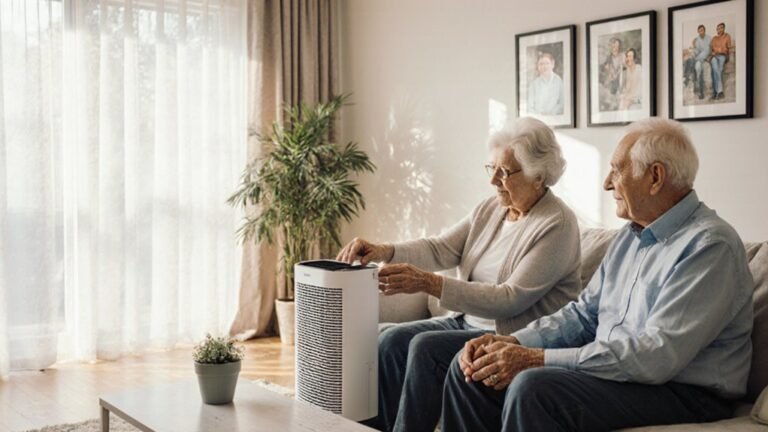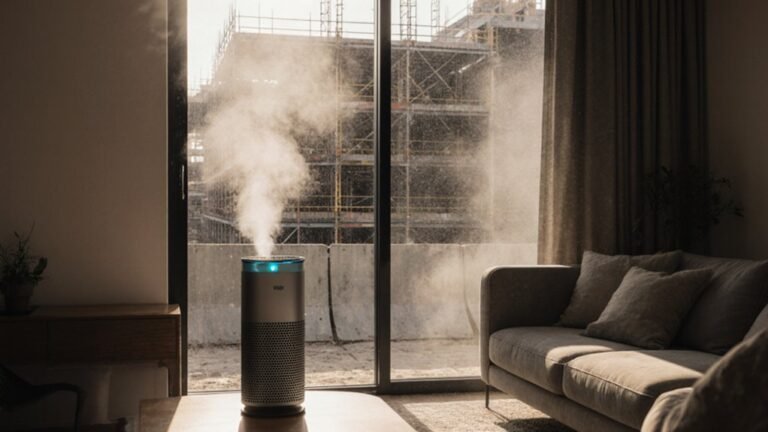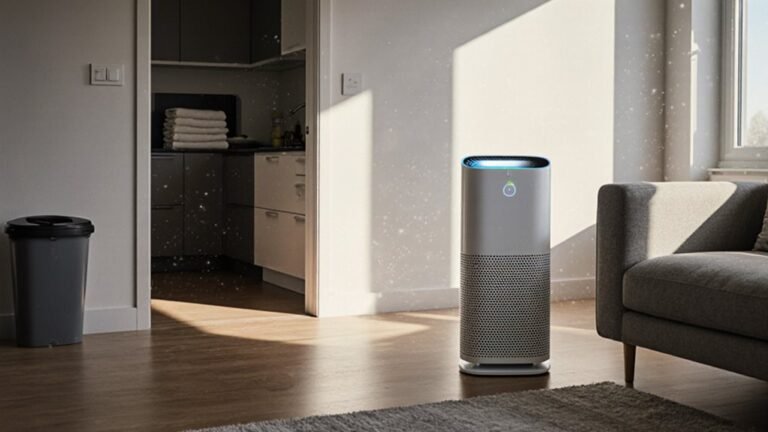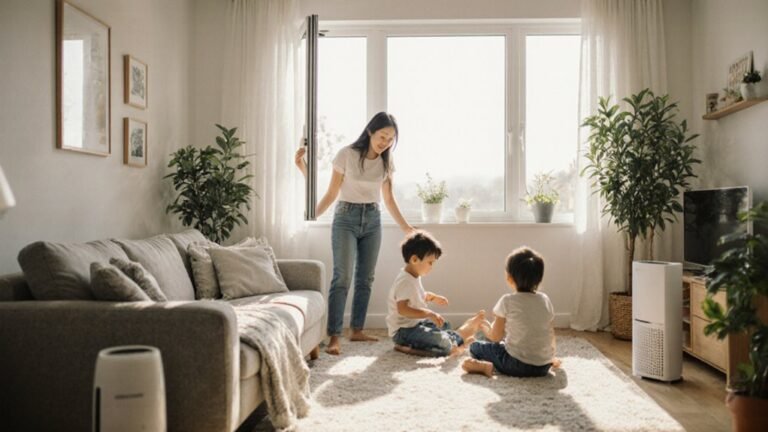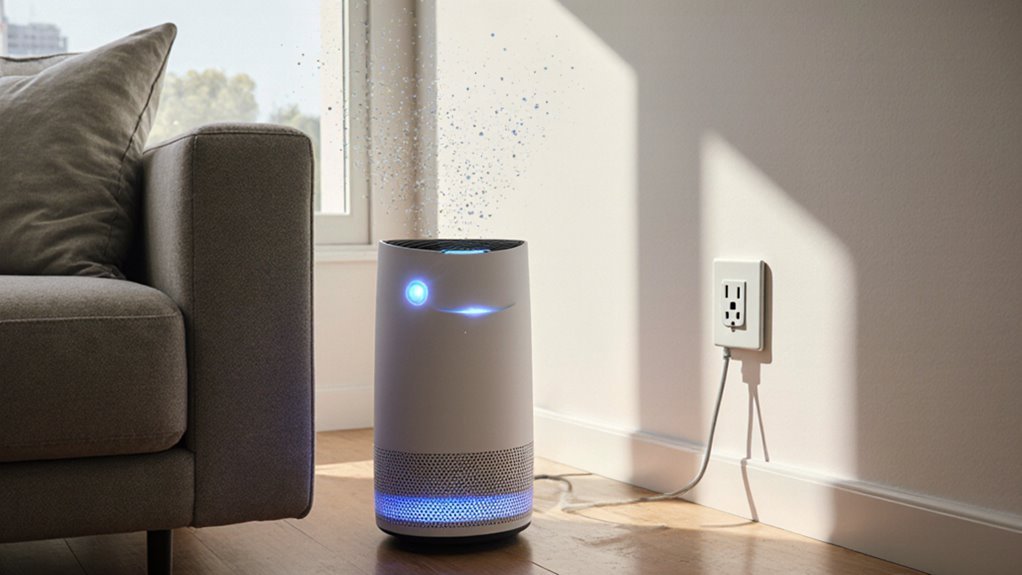

Air purifiers do not usually cause big jumps in electricity bills. Most residential models draw about as much power as a small fan or a bright light bulb. Monthly running costs for typical units often total only a few dollars, depending on usage. Energy use varies by unit size, fan speed, and extra features like heaters or ionizers. Choosing the right settings and model keeps indoor air clean without wasting energy.
Do Air Purifiers Use a Lot of Electricity?
Usually, an air purifier doesn’t use a lot of electricity, so you can breathe easier without worrying too much about your power bill. Most portable models pull about 20 to 100 watts, which is close to a standard light bulb. That means you can enjoy real health benefits while keeping energy use modest.
In case you run a 50 watt unit all day, it might add only a few dollars each month. Still, bigger units and extra features can use more power, so noise levels and fan speed matter too. Whenever you use auto mode, match the size to your room, and keep filters clean, you help your purifier work smarter. That way, you feel supported by cleaner air every day.
How Much Does an Air Purifier Cost to Run?
Figuring out what an air purifier costs to run can feel a little tricky at initially, but the math is usually kinder than people expect.
A typical unit uses about 30 to 100 watts, so a 50 watt purifier running all day uses about 1.2 kWh and costs around $4.68 a month at average U.S. rates. Should you pick a stronger model, the bill can climb, but you still can fit it into your budget with a little planning.
Your real cost often stays lower because auto and sleep modes cut power, and quiet noise levels usually go with lower fan speeds.
Whenever you use smart placement tips, you also help the purifier work well without extra strain.
To estimate yours, multiply watts, hours, days, and your rate.
What Makes an Air Purifier Use More Power?
An air purifier uses more power whenever you choose a bigger room-size model or one with a higher CADR, since its fan has to move more air to do the job.
It also pulls more electricity on high fan speeds, whenever extra features like UV or ionizers run, or whenever dirty filters make the motor work harder.
Even runtime matters, because a unit that runs longer will use more total energy, while smart modes can help trim that down.
Room Size And CADR
The room you place an air purifier in makes a big difference in how much electricity it uses, because bigger spaces need more clean air pushed through them to get the job done well. You should match the unit to your room dimensions so it doesn’t strain.
A purifier with too little CADR for your square footage might run nonstop at high speed, and that means more watts, more wear, and more noise tradeoffs than you probably want. Whenever you choose the right CADR for smoke, pollen, or dust, the purifier can reach the needed air changes faster and with less wasted power.
That’s why a smaller unit that still fits your space often saves electricity. You’ll get steadier comfort, and your room will feel cleaner without the extra energy drag.
Filters, Modes, And Runtime
Provided that you want to know what really makes an air purifier use more power, start with the fan speed and how long it runs, because those two choices do most of the heavy lifting. Whenever you set a higher speed, you push the motor harder, and power use climbs, often toward the top of the 5 to 100 W range. Should you run it all day, that adds up fast.
A typical 50 W unit uses about 1.2 kWh daily, or roughly $4.68 a month at $0.13 per kWh. Dirty filters raise workload, so your filter lifespan improves whenever you keep up with cleaning frequency and replace HEPA or pre-filters on time. Smart modes help too, because they enhance speed only whenever your air really needs it, which keeps you and your space breathing easier.
Does Room Size Affect Air Purifier Energy Use?
Yes, room size can make a real difference in how much electricity an air purifier uses. In a big room, you usually need a higher-CADR unit with a stronger fan, so it pulls more watts.
Should you use a purifier that’s too small, it might stay on high speed more often, and that can raise energy use and wear. For a better fit, check the coverage area, ceiling height, and max wattage before you buy.
Good placement strategies also help the unit move air more easily, and that can support zoning benefits in larger homes. In a smaller room, a larger unit could run softly and use fewer watts.
To estimate monthly energy, employ watts divided by 1,000, then multiply by hours and days.
How Does CADR Affect Power Draw?
CADR tells you how much cleaned air your purifier can move, so a higher CADR usually means a stronger fan and a bit more power use.
When you match CADR to your room size, you can avoid pushing a small unit at full blast all day, which helps save energy and reduces wear.
In many cases, a purifier with higher CADR can actually use less electricity in your room because it can run at a lower speed while still doing the job well.
CADR And Room Size
Whenever you match an air purifier’s CADR to your room size, you can usually keep the fan speed lower and the power use more reasonable.
You’ll want the best CADR for your space, because a smart placement strategy starts with the square footage, not guesswork.
Should the unit be too small, it could work hard all day, and that steady strain can waste energy.
Should it fit the room well, it can clear the air with less effort and fewer watts.
In a bedroom, office, or family room, check the CADR for smoke, dust, or pollen, depending on what bothers you most. Then choose a model that reaches several air changes per hour without overdoing it.
That way, you and your purifier stay in sync.
Higher CADR, Higher Draw
A higher CADR usually implies a purifier moves more air each minute, and that extra airflow often requires a stronger fan and more power.
You’ll often see this in large-room units, where max draw can reach 60 to 180+ watts, while small-room models might use only 20 to 50 watts.
That doesn’t mean you’re stuck with big bills. Whenever you pick a CADR that fits your space, you can often run the purifier at a lower speed and cut watts used.
Higher CADR can also clear your room faster, so runtime could drop. Still, you should compare CADR and rated watts together. That way, you can spot better clean-air output per watt without getting surprised through fan noise or design tradeoffs.
Balance Speed And Efficiency
Whenever you match the purifier’s CADR to your room, you can usually keep power use in check without relinquishing clean air. As you pick the right size, the fan does less hard work, so you get better fan optimization and fewer noise tradeoffs. A high-CADR unit in a small room can often coast at lower speeds, and that means fewer watts and a calmer hum.
In contrast, an undersized purifier might sprint at max power just to keep up. Look at max-wattage numbers as peak use, not everyday use, since sleep and low modes often draw far less. Smart auto modes help too, because they raise airflow only as required. Keep filters clean and vents open, and you’ll protect CADR without asking the fan to strain.
Do Fan Speed and Runtime Increase Costs?
Yes, fan speed and runtime can raise your air purifier’s electricity use, but the jump is often smaller than people fear. You still have control, and that can feel good whenever you want clean air and a calmer home.
- High speed uses more power, often far more than low or sleep mode.
- Longer runtime adds up, because every extra hour consumes more energy.
- Auto mode helps insofar as it eases off once air is already cleaner.
- A smart placement strategy and lower noise levels can let you run it longer without cranking it up.
If you want steady comfort, a steady low setting often beats quick bursts at full blast. That way, you stay part of the clean-air crowd without making your purifier work harder than it needs to.
What Does It Cost to Run One Monthly?
Provided that you keep your air purifier running all month, the cost is often smaller than you could expect, and that can be a relief whenever you’re trying to breathe easier without stressing your budget.
A typical 50 watt unit uses about 36 kWh in 30 days, which adds up to roughly $4.68 at the U.S. average rate. Should you use a stronger 100 watt model, you could see $12 to $15 a month, while very efficient units under 30 watts can stay near $2 to $5.
Your real bill could drop with auto mode, lower speeds, or seasonal usage. In case your utility offers energy rebates, they can trim the cost even more.
To estimate your own amount, multiply watts, hours, and your local rate.
What Does 24/7 Air Purifier Use Cost?
Provided that you run your air purifier all day and all night, the cost often stays pretty modest. A 50-watt unit usually uses about 1.2 kWh a day, which can land near $4.68 a month at average U.S. rates, whereas bigger models and higher local prices can push that number up.
You may keep the bill lower through choosing an ENERGY STAR model, using smart sensors, and checking your own wattage and electricity rate for the most accurate estimate.
24/7 Cost Estimate
Whenever you run an air purifier all day and night, the cost is usually lower than most people expect. For most homes, that can feel like a small win, especially whenever you want clean air and nighttime savings.
- A 50 watt purifier uses about 36 kWh a month.
- At $0.13 per kWh, that’s about $4.68 monthly.
- A 100 watt model can reach about $9.36 monthly.
- Energy-saving modes can trim that number during seasonal usage.
If you want your own estimate, multiply watts by 24 hours, then by 30 days, and divide by 1,000. After that, apply your local rate. That simple math helps you see where you fit in, without guesswork or stress.
Power Use Factors
A 24/7 air purifier usually costs less to run than many people fear, but the real price depends on a few key things. Your unit’s wattage, fan placement, seasonal adjustments, and filter health all shape the bill. A 50 W purifier uses about 1.2 kWh a day, or about $4.68 a month at average rates. Bigger models can cost more.
| Factor | 24/7 Effect |
|---|---|
| 50 W unit | about $4.68/month |
| 180 W unit | about $17/month |
| Lower fan speed | lower draw |
| Auto or sleep mode | less power |
| Clean filter | easier airflow |
When you choose a room-sized model and keep airflow clear, you’re not alone in wanting comfort without surprise costs.
Ways To Save Energy
Now that you know the power draw can stay fairly low, the next question is what that means for your electric bill and how you can keep it even lower. A 50 W purifier running all day uses about 36 kWh a month, or around $4.68. Bigger models can cost more, so your choices matter.
- Use smart scheduling and let the purifier run only while you’re home.
- Pick auto or sleep mode, then lower the fan speed at night.
- Clean filters often and choose eco friendly filters that fit your room.
- Match the CADR to your space, so the unit doesn’t strain.
These small moves help you keep clean air without feeling like your bill joined the party.
How Do Air Purifiers Compare With Other Appliances?
Compared with the appliances that usually drive up your electric bill, an air purifier is pretty modest. You’re usually looking at 5 to 100 watts, and many models sit around 30 to 60 watts, like a laptop or ceiling fan. In case you run a 50 watt purifier all day, you could add about $4.68 a month. That’s a small bump compared with a fridge or your heating and cooling system.
Even larger units still use far less than dishwashers or dryers. ENERGY STAR and smart sensor models can trim power with auto or sleep modes. So you can pay attention to noise levels and placement tips without worrying that your purifier is quietly draining your budget.
Which Air Purifier Features Use More Power?
The positive aspect is that most air purifiers don’t sip power in the same way a space heater does, but some features can nudge energy use upward more than others. Your fan motor does most of the work, and higher variable speeds or stronger CADR settings pull more watts.
- Basic fan power often lands around 33 to 68 W for many home units.
- UV lights and ionizers add a modest extra load.
- Heaters or cooling parts can raise use a lot, so they stand out quickly.
- Smart scheduling, auto mode, and timers help the unit ease back once air is cleaner.
If you keep the filter clean, you also avoid extra strain. That way, your purifier feels like part of the room, not a power-hungry guest.
How Can You Lower Air Purifier Costs?
To keep your air purifier from quietly adding to your utility bill, start instead of letting it work smarter, not harder. You can cut costs through using auto, sleep, or eco modes, because they often drop power use from 50 to 30 watts or less.
Match the purifier to your room, so it can clean the air without running at full blast all day. Smart timers also help you avoid wasted hours whenever nobody’s home.
Assuming you know your rate, you can estimate spending with a simple formula, and a 50 watt unit could cost only about $4.68 a month. Keep the unit near the pollutant source and not behind furniture, so it works alongside you, not against you.
How Do Filters and Maintenance Affect Electricity Use?
Even a clean air purifier can lose some of its easy-breathing rhythm once its filter starts to fill up. Whenever you stay on top of care, you help it keep its calm, steady hum and save power too.
- A clogged filter raises airflow resistance, so the fan motor works harder and uses more wattage.
- A clean prefilter and a HEPA filter changed on your maintenance schedule keep air moving freely.
- Should a HEPA filter be overdue, a 30 to 60 W unit can pull more current and run its fan more often.
- Using the right filter, fitted correctly, protects filter lifespan and supports normal energy use.
You can also watch filter-change lights or pressure drop readings. That small habit helps you avoid slow, sneaky power creep and keeps your purifier feeling like part of the home team.
How Do You Pick an Efficient Air Purifier?
Provided that you desire an air purifier that won’t quietly nibble at your electric bill, start with the basics: pick an ENERGY STAR-certified model or one that clearly lists about 50 watts or less at normal speeds.
Next, match the CADR to your room, so you get 4 to 5 air changes per hour without forcing the unit to work too hard.
Then, look for smart sensors, auto mode, and solid sensor calibration, because those features let the fan ease up when the air is cleaner.
Also, check the wattage on low and high settings, then estimate your daily cost.
Finally, choose a unit with easy prefilters, simple HEPA swaps, and strong warranty coverage, so your group keeps breathing easy and spending less.
Frequently Asked Questions
How Much Does It Cost to Run a Small Air Purifier 24/7?
A small air purifier usually costs about $5 to $6 a month to run 24/7. Lower fan speeds can reduce that, and regular filter maintenance helps. Check noise levels too so you will feel comfortable keeping it on.