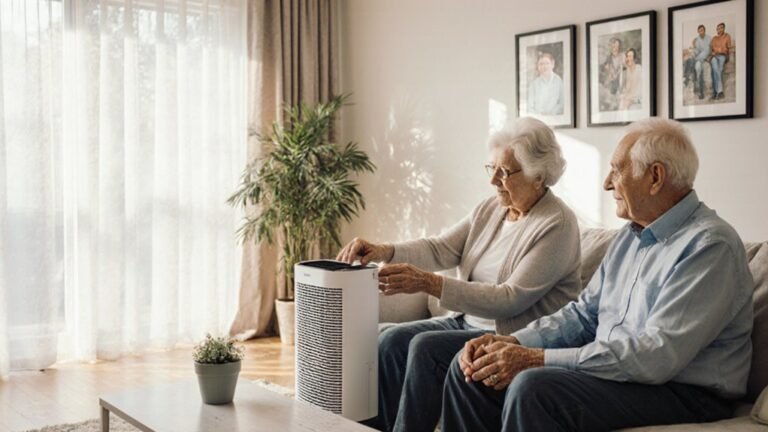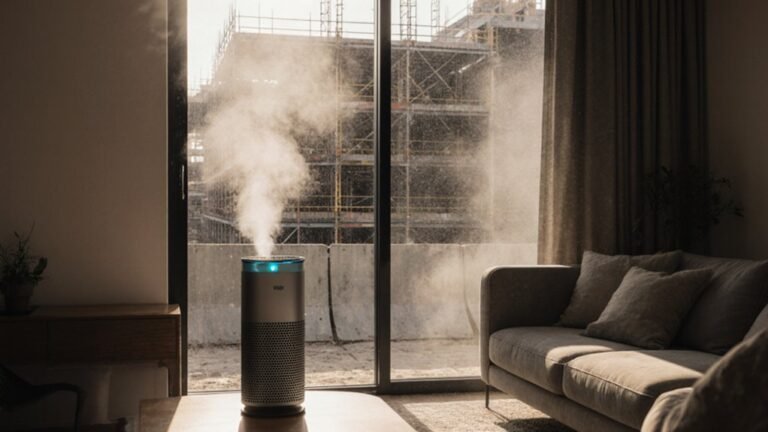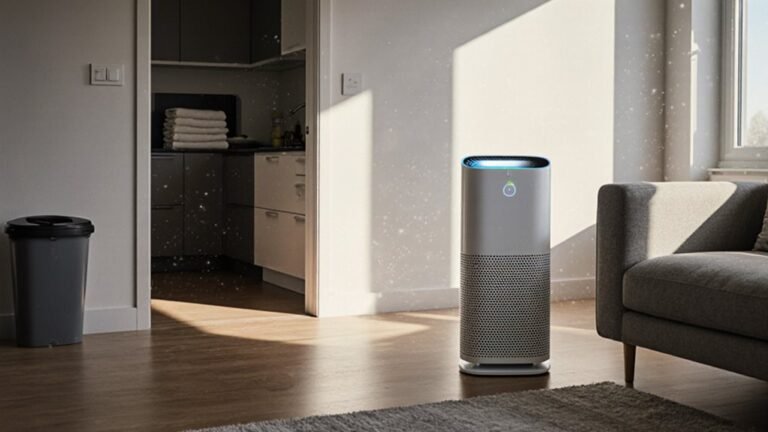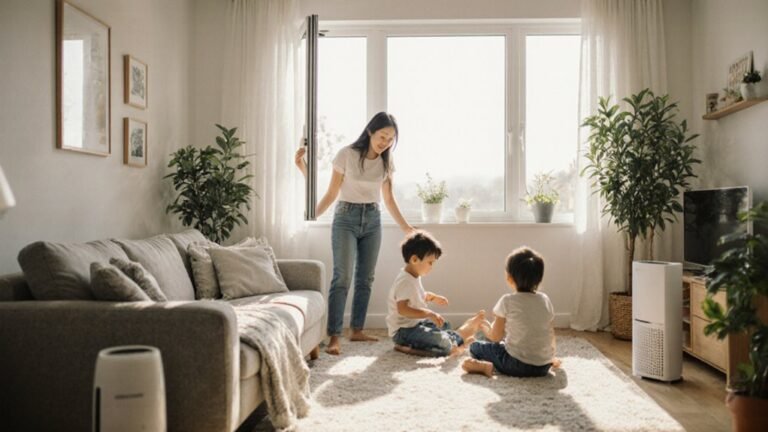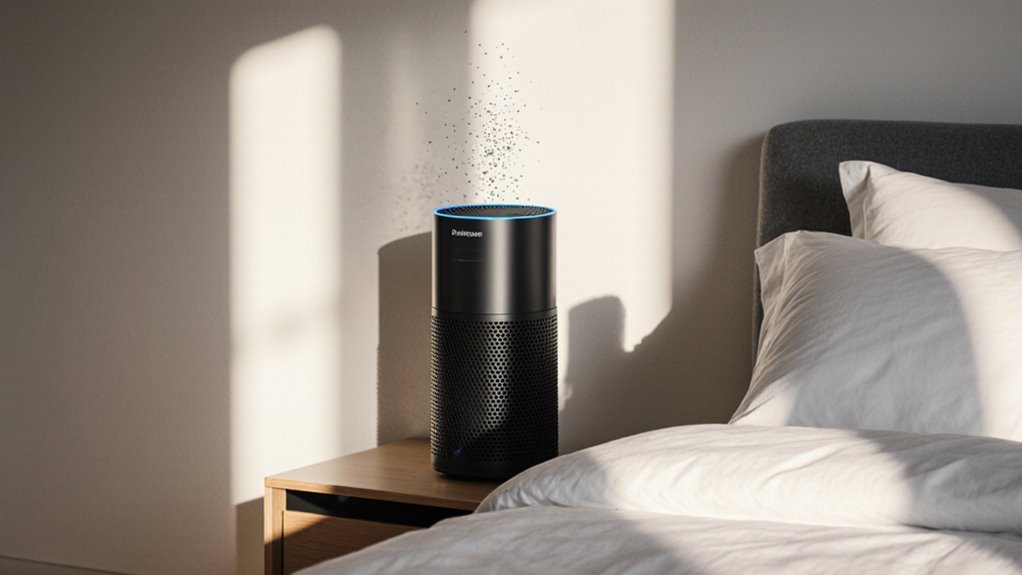

An air purifier cannot remove dust mites from fabrics, yet it does cut airborne allergen levels. It captures tiny particles from bedding, dust, and skin flakes before they resettle. That reduction matters most near the bed and during movement that stirs particles up. Filter type, room size, and placement determine how much allergen removal actually occurs. Running an appropriately sized purifier with a true HEPA filter delivers the clearest, most measurable relief.
How Air Purifiers Help With Dust Mite Allergens
Whenever dust mite allergies keep making your home feel like a trap, air purifiers can offer real relief by pulling tiny allergen particles out of the air before you breathe them in.
You get airborne capture through HEPA or similar filters, which snare tiny bits that ride on dust. As the purifier runs, continuous filtration helps lower what floats around your bedroom, so you can rest without feeling on guard.
It won’t erase mites in bedding or carpet, but it does cut the amount that slips into your lungs.
Whenever you place the unit near your bed and keep it on, you support cleaner air where you need it most. That steady help can make your space feel more like yours again, and that matters.
Why Dust Mite Allergens Stay Airborne
Dust mite allergens can stay airborne longer than you could expect, even after a room looks clean. Tiny bits from skin flakes, bedding, and dust break apart and float whenever you move, shake blankets, or vacuum. That’s because aerosol behavior keep light particles suspended, especially in still indoor air.
Particle resuspension also kicks in fast, so every step across the floor can send old dust back up.
- Bed-making stirs concealed debris.
- Walking near rugs lifts settled dust.
- Fans can spread particles farther.
- Dry air helps bits drift longer.
- Soft fabrics trap and release allergens.
Which Filters Capture Dust Mite Particles
Whenever you want to catch dust mite particles before they settle again, the filter matters more than the box around it.
You need a true HEPA filter because HEPA efficiency lets it trap tiny bits that carry allergens.
With smart Particle sizing, you can see why larger mite-laden particles are easier to capture than finer dust.
That matters in your bedroom, where those particles swirl after you make the bed or shake out linens.
A strong filter keeps pulling them from the air, so you breathe easier and feel less alone in the fight against symptoms.
Should your purifier employ a loose screen or weak media, it might move air without helping much.
For steady relief, choose a certified filter, match it to your room, and operate it near where you rest.
HEPA vs. Other Air Purifier Filters
Assuming you’re trying to breathe easier at home, the filter inside your purifier makes a bigger difference than the fancy shell around it. In a HEPA comparison, true HEPA usually gives you the safest bet because it traps tiny dust mite bits and other allergens very well. You can feel more at ease whenever the label is real, not vague.
- HEPA catches fine particles without drama.
- Electrostatic models can help, but results vary.
- Electrostatic tradeoffs include cleaning, noise, and ozone risk.
- Some non-HEPA filters work for bigger dust, not tiny allergy triggers.
- Good airflow matters, but filter quality still leads.
How Room Size Affects Purifier Performance
A room’s size can quietly change how well your purifier does its job. Whenever you match the unit to your room volume, you help it move cleaner air faster and more evenly.
In a small bedroom, the purifier can work like a steady teammate, lifting dust mite allergens from the air before they settle. In a larger space, weak airflow patterns can leave pockets untreated, so you might need a higher CADR or a second unit.
Place it where air can circulate, not tucked behind furniture, because good movement matters. Should you sleep with it nearby, you often get the most benefit where you need comfort most.
That simple fit can make your home feel calmer, cleaner, and easier to breathe in.
What Air Purifiers Can’t Remove
Your air purifier can help with floating allergens, but it can’t pull dust out of your couch, rug, or curtains.
It also won’t reach the concealed allergens in your mattress or the debris that’s already settled on the floor. That’s why you still need cleaning and source control, even while the purifier is running.
Embedded Fabric Dust
Even the best air purifier can’t pull dust out of the fabric itself, and that’s the part many people miss. Once dust settles into embedded fabric, it clings to textile fibers and stays put until you shake, wash, or vacuum it. Your purifier still helps because it catches what gets released into the air, so you can breathe easier in your room.
- Soft chairs trap fine dust deep inside.
- Curtains hold particles in tight weaves.
- Blankets release bits as you move them.
- Washable covers make cleaning feel less lonely.
- Regular vacuuming with a brush tool helps too.
Settled Floor Debris
Floor dust works a lot like the fabric dust you just read about, but it spreads in a different way. Your purifier can pull some of it from the air, yet it can’t lift settled floor debris once it lands.
That means crumbs, soil, pet hair, and pollen keep sitting on rugs and hard floors until you act. This is where floor sweeping matters. Whenever you sweep slowly, you stir up less dust and help your room feel calmer and cleaner.
Entryway mats also help by catching grit before it travels inside. Should you pair a good purifier with regular sweeping, you build a more comfortable space for everyone in your home. You’re not chasing perfection; you’re making the air easier to breathe and the floor easier to live with.
Hidden Mattress Allergen
Mattress mites can hide deep in your bed, and that’s the tricky part. Your purifier might clean the air, but it can’t reach those concealed allergen hotspots inside foam, seams, and pillows. In warm mattress microclimates, mites thrive, and you keep breathing what they leave behind. You’re not alone should that feel frustrating.
- Air cleaners grab floating dust, not buried nests
- HEPA filters help after you stir particles up
- Laundry breaks up surface buildup, not deep pockets
- Encasements block new dust from settling in
- Low humidity helps your bed feel less inviting
Reduce Dust Mites Before They Spread
You can slow dust mites down through keeping humidity low, since they grow best in damp air.
Then let your air purifier filter the airborne bits they kick up, especially near beds and busy rooms.
For extra help, vacuum high-traffic areas often so you’re not giving those tiny troublemakers a free ride.
Control Humidity Levels
Because dust mites thrive in damp air, keeping indoor humidity low can make a real difference before they spread through your home. With steady humidity control, you help your space feel fresher and more comfortable for everyone who lives there. Use moisture sensors to track each room, then adjust fans or a dehumidifier whenever levels creep up.
- Keep humidity below 50%.
- Check basements and bedrooms often.
- Run bathroom fans after showers.
- Fix leaks fast.
- Open windows once outdoor air is dry.
Whenever you stay on top of moisture, you make it harder for mites to settle in. That small habit can ease the load on your purifier and help your home feel like a place where your people can breathe easier together.
Filter Airborne Allergens
A clean room starts with the air you breathe, and a good purifier can help catch dust mite particles before they keep floating around and bothering your nose. You don’t need to guess what’s happening either, because strong filtration pulls tiny bits from the room and lowers the load you inhale.
Once the purifier matches your room size, airflow behavior work in your favor, and particles move into the filter faster. That matters because dust mite debris can stay aloft prior to particle settling starts. Keep the unit near where you sleep, and let it run steadily so it keeps cleaning while you rest. With that steady support, you can breathe easier, feel less on edge, and enjoy a space that feels more like your own.
Vacuum High-Traffic Areas
Vacuuming high-traffic areas often makes a real difference, especially while dust mites keep getting stirred up via daily movement. You’re not just cleaning floors; you’re helping your home feel calmer and safer. With smart traffic mapping, you can spot hallways, entryways, and favorite paths where dust builds fast. Then your vacuum scheduling can target those spots prior to mites spread deeper.
- Hit doorways and rugs initially
- Vacuum slowly so you pick up more dust
- Use a HEPA machine whenever you can
- Empty canisters outside provided possible
- Repeat on the days your family walks most
That steady habit works well with air purifiers, because you lower the dust load before it floats around. So your rooms stay fresher, and your crew can breathe a little easier each day.
Best Air Purifier Features for Allergy Relief
Whenever allergies keep acting up at home, the right air purifier can make the air feel much easier to breathe.
You’ll want a true HEPA filter initially, because it traps tiny dust mite and pet allergen particles well.
Next, look for enough CADR for your room, since stronger airflow clears irritants faster.
In case you share space with light sleepers, choose silent operation so comfort doesn’t turn into another annoyance.
Smart controls can help you run the unit on a steady schedule, which keeps exposure lower without extra effort.
Also, pick a model with a real filter replacement alert, easy-clean parts, and low-ozone certification.
Those features help you stay on top of allergies without making home life feel like a chore.
Where to Place an Air Purifier at Home
You’ll get better allergy relief once you place your air purifier in the bedroom, since that’s where you spend hours breathing in the same air.
In the family room, set it where air can move freely around the room, especially near spots where pets or dust tend to gather.
Keep it a few feet away from walls and furniture so it can pull in polluted air and push out cleaner air without getting blocked.
Bedroom Placement
For the bedroom, place your air purifier where it can clean the air you breathe most often, not tucked behind a curtain or squeezed into a corner. You’ll get better results whenever you match it with bedroom airflow and keep it close to mattress proximity, because that’s where dust mite particles build up around you at night.
- Set it near your bed, but not touching bedding.
- Leave space around it for steady intake.
- Aim the outlet toward open room space.
- Keep doors and vents from blocking flow.
- Run it through the night for calm, steady cleanup.
This placement helps the purifier catch floating allergens before they settle on pillows or sheets. That way, you can rest easier and feel like your room is truly yours.
Living Room Positioning
Beside the sofa, your air purifier can do more than just hum in the background. Place it where your family gathers most, so it can catch pet dander, dust, and tiny mite particles as they float through the room. In corner seating, it might trap stale air before it settles into airflow deadzones, which often hide allergens.
Keep a clear path for moving air toward the open center of the room, and let the unit face the busiest zone, not a closed wall. When you share movie nights, game time, or reading nooks, you’re helping everyone breathe easier together.
Also, choose a spot where the purifier can work through daily activity, since settled dust gets stirred up fast. Small moves like this can make your lounge room feel more welcoming.
Optimal Distance From Walls
After setting your purifier near the occupied room’s busy spots, the next thing to get right is the gap around it. Give it a minimum clearance of about 12 inches from walls, curtains, and furniture so air can move freely. Whenever you leave space, you help airflow patterns stay smooth, and your unit can catch dust mite and pet allergens faster.
- Keep the front and sides open.
- Don’t tuck it behind a sofa.
- Raise it only if the manual says so.
- Watch for blocked vents and cords.
- Recheck placement after you change the room.
You’ll feel more at ease whenever the purifier isn’t gasping for air like the rest of us on a Monday. Should your room be tight, shift nearby items a little instead of squeezing the machine in. Small changes help the whole space breathe better.
How to Use an Air Purifier Correctly
Should you want your air purifier to do real work, place it where the air you breathe moves most, run it often, and match it to the room size.
In your bedroom, keep it close to your sleeping habits so it can clean the air while you rest. Let it run through the night, because steady airflow helps catch dust mite and pet particles before they settle.
Also, check filter maintenance on a regular schedule, since a clogged filter can slow the job and make the room feel less fresh.
Keep doors and windows mostly closed whenever you want cleaner air, and avoid blocking the intake or outlet.
Provided you dust or make the bed, turn it on before and after. That simple rhythm helps you feel at home, with cleaner air around you.
When to Replace Air Purifier Filters
Your air purifier works hardest whenever its filter is still in good shape, so timing the replacement matters more than many people believe. You’ll keep the air in your home feeling steady whenever you watch for replacement indicators instead of guessing.
Most filters have a filter lifespan listed per the maker, but your room, pets, and dust can shorten it.
- Check the filter every month.
- Replace it once airflow feels weaker.
- Change it should the filter looks gray.
- Follow the light or app alert.
- Swap it after the stated hours.
In case you live with others who need cleaner air, staying on schedule helps everyone breathe easier. A fresh filter keeps your purifier doing its job, and that small step can feel like one less thing to worry about.
Other Ways to Lower Dust Mite Exposure
You can cut down dust mite exposure in more ways than just running an air purifier, and that matters because mites hide where cleaning alone can’t reach.
Start with mattress encasements, pillow covers, and allergen impermeable textiles on pillows and comforters, since these keep mites and their waste from settling into your sleep space. Then wash sheets, blankets, and stuffed items in hot water each week, because heat helps break the cycle.
Keep indoor humidity below 50% so mites can’t thrive as easily. Also, vacuum with a sealed HEPA machine and dust with a damp cloth to avoid stirring particles back up.
Should you share your home with family, these steps help everyone breathe easier together. Small routines like these build a safer room, and they fit real life surprisingly well.
Frequently Asked Questions
Do Air Purifiers Reduce Dust Mite Allergy Medication Needs?
Yes. Air purifiers can lower your exposure to dust mite allergens, so you might need less medication and stick to treatment better. They can also reduce healthcare costs, though you will get the best results with source control.
How Quickly Can Purifiers Lower Airborne Dust Mite Allergens?
You’ll usually see airborne dust mite allergens drop within minutes, and clearer air can follow in about an hour; higher CADR speeds particle clearance and allergen decay, so your room feels safer together faster.
Can Air Purifiers Reduce Dust Mites in Bedding and Carpets?
No, you won’t significantly reduce dust mites in bedding or carpets with air purifiers alone. HEPA filtration lowers airborne allergens, but you will need humidity control, regular washing, and encasements to cut the concealed mite reservoirs.
Do Electrostatic Purifiers Create Harmful Ozone Indoors?
Yes, some electrostatic purifiers can create harmful ozone indoors, especially from ion emission. You should choose low ozone certified models, ventilate well, and check specs so you can breathe easier with confidence together.
Are Dust Mite Allergen Reductions Consistent Across All Studies?
No, you will not see consistent dust mite allergen reductions across studies. Variations in study design, measurement methods, room configuration, purifier capacity, and ongoing dust sources all affect results, so your experience can differ even with similar devices.