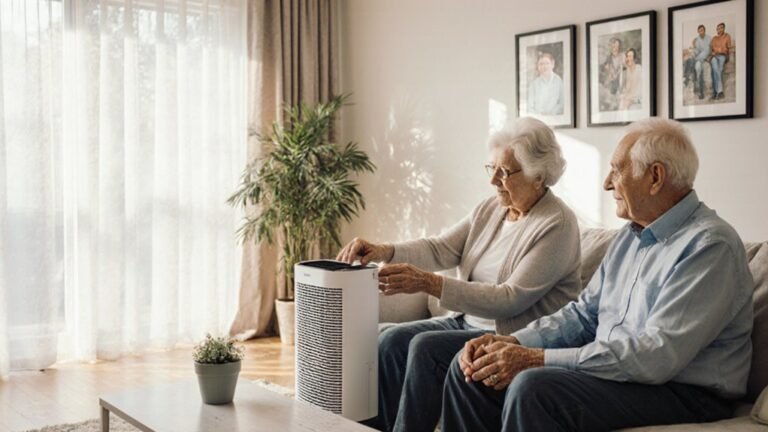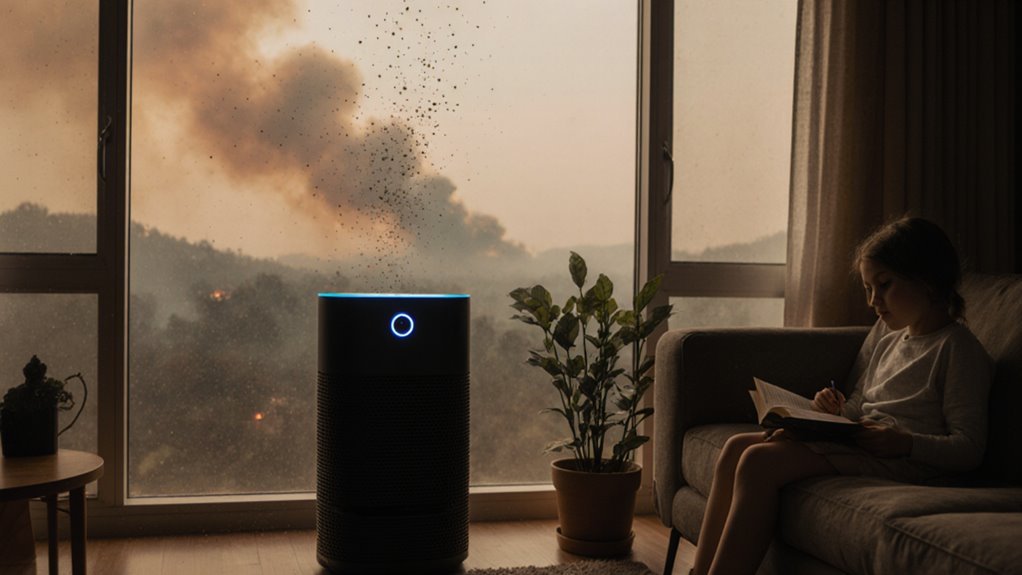

Air purifiers reduce indoor smoke by filtering fine particles and some gases. True HEPA filters trap tiny particulate matter from wildfire smoke. Activated carbon removes odors and many volatile organic compounds. Place the unit in the room used most and run it continuously for best results. Selecting the right size and proper filter maintenance keeps performance strong.
How Wildfire Smoke Affects Indoor Air
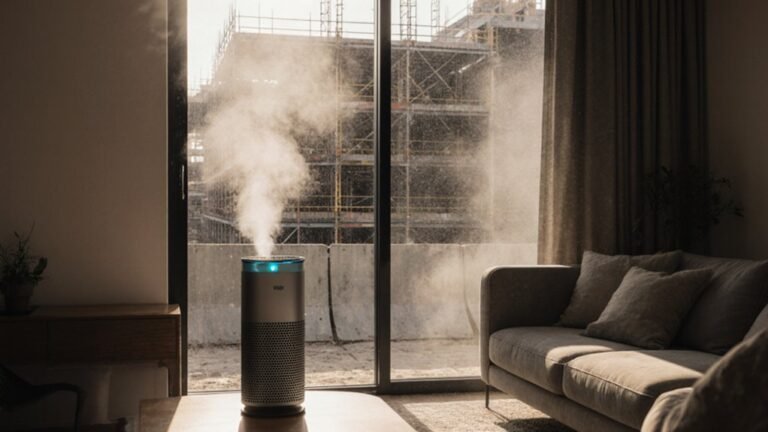
Upon wildfire smoke drifting into your neighborhood, it can slip indoors through tiny gaps, open windows, doors, and even your heating and cooling system. You might smell it initially, then notice a hazy room and scratchy eyes. That smoke carries tiny particles that raise health risks, especially for children, older adults, and anyone with asthma or heart trouble.
Your building leakage can let more of it in, so a drafty home often feels it sooner. Even once you stay inside, indoor air can still worsen as outdoor smoke builds up. Should you live close to neighbors, you’re not alone in this struggle. Many homes face the same problem, and that shared challenge makes smart protection feel more crucial.
How Air Purifiers Capture Smoke Particles
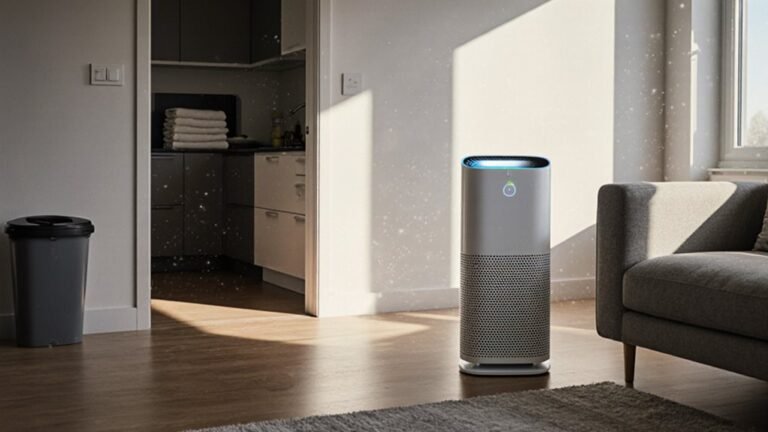
Air can carry smoke indoors, but the right purifier can help you fight back in a steady, calm way. You don’t have to guess how it works. A good purifier pulls smoky air through a filter that traps tiny soot and ash before they drift back to your space.
HEPA media catches fine smoke particles in thick layers, and that close mesh helps hold what your eyes can’t see. Some systems also use electrostatic charging, which gives particles a tiny pull so they stick more easily. Others encourage particle coagulation, where small bits join into larger ones that are easier to catch. Whenever you run the purifier in your room, you’re giving your home a cleaner pocket of air, and that can feel like a quiet win during a rough season.
What Air Purifier Features Matter for Smoke
As smoke starts creeping into your home, the features of your purifier matter just as much as the fact that you have one. You want a true HEPA filter initially, because it grabs tiny wildfire particles that your lungs don’t want to host. Then look for activated carbon, since it helps with smoky odors and gases that linger. A strong CADR helps the unit clean your room faster, and that matters whenever the air feels heavy.
- Check noise levels so you can keep it running without annoyance.
- Watch energy consumption provided that you plan to use it for hours.
- Pick simple controls, so anyone in your home can use it with ease.
Once you choose well, your space can feel calmer, safer, and more like yours again.
Where to Place an Air Purifier
Where you put your purifier can make a big difference once wildfire smoke starts drifting indoors, because even a strong filter can’t help much unless it’s stuck in the wrong spot.
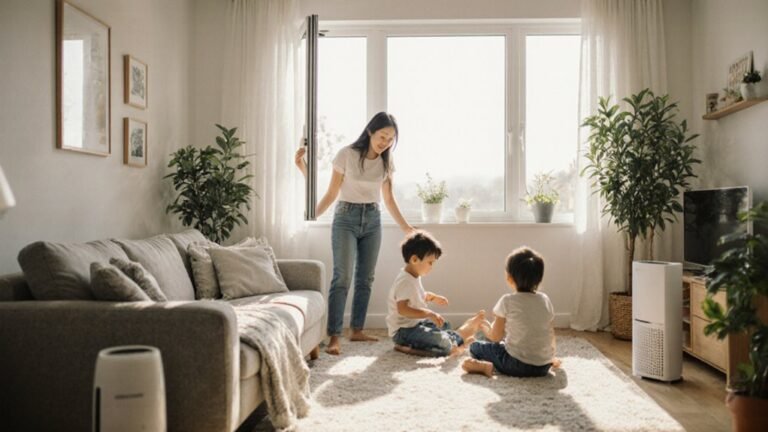
You’ll usually get better results whenever you keep it in the room where you spend the most time, like your bedroom or sitting room. Set it where air can move freely around it, not behind curtains or furniture. A central spot often works best, though corner placement can help provided the unit still has clear space on all sides.
In case your home has more than one busy area, multiple units can give you better coverage and help your household breathe easier together. That way, you’re not leaving one room to carry all the load.
How to Reduce Wildfire Smoke Indoors
Start via turning your home into a smoke shield. Close windows and doors, then set your system to recirculate so dirty air stays out. In case you’ve got an emergency kit, keep masks, water, and any needed medicine close at hand.
- Run a HEPA purifier in the room you use most.
- Change or check filters once they look dirty.
- Seal gaps with tape or towels for a quick fix.
Next, keep indoor air calm by avoiding candles, frying, and smoking, since each one adds more particles.
Assuming your home has central airflow, use a higher-rated filter and keep the fan running.
You’re not fighting alone here.
These small moves help you and your household breathe easier, even during times the sky looks rough outside.
How to Choose the Right Air Purifier
At the point you choose an air purifier for wildfire smoke, start with the size of your room because a unit that’s too small won’t clean the air well enough.
Next, look at filter types like HEPA, activated carbon, and safe MERV-rated options so you can target both fine particles and smoky odors.
After that check the Clean Air Delivery Rate, since a higher CADR means the purifier can clear smoke faster and more effectively.
Room Size Matters
Room size can make or break your air purifier’s job, especially during wildfire season, because a tiny unit in a large room is like bringing a small fan to a smoke storm. You want the purifier to match your space, so it can move enough air and help you breathe easier.
Consider room level ventilation and occupancy impact too, since more people and more open doors can change how fast smoke lingers.
- Check the square footage initially.
- Pick a unit rated for a bit more than your room.
- Place it where air can move freely.
Once you size it right, you’re not just buying a machine. You’re making a calmer, safer spot for you and the people you care about, even whenever the air outside feels heavy.
Filter Types Explained
Even though all air purifiers might appear similar on the outside, the filter inside does the real work, and that choice matters a lot during wildfire season. HEPA basics matter because a true HEPA filter traps tiny smoke particles, so you’re not just breathing hope. | Filter | Best use | Watch for |
| — | — | — |
|---|---|---|
| HEPA | Smoke particles | True rating |
| Carbon | Odors, gases | Carbon limits |
| Hybrid | Both needs | Real filter depth |
Choose a model that fits your space and your comfort, because you deserve clean air that feels like a shared win. Carbon filters help with smell, but they fill up fast, so don’t expect them to do HEPA’s job. Should you want peace of mind, look for a sturdy purifier with replaceable parts and clear labels. Then you can breathe easier with your people nearby.
Clean Air Delivery Rate
Clean Air Delivery Rate, or CADR, is the number that helps you pick an air purifier that can actually keep up during wildfire smoke. You want a unit that matches your room, so the smoke doesn’t just swirl around while you wait. CADR benchmarks show how fast a purifier clears particles, and decay modeling helps you see how much cleaner your space can get over time.
- Check the room size initially.
- Match the CADR to that space.
- Run the purifier on high during smoke.
When you choose well, you’re not alone with the haze. A strong CADR can bring relief faster, especially in a bedroom or dwelling area where you need comfort and calm. Should your home leak air, aim higher, because outdoor smoke keeps coming back.
Frequently Asked Questions
Can Air Purifiers Remove Wildfire Smoke Odors Completely?
Not completely. You’ll usually slash wildfire odors but not erase them. Provided you choose activated carbon with strong odor adsorption, you’ll fit right in with a cleaner air crowd, but lingering smells can still sneak through.
How Often Should Purifier Filters Be Replaced During Smoke Season?
You should replace them as often as your purifier’s replacement schedule says, usually every 3 to 12 months, but smoke can shorten filter lifespan quickly; check monthly and swap sooner if it looks dark or airflow drops.
Are Ozone-Producing Air Cleaners Safe to Use?
No, you shouldn’t use ozone producing air cleaners; they’re not safe. They can add health risks and emission concerns. Choose HEPA or MERV 13 plus instead, and you’ll breathe easier in your shared clean air space.
Can One Purifier Protect an Entire House?
No, a single unit usually cannot protect your whole home. You will get better room coverage with smart portable placement, but for whole home protection you will need multiple purifiers or upgraded HVAC filtration.
Do Air Purifiers Help People With Asthma During Wildfires?
Yes. Air purifiers can help you manage asthma during wildfires. HEPA units can cut indoor PM2.5 by 15% to 80%, reducing lung inflammation, easing symptoms, and helping you feel safer breathing at home.