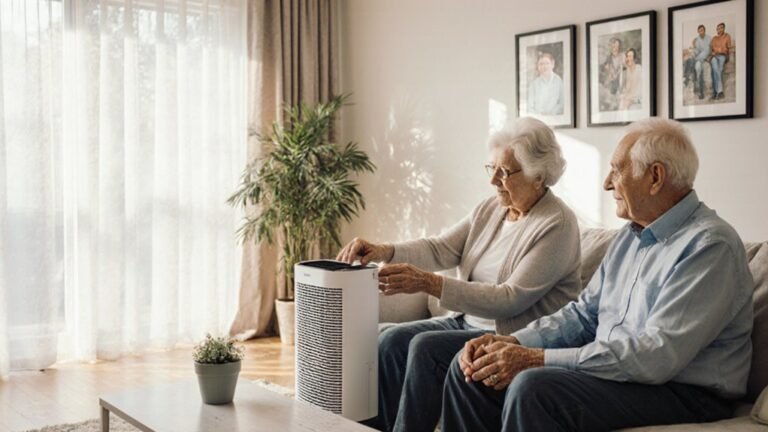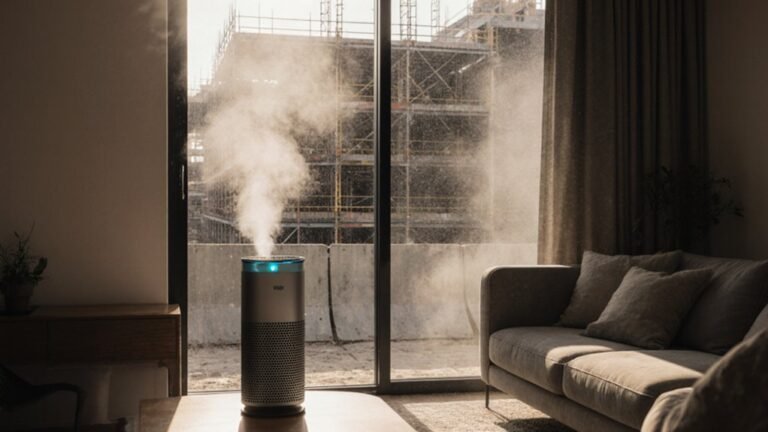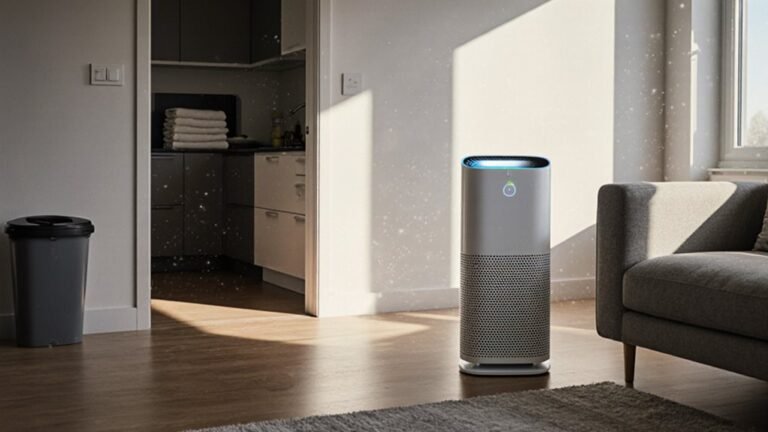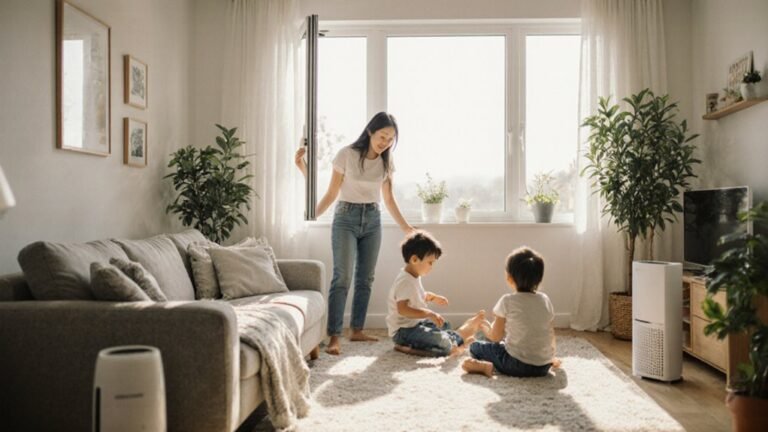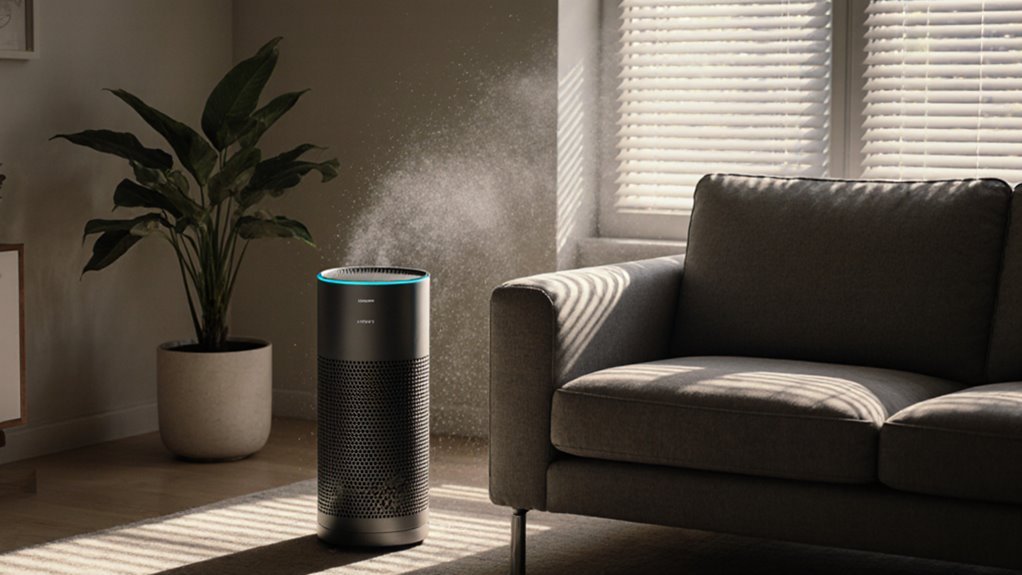

Run an air purifier most of the time for steady air quality in rooms you use often. Use continuous operation in bedrooms, living areas, and during allergy or wildfire seasons. Lower speeds or timed cycles work for rarely used rooms or overnight. Increase runtime during cooking, cleaning, or when pets are active. Adjust based on room size, purifier capacity, and indoor pollutant sources.
How Often Should You Run an Air Purifier?
Usually, you should run your air purifier as often as the air needs help, not just whenever you recall it.
Should you share rooms with pets, dust, or smoke, steady use gives you the calmest results. You’re usually better off keeping continuous circulation going on a low setting than switching it on and off all day. That rhythm helps your space feel cleaner and more settled, especially whenever you’re home for long stretches or sleeping.
Also, follow scheduled maintenance so the filter keeps doing its job and airflow stays strong. Provided your purifier has a timer or auto mode, use it to match your routine without losing protection.
In the end, you deserve air that supports you quietly, every day, without extra fuss.
What Affects How Long You Should Run It?
Your room’s size and layout shape how long the purifier needs to run because bigger or more open spaces need more time to clean the air.
Air quality also matters, so should you be coping with smoke, pets, cooking, or dust, you’ll usually want it on longer.
The source of the pollution matters too, since a steady problem needs steadier cleaning.
Room Size And Layout
Room size and layout matter more than many people expect, because they decide how fast clean air can spread through the space. In a bigger room, you’ll usually need to run your purifier longer so every corner feels included. In a smaller room, air moves faster, so you might get results sooner.
- Measure the room, then match purifier strength to its size.
- Notice furniture placement, since sofas and beds can block airflow.
- Check ceiling height, because tall rooms hold more air to clean.
- Use extra help in open layouts, where air can drift and slow mixing.
When you choose the right setup, you give your home a calmer, healthier feel. That makes it easier to breathe, relax, and feel like the space truly works with you.
Air Quality And Sources
Air quality often decides how long you should run your air purifier, because the dirtier the air, the harder the unit has to work. Should you have strong indoor sources like cooking, pets, or smoking, you’ll need longer runtimes. Outdoor smoke, pollen, and dust can also push you to keep it on more often. Your ventilation strategies matter too, since fresh air can help, but poor airflow can trap particles.
| Situation | Run Time |
|---|---|
| Light dust | A few hours |
| Pets or cooking | Most of the day |
| Smoke or wildfire air | Continuous |
| Allergy season | Long overnight use |
When your home feels stuffy, that’s usually your cue. You’re not overdoing it; you’re helping your space feel cleaner, calmer, and more like yours.
When Should You Run an Air Purifier All Day?
You should run an air purifier all day whenever you want steady protection from dust, pollen, smoke, pet dander, or germs that keep floating back into the room. Continuous operation works best in busy homes, and daytime cycling can help whenever your air changes through cooking, cleaning, or visitors.
- Keep it on during long workdays.
- Use it after vacuuming or dusting.
- Run it in smoky or high-pollen weather.
- Leave it on in shared spaces so everyone breathes easier.
If you live with allergies, asthma, pets, or frequent odors, all-day use can help your space feel calmer and more welcoming. Whenever you choose the right size and setting, you give your home a steady, friendly shield without much effort.
What’s the Best Air Purifier Schedule for Bedrooms?
Nighttime is while your bedroom air matters most, because you spend hours breathing the same space while you sleep.
For the best air purifier schedule for bedrooms, run it on overnight continuity, not short bursts. Set it near your bed, but leave space for good airflow with smart bedtime placement.
Should your unit has a sleep mode, use it so you get cleaner air without a loud hum stealing your rest.
Keep it on low all night, and in case your room feels stuffy or you share it with a pet, start it before bed and let it keep working until morning.
That steady routine helps you feel settled, supported, and more at ease in your own room. Every night, your purifier can quietly do its part while you recharge.
How Often Should You Run an Air Purifier for Allergies?
In case your bedroom purifier has been helping you sleep easier, that same steady habit matters just as much for allergies in the rest of the day. You’ll usually do best by running it all day in rooms where pollen, dust, or pet dander settles fast. That steady rhythm helps you feel like you’ve got backup, not a battle.
- Use it in the room you spend the most time in.
- Keep it on during bedtime routines and morning wake-up time.
- Let allergen mapping guide where particles build up.
- Run it longer whenever windows stay closed and sneezes still show up.
If your purifier has a sleep mode, use it at night and keep the fan moving softly. Small, steady care can make your home feel calmer and more like yours.
How Do You Know It Needs to Run Longer?
Should odors keep hanging around, your purifier might need more time to clear the air.
You should also pay attention whenever dust builds up faster than usual or whenever your allergy symptoms start creeping back.
Those signs usually mean the room needs longer, steadier cleaning to feel comfortable again.
Persistent Odors
Persistent odors often tell you your air purifier needs more time, more power, or both. Assuming cooking smells, pet funk, or stale air linger, your unit mightn’t be reaching the odor sources well enough. That’s at the point scent neutralization slows down, and you feel it.
- Check whether the purifier sits close to the problem area.
- Raise the fan speed for a few hours.
- Keep doors open so air can move better.
- Use a model with carbon when smells keep hanging on.
You don’t have to guess alone. Once the room still smells off after steady use, let the purifier run longer and give it a stronger setting. That extra push can help your space feel fresh again, and you’ll notice the room feels more like home.
Rising Dust Levels
Dust can be a quiet clue that your air purifier needs more run time, especially should you notice fresh buildup on shelves, tables, or dark surfaces just a day or two after cleaning.
You could also see dust gather faster near vents, baseboards, or under furniture. Whenever seasonal construction stirs up grit outside, or pet dander keeps floating indoors, your purifier might need to run longer to keep pace.
Try letting it run all day in busy rooms, then use a lower setting at night so your home still feels calm and welcoming. In the event dust keeps returning quickly, check the filter and placement too.
A cleaner, steadier room often means your purifier is doing its job better, and you’re getting the comfort you want.
Allergy Symptoms Return
Whenever your allergy symptoms start creeping back, your air purifier could need to run longer to keep the air steady and easier to breathe. Whenever you notice sneezing, itchy eyes, or a stuffy nose after you’ve been home for a while, that’s a clue your room still needs help.
- Check whether seasonal triggers are stronger near open windows or the door.
- Run the purifier longer in your bedroom, especially before sleep.
- Watch medication timing, because symptoms can return whenever medicine wears off.
- Use the unit on a lower setting for steady cleaning, not quick bursts.
Whether you feel better only whenever the purifier is on, keep it running through the day. That steady comfort can make you feel like you belong in your own space again, with air that works with you.
How To Balance Air Quality And Energy Use
Just as vitally, you want your air purifier to do its job without wasting power or wearing itself out too fast. Aim for steady, low-speed use while you’re home, because that keeps particles down without spiking your bill.
Should you need quiet breaks, use scheduled downtimes only whenever the room is empty, then bring it back on before you return. During pollen season or smoky days, make seasonal adjustments and run it longer, especially in bedrooms.
Auto mode can help you stay in the sweet spot, since it lifts speed when air worsens and eases off when things settle. Also, keep doors closed, clean the pre-filter, and size the unit right for the room.
That way, you and your space can breathe easier together.
Frequently Asked Questions
Can an Air Purifier Be Too Small for My Room?
Yes. If your purifier is too small for the room size, it’s like bringing a teacup to a bucket fight. You will need a higher fan speed, or you will not achieve enough clean-air changes to protect your space.
Does Running the Purifier Higher Wear Out Filters Faster?
Yes, running it at higher speeds can shorten filter lifespan and add motor strain, but you’ll get cleaner air faster. Use higher speeds whenever needed, then switch to low or auto to balance comfort and longevity.
Should I Close Windows While Using an Air Purifier?
Yes. Close windows while you use an air purifier, especially if you are fighting smoke, pollen, or dust. Open windows only when outdoor air is clean; otherwise you will dilute its effect and keep reintroducing pollutants.
Where Should I Place My Air Purifier for Best Results?
Place your purifier where air can move freely: center it in the room, a few feet from walls, and near the breathing zone. Imagine a quiet breeze circling you; ideal placement follows airflow patterns and keeps everyone included.
Do Air Purifiers Remove Cooking Odors and VOCS?
Yes, your air purifier can help with cooking odors and some VOCs provided it includes activated carbon, but it will not remove everything. Avoid ozone generators; they can worsen indoor air and do not truly clean it.