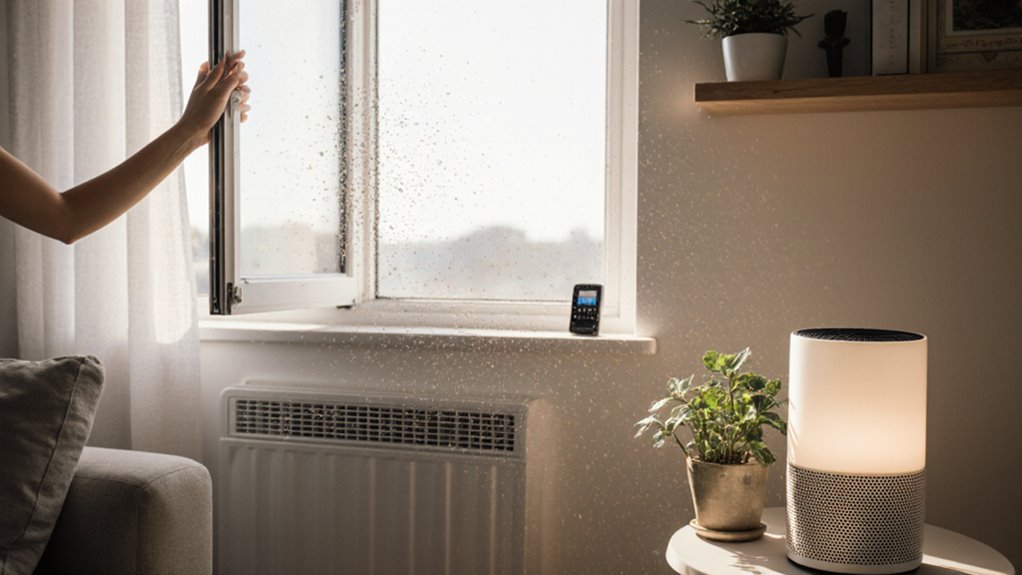

Indoor air quality affects health, comfort, and home value more than most homeowners expect. Homes trap dust, smoke, gases, and moisture that reduce air freshness and can cause headaches, coughing, or musty odors. Spotting sources like poor ventilation, mold, or combustion appliances allows targeted fixes. Simple steps—ventilation, filtration, moisture control, and safe product choices—improve air quickly. Regular checks and timely repairs prevent small problems from becoming costly.
What Indoor Air Quality Means
Because the air inside your home affects how you feel every day, indoor air quality, or IAQ, means the mix of pollutants, humidity, and other air conditions that can shape your comfort and health.
You live with it in every room, and EPA says you spend about 90% of your time indoors. So, the air can shift from fresh to stale as cooking, cleaning products, building materials, and combustion sources release particles and gases.
In some sealed homes, indoor air can be 2 to 5 times more polluted than outdoor air. That’s why source control, ventilation, and filtration matter.
They help manage PM2.5, VOCs, CO2, radon, mold spores, and smoke while supporting thermal comfort. IAQ also changes across space and time, so your home’s air keeps asking for attention.
Why IAQ Matters at Home
You spend most of your time at home, so the air there can shape how you breathe, sleep, and feel each day.
In a tight, poorly ventilated space, pollutants from cooking, gas stoves, cleaners, smoke, and even radon can build up and affect your health more than you could imagine.
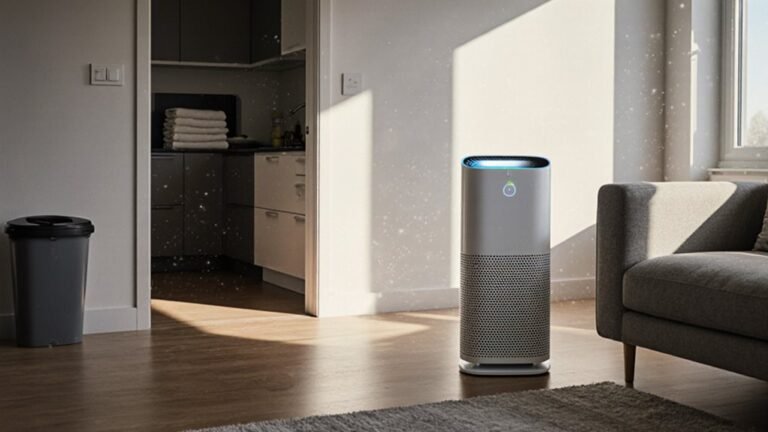
That’s why simple steps like opening windows, using exhaust fans, and running a HEPA air cleaner can make a real difference for you and your family.
Indoor Exposure Risks
Indoor air can quietly shape how you feel every day, and that matters because most people spend about 90% of their time inside their homes. You breathe in what builds up there, so your behavioral patterns and seasonal variations can change your risk.
In tight, poorly vented spaces, air might become 2 to 5 times dirtier than outdoor air, which can strain your heart and lungs. Radon can also hide in your home because you can’t see or smell it, yet it raises lung cancer risk.
Whenever you cook, burn wood, or smoke indoors, you add particles and gases that could trigger asthma. Should water damage linger, mold can grow fast and bother sensitive family members.
Common Home Pollutants
Once you know what’s floating around your home, it gets easier to see why clean air matters so much.
In a tight house, pollutants can build up fast, and you end up breathing them day after day. That’s why you should know the main troublemakers:
- PM2.5 from cooking, candles, and wood smoke can reach deep into your lungs.
- VOCs from paint, cleaners, and new furniture can sting your eyes, nose, and throat.
- Mold, dust mites, pet dander, pollen, and radon can trigger allergies or raise serious health risks.
Whenever you spot these sources, source control becomes your foremost defense.
Air purifiers can help, but they work best once you also cut the pollution at its source.
You deserve a home that feels safe, calm, and truly yours.
Simple IAQ Improvements
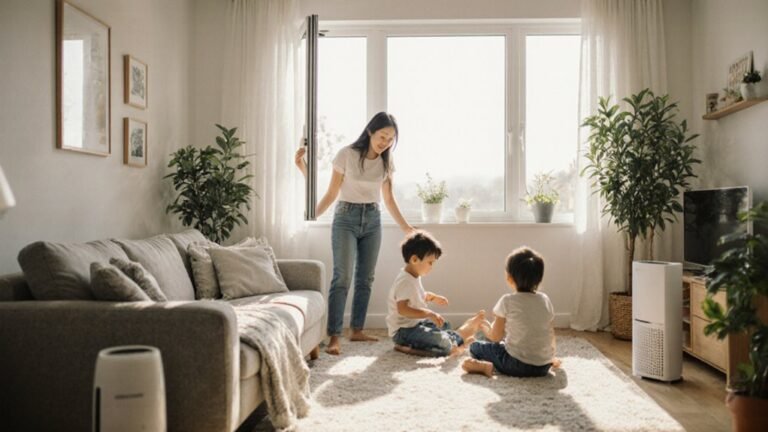
A few simple changes can turn your home air from a quiet problem into something you can actually manage. You spend most of your day inside, so your small steps matter. Start with DIY ventilation: crack windows, run bath and kitchen fans, and use a vented range hood while you cook. That cuts smoke, odors, and fine particles fast.
| Action | Why it helps |
|---|---|
| Open windows | Dilutes indoor pollution |
| HEPA cleaner | Traps particles |
| Low-VOC products | Cuts chemical fumes |
| Plant placement | Keeps airflow open |
Next, control the source. Skip indoor smoking, pick low-VOC items, and change HVAC filters on schedule. Keep humidity near 30 to 50 percent, and examine for radon every two years. These moves help you breathe easier and feel at home.
Common Indoor Pollutants in Homes
You mightn’t see them, but common household pollutants can build up fast in your home and quietly affect how you feel each day.
Paints, cleaners, new furniture, cooking smoke, mold, radon, and stale air can all come from concealed indoor sources that you use or pass by often.
Once you know where these pollutants start, you can spot problems sooner and make your home feel safer and easier to breathe in.
Common Household Pollutants
Common household pollutants can build up fast, even while your home looks clean, and that can make breathing, believing, and feeling well a lot harder than it should be. You’re not alone, though. With seasonal ventilation and smart houseplant selection, you can support cleaner air.
- PM2.5 from cooking, candles, and wood stoves can reach deep into your lungs.
- VOCs from paint, cleaners, and new furniture can irritate your eyes, nose, and throat.
- Radon and carbon dioxide need attention because you can’t smell them, and poor airflow allows them to linger.
Mold also joins in whenever wet spots stay damp too long, often after leaks or flooding. Should you notice headaches, allergies, or drowsiness, your home could be asking for fresh air and moisture control.
Hidden Indoor Contaminant Sources
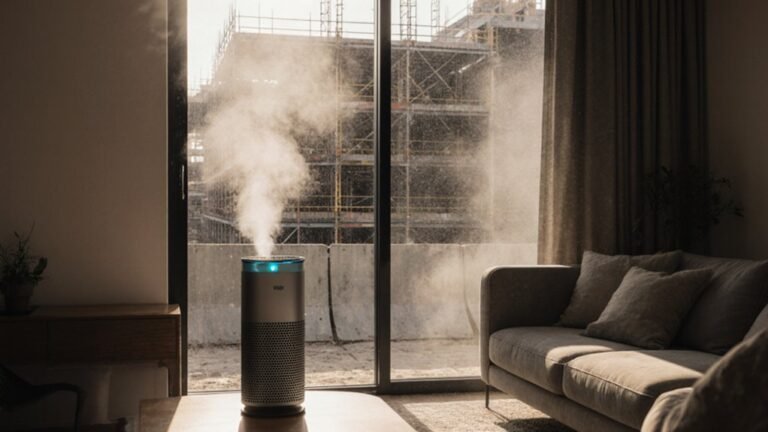
Even although your home looks neat, concealed pollution can still slip into the air you breathe. In the kitchen, covert combustion from gas stoves and frying can fill rooms with fine particles and nitrogen dioxide.
Then offgassing furniture, fresh paint, caulk, and new carpet can release VOCs like formaldehyde for weeks or longer. Should someone smoke, or a wood stove burns, the air can quickly feel heavy and harsh.
In lower rooms, radon might seep in without a smell, so checking matters. After leaks or flooding, damp drywall and carpet can grow mold fast, and that can stir up sneezes, coughs, and wheeze.
Once you know these sources, you can protect your home and help your household breathe easier together.
Signs Your Indoor Air Is Poor
Poor indoor air often shows up in small but nagging ways, and those clues can make daily life feel off before you know why. You may notice headaches, a scratchy throat, watery eyes, coughing, or more allergy flare ups, especially with seasonal variations and pet dander around. These signs can feel like your home is quietly working against you, and that’s frustrating.
- Musty smells or visible mold after dampness lasts 24 hours
- Dusty surfaces, discolored walls, or HVAC filters that clog fast
- Rooms that feel stuffy, drowsy, or better once you step outside
If you also feel dizziness, consider ventilation. And because radon has no smell or color, only screening can catch it.
How to Improve Indoor Air Quality
You can start improving indoor air right away through cutting the biggest pollution sources initially, because that usually gives you the fastest relief. Skip indoor smoking, switch to electric cooking provided you can, and store harsh chemicals tightly or move them out.
Next, enhance fresh air whenever outdoor conditions are clean. Open windows, run the kitchen hood that vents outside, and use bathroom fans after showers.
Then add support with a portable HEPA cleaner and a MERV-13 filter in your HVAC system, provided it fits. Keep humidity between 30% and 50% so mold and dust mites don’t settle in.
For seasonal maintenance, check vents and filters. Also, make air sealing upgrades carefully, because tight homes still need good ventilation and regular monitoring for CO2, VOCs, PM2.5, and radon.
Who’s Most at Risk Indoors
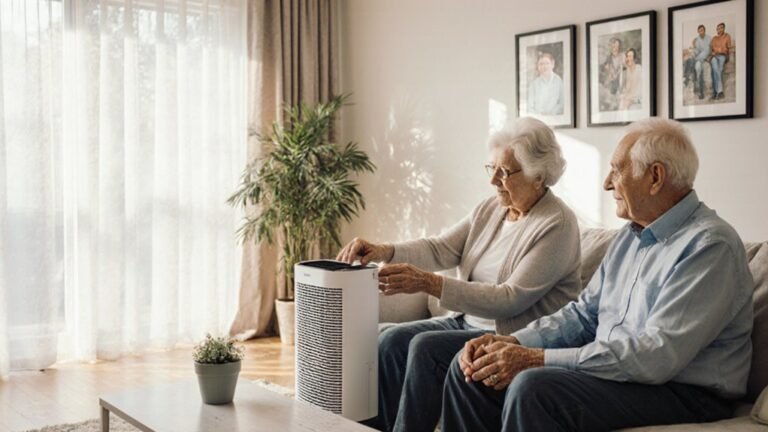
Some people face a much bigger indoor air risk than others, and it’s not just bad luck. In case you live with children, older adults, or anyone with asthma or heart disease, you need to pay closer attention. Their bodies handle pollution less well, and children’s vulnerability is even higher because their lungs and immune systems are still growing.
- Infants breathe more air for their size.
- Low-income families might face older, crowded housing.
- Tight seal homes can trap smoke and fumes.
That matters even more provided someone’s immune system is weak or they’ve had a recent respiratory infection. In those moments, wood smoke, wildfire smoke, and cooking fumes can hit harder. So whenever you share your home, consider about who breathes the air most often and who needs the cleanest air most.
When to Test IAQ
When indoor air starts making people feel off, timing matters just as much as the exam itself. You should listen to occupant feedback and examine fast whenever eyes burn, coughs linger, or asthma flares. Check for moisture, musty smells, or mold, too. Use seasonal sampling after winter heating or summer humidity shifts, since indoor levels can change with the weather. | Trial type | Where | Why |
| — | — | — |
|---|---|---|
| Radon kit | Basement | Odorless risk |
| PM2.5 monitor | Bedrooms | Daily trends |
| VOC monitor | Living areas | New source checks |
| Professional assessment | Whole home | Complex issues |
After remodeling, new carpet, pest treatment, or a gas stove swap, sample again for VOCs, particles, and combustion gases. Radon needs screening in every home, including new ones, with retesting every two years or after major changes.
Frequently Asked Questions
How Often Should Air Filters Be Replaced in a Home?
You should replace your air filters every 1 to 3 months, but the frequency depends on usage and filter grade. Stay with your home’s comfort crowd, and you will notice cleaner air fast.
Do Houseplants Really Improve Indoor Air Quality?
Not really. You’ll enjoy plant benefits like beauty and comfort, but they won’t markedly clean your air. Don’t buy into maintenance myths; you still need ventilation, filtration, and regular cleaning to breathe easier together.
Can Air Purifiers Remove All Indoor Pollutants?
No, you cannot remove all indoor pollutants with air purifiers. They reduce particles effectively, but HEPA filter limitations and ozone risks mean you still need ventilation, source control, and shared habits to keep your home healthier.
What Humidity Level Is Best for Indoor Air Quality?
You’ll breathe easier whenever you keep indoor humidity around 30 to 50%: that’s the ideal humidity range. Use moisture sensors and you’ll protect your home, reduce mold, and feel like you truly belong there.
Are Scented Candles Harmful to Indoor Air?
Yes, scented candles can harm your indoor air; you’re inhaling fragrance chemistry and wick emissions. If you love cozy spaces, choose cleaner options, ventilate well, and keep burn times short so everyone feels comfortable.