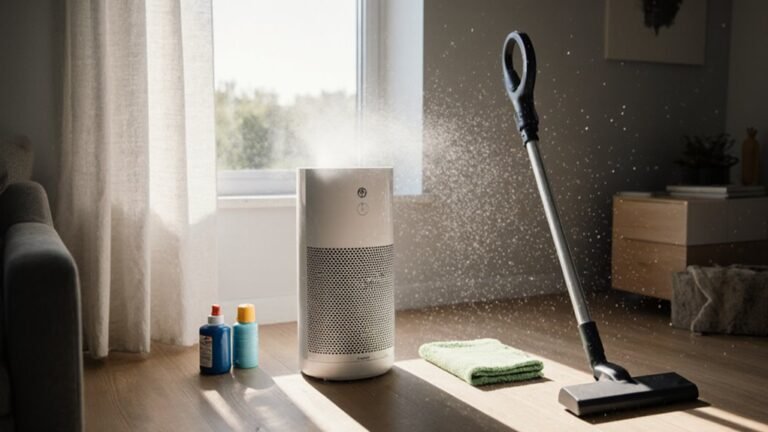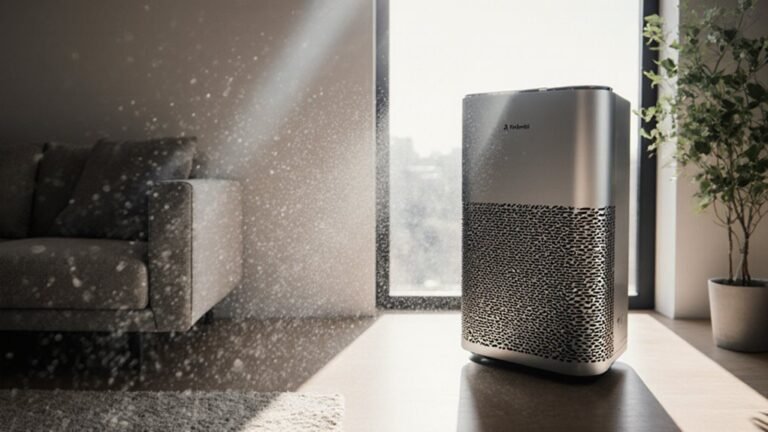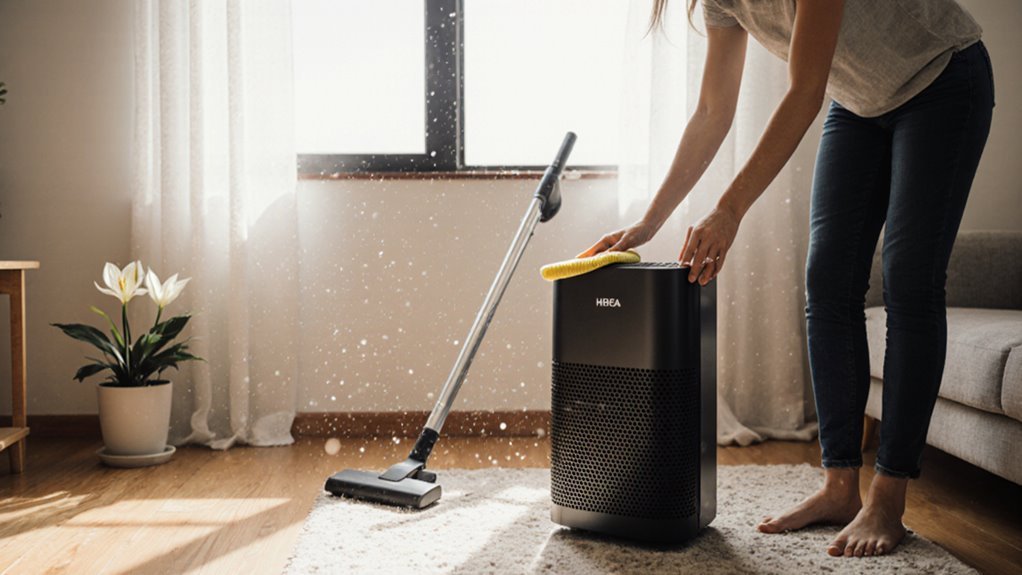

Allergies can get worse from things inside the home, but small actions make a big difference. Open windows at low-pollen times and run exhaust fans during cooking or showering to reduce airborne irritants. Use a HEPA air purifier, change HVAC and vacuum filters regularly, and dust often to limit particles. Control moisture and avoid indoor smoke to prevent mold and airborne irritants. Wash bedding in hot water and use allergen-proof covers to cut nighttime exposure.
What Causes Indoor Allergies at Home?
Indoor allergies at home often start once tiny irritants build up and hang around in the places you use most. You might breathe in dust mite waste from bedding, pet dander on fabrics, or cockroach allergen near kitchens and concealed corners.
Mold can also grow where moisture lingers, while scented cleaners and candles add volatile organic compounds that can bother sensitive airways. Should your home have thick rugs, stuffed furniture, or crowded closets, these spots trap more irritants and keep them close to you.
That’s why allergies can feel personal, like your own rooms are teaming up against you. Once you understand these triggers, you can spot the trouble faster and start making your space feel calmer, cleaner, and more like home again.
Improve Indoor Air Quality With Fresh Air
Fresh air can help lower the stuffy buildup that makes allergies feel worse, especially while you use it with care.
You can open windows whenever pollen and outdoor smoke are low, and you can use kitchen and bathroom exhaust fans to push moisture and particles out fast.
Through timing outdoor airflow well, you give your home a cleaner reset without inviting more irritants inside.
Open Windows Strategically
Once the air outside is clean enough, opening your windows can give your home a much-needed reset and help lower the buildup of dust, pet dander, and other indoor allergens. Use seasonal timing so you air out rooms after rain or on low-pollen days. Then try smart window positioning to create a gentle cross-breeze without flooding every room with outdoor triggers.
| What you do | Why it helps |
|---|---|
| Open windows briefly | Refreshes stale air |
| Pick the right hours | Lowers pollen exposure |
| Air out one room initially | Keeps control simple |
| Close up whenever counts rise | Protects your safe space |
You don’t have to choose between comfort and breathing easier. With a few careful choices, you can make your space feel lighter and more like home.
Use Exhaust Fans
Turn on the exhaust fan in your kitchen or bathroom, and let it do the heavy lifting. You help your home feel calmer whenever you use bathroom extraction after showers and kitchen ventilation while you cook. These fans pull out steam, smoke, and tiny particles before they spread through your rooms. That means less moisture for mold and fewer irritants floating around you and your family.
- Run the fan during the task, not after the air has settled.
- Keep the grille clean so airflow stays strong and steady.
- Check that the vent leads outside, not into another room.
Once you make this small habit part of your day, you join a home routine that supports breathing easier. It’s a simple win, and it doesn’t ask much from you.
Time Outdoor Airflow
Now that you’ve cleared out steam and cooking fumes with exhaust fans, it helps to let your home breathe with the outside air at the right times. You can open windows whenever pollen counts are lower, like after rain or on mild days, so fresh air can dilute indoor stuffiness without inviting a sneeze parade.
Watch seasonal timing, because spring mornings might bring more pollen, while late evening air can feel gentler for allergy sufferers. Keep airflow duration short at the outset, then adjust it based on comfort and outside air quality.
Should your home feel tight, use fans or a whole-house system to move air evenly. Close windows fast during high pollen bursts, so you stay comfy and still share clean air with your space.
Choose a HEPA Air Purifier for Allergies
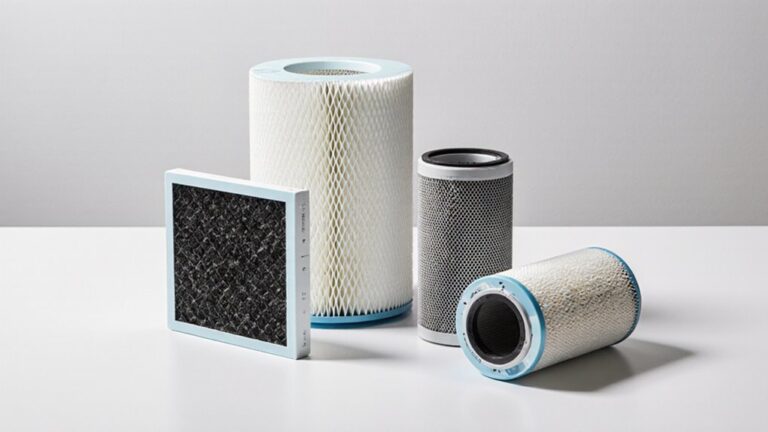
Picking the right HEPA air purifier can make your home feel a lot kinder to your nose, eyes, and lungs. You’ll want one that fits your room size, because a weak unit can’t keep up, and a giant one might feel like a jet engine. Check the noise levels initially, since you’ll use it more whenever it sounds calm. Also, look for cartridge compatibility so you can replace parts without hunting for rare extras.
- Choose true HEPA filtration for fine allergy particles.
- Match the purifier’s coverage to your bedroom or household room.
- Place it where air can move freely around your space.
Whenever you pick well, you’re not just buying a machine. You’re making your home feel more welcoming, and that matters on the hard days.
Replace HVAC Filters on Schedule
Every month, a fresh HVAC filter can quietly make a big difference for your allergies. You help your home breathe easier whenever you replace it on schedule, because a clogged filter traps less pollen, dust, and pet dander. Check the filter lifespan on the package, then mark your calendar before it gets packed with debris.
Should you want steadier comfort, use pressure drop monitoring to spot whenever airflow starts falling, even though the filter looks fine. Then you can swap it before your system strains and your indoor air gets stale.
A clean filter also helps your family feel more settled at home, since cleaner air supports easier breathing and calmer days. Keep the habit simple, and your whole household can enjoy that small but meaningful win together.
Control Dust in Bedrooms and Living Areas
Dust builds up fast in bedrooms and inhabited areas, so it helps to tackle it with a steady routine instead of waiting for it to take over. You can protect your comfort by dusting sealed surfaces with a damp cloth, then vacuuming carpets and furniture with a HEPA vacuum. Should you be able, choose low pile flooring, since it holds less dust and feels easier to keep fresh.
- Wash bedding weekly in hot water to cut concealed dust.
- Clear clutter so dust has fewer places to settle.
- Wipe shelves, frames, and baseboards before particles spread.
When you maintain these habits, your rooms feel calmer and more welcoming. That matters, because a cleaner space can help you breathe easier and relax at home.
Reduce Pet Dander Around the House
Whenever you live with a pet, the soft fluff can feel like part of the family, but the tiny dander flakes they shed can stir up sneezing, itchy eyes, and a stuffed nose.
You can still share a cozy home by making a few steady changes. Start with restricting access to bedrooms, so your pillow area stays calmer at night. Then, brush your pet often and choose professional grooming if you can, since a clean coat sheds less loose dander. Wash blankets, slipcovers, and pet beds on a regular schedule.
After that, vacuum floors and furniture with a HEPA vacuum, because settled flakes hide in fabric and seams. With these habits, you create a more welcoming space for everyone in your house.
Reduce Mold and Humidity
Keeping your home drier can make a big difference provided mold and humidity keep triggering your allergies.
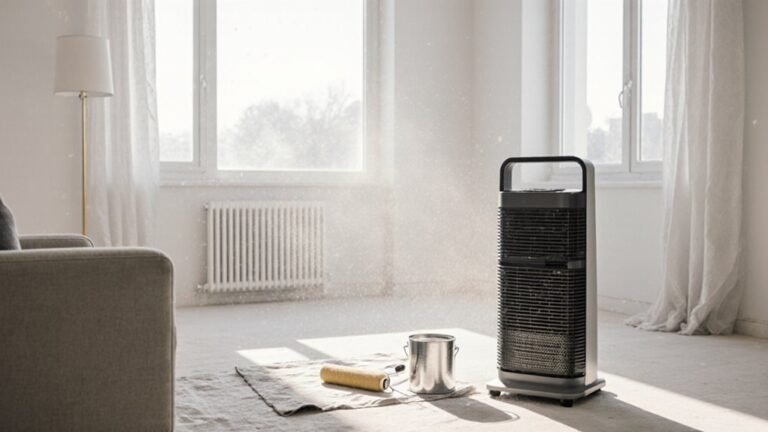
You don’t have to fight it alone. Start with Basement waterproofing provided water sneaks in, then add Mold resistant paint in damp rooms so surfaces stay calmer.
A Continuous dehumidifier helps hold indoor moisture in the safe zone, especially in bedrooms and basements where you rest and recharge.
- Check Hygrometer placement in more than one room, so you spot concealed湿? spots fast.
- Aim for 30 to 50 percent humidity, because mold loves soggy air.
- Fix leaks right away, since small drips can turn into big trouble.
When you keep moisture down, your home feels more welcoming, and your breathing often does too.
Vacuum Without Stirring Up Allergens
Now that you’ve brought moisture down, you can make your vacuuming work harder for you instead of against you. Use a HEPA vacuum with silent suction so you can clean without blasting dust back into the room. Move slowly, and let the tool do the work.
Your nozzle technique matters: start with edges, baseboards, and under furniture, then overlap each pass a little. This keeps loosened debris from flying around. In case your vacuum has a sealed bag, empty or change it outside.
You’ll also help yourself by vacuuming on a regular schedule, because settled allergens build up fast. Whenever you pair steady cleaning with calm, careful movements, you protect your space and make it easier to breathe. Your home can feel like a shared win, not a sneeze trap.
Choose Allergy-Friendly Bedding and Fabrics
Soft, cozy fabrics can make a bedroom feel restful, but they can also hold on to dust mites and other allergens. You can still create a space that feels like yours by choosing hypoallergenic materials for sheets, pillowcases, and blankets. These fabrics help you rest easier and keep your bed from becoming a concealed trigger.
- Use allergen encasements on mattresses and pillows to block dust mites.
- Pick tightly woven cotton or microfiber that washes well.
- Skip thick decorative layers that trap dust.
Next, wash bedding in hot water each week and dry it fully. That simple habit works alongside your fabric choices and helps you wake up with fewer symptoms.
Whenever your bed feels clean and safe, you can breathe easier and feel more at home.
Limit Smoke and Fragrance
Even with clean bedding and washed fabrics, smoke and strong fragrance can still stir up your symptoms and make your home feel less restful. You deserve air that lets you breathe easy, so ask guests to follow smoker etiquette and step outside fully. Should you want warmth without irritation, try candle alternatives like unscented LED lights or a gentle fan.
| Trigger | Better Choice | Why It Helps |
|---|---|---|
| Cigarette smoke | Outdoor smoking | Cuts indoor particles |
| Scented candles | LED candles | No smoke |
| Plug-ins | Open, clean air | Fewer VOCs |
| Perfume | Light, unscented products | Less throat sting |
Also, keep windows closed whenever smoke drifts nearby. Then choose simple, low-odor products that help your space feel calm, welcoming, and shared.
Build an Allergy-Smart Cleaning Routine
A clean home can still trap allergy triggers, so your routine needs to target the places where dust and dander settle most.
Dusting often helps, but you’ll get better results whenever you use a HEPA vacuum on floors and furniture and wash bedding every week in hot water.
These small habits can cut down the stuff that keeps sneaking back into your air and making you feel worn out.
Dusting Frequency Matters
Dusting on a regular schedule can make a real difference whenever allergies keep showing up in your home. You don’t need a perfect routine, just one you can stick with and trust. Use microfiber cloths, since they grab fine dust instead of sending it back into the air. Focus on ledges, frames, and fans, because these spots turn into allergen traps fast.
- Dust high-touch areas twice a week.
- Work from top surfaces to lower ones.
- Clean slowly so particles don’t stir up.
Whenever you keep up with this habit, your rooms feel calmer and easier to breathe in. It also helps you feel more in control, which matters on days whenever symptoms try to boss you around. Small, steady care lets your home support you better.
Vacuum With HEPA
After you’ve cleared dust from shelves and ledges, it’s time to tackle the floor, where allergens love to settle and wait for your next step. Use a HEPA vacuum so you trap fine particles instead of stirring them back into the air.
You’ll help your home feel calmer whenever you move slowly and cover each room in overlapping passes. Choose portable vacuums for stairs, corners, and tight spots, and keep attachment tools close for baseboards and upholstery. Empty the canister outside, provided you can, so dust doesn’t drift back in.
Vacuum weekly, and more often in busy rooms, so you stay ahead of buildup. Should you share space with others, this routine can make everyone breathe a little easier together.
Wash Bedding Weekly
Wash your bedding every week so you can cut down the dust mites that hide where you sleep. Use hot water whenever the fabric allows, then dry it fully on a hot setting. That heat helps with allergen reduction, and it makes your room feel fresher, too.
- Put allergen-proof protectors on your mattress and pillows.
- Wash sheets, pillowcases, and blankets on the same day.
- Swap out damp bedding quickly so mites don’t get a cozy home.
If you share your bed with allergies, this habit can help you feel more in control.
It also works best whenever you pair it with an allergen reduction waterproof mattress cover, since dust can’t settle as easily. Keep your routine simple, and you’ll build a bedroom that feels safer, calmer, and more like your own.
Frequently Asked Questions
How Do I Tell Which Allergens Trigger My Symptoms?
You’ll spot triggers by logging patterns like a detective with a map. Keep a symptom diary, get an allergen panel, do exposure mapping, and ask your clinician about challenge trials so you don’t feel alone.
Should I Test Indoor Humidity in Every Room?
Yes, you should measure humidity room by room, especially in bedrooms where allergens build up. Use portable hygrometers to spot seasonal variation, then adjust dehumidifiers or ventilation together so you feel comfortable and included.
What’s the Best Way to Handle Cockroach Allergens?
You’ll handle cockroach allergens best with sanitation, bait stations, boric acid, and traps, plus integrated pest proofing and allergen containment. Seal cracks, store food tightly, and avoid aerosol sprays that will stir up irritants and worsen symptoms.
How Often Should I Wash Soft Toys and Bedding?
You should wash bedding and washable soft toys weekly; consider them as little dust mite inns, and weekly washing brings allergen reduction. Use water at 130°F or hotter, then a hot dryer cycle.
Can Pet Allergens Linger After the Pet Is Gone?
Yes, pet allergens can linger after your pet is gone. Residual dander can cause allergens to persist for months. You will need thorough cleaning, ventilation, and HEPA filtration so your home feels comfortable, fresh, and truly yours.