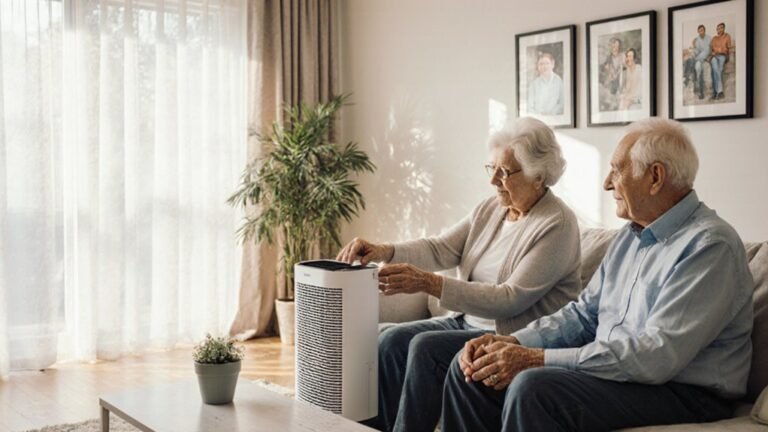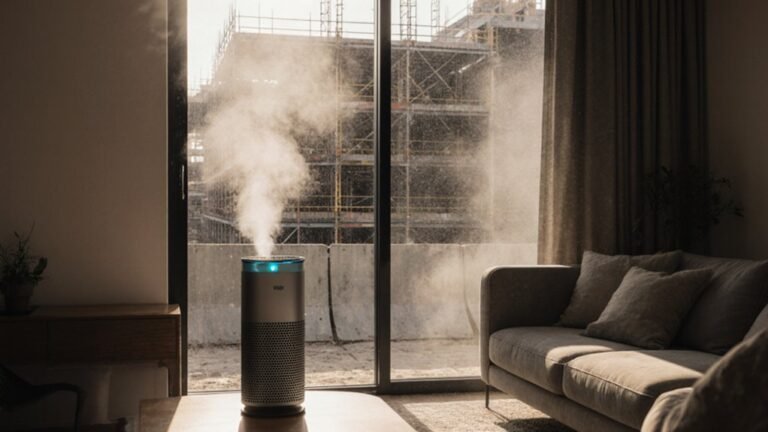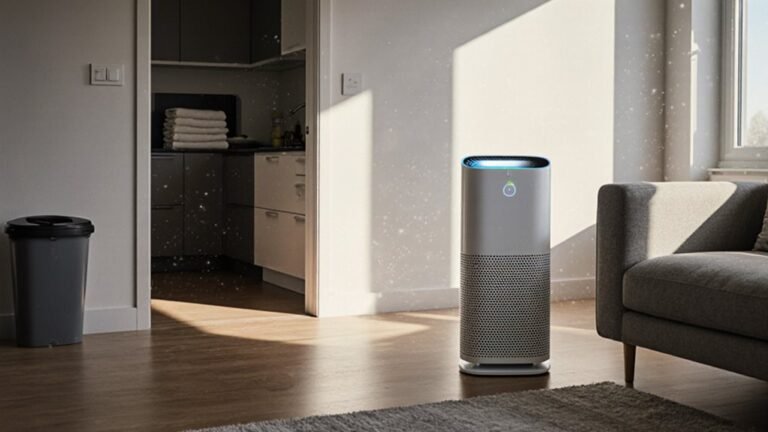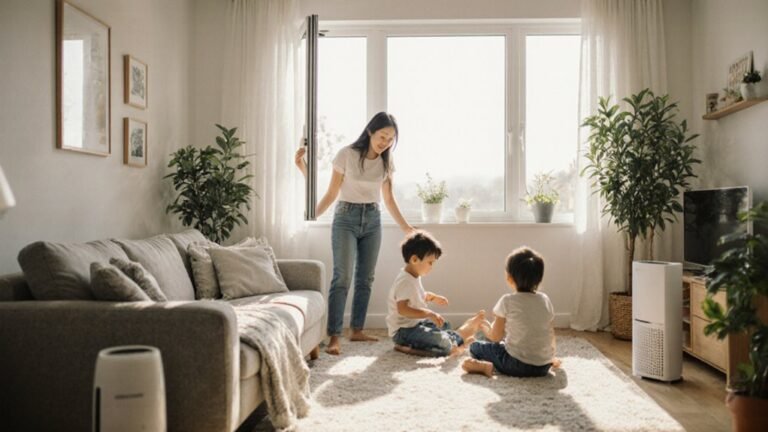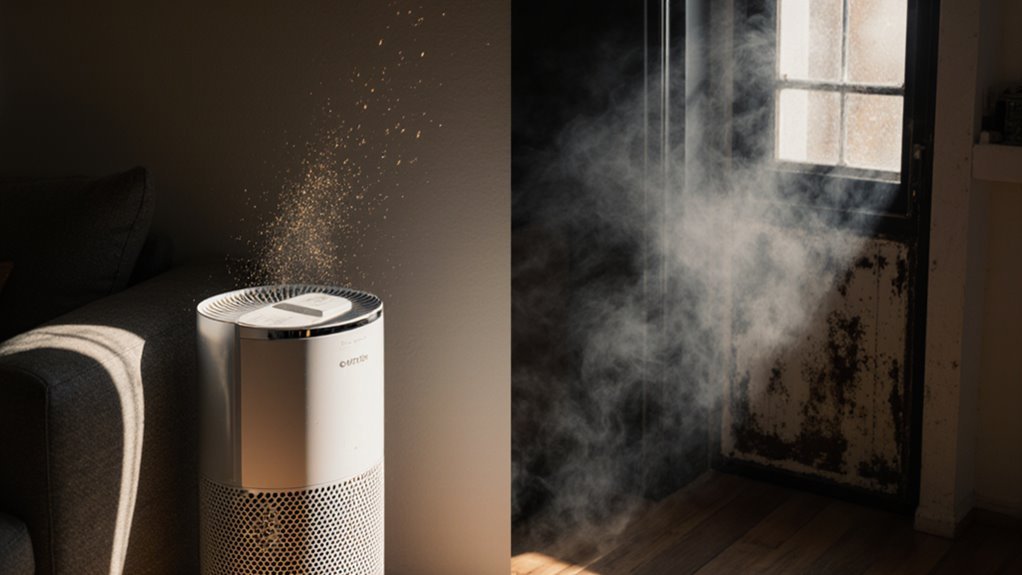

Air purifiers remove many airborne particles and some gases, but they do not fix every indoor air issue. HEPA filters capture tiny particles like dust, pollen, and smoke; activated carbon reduces odors and certain volatile organic compounds. Many pollutants cling to surfaces or come from ongoing indoor sources that purifiers cannot stop. Proper placement, filter type, and regular maintenance affect performance. Knowing limitations helps set realistic expectations and choose the right device for specific needs.
What Air Purifiers Can Remove Best
Once you want the biggest, most reliable improvement in indoor air, HEPA air purifiers usually do the best job because they catch tiny particles that your lungs would rather not deal with. You get strong particle removal from pollen, pet dander, dust, mold spores, and the fine bits that hang around after cooking or vacuuming.
That matters because these particles often make rooms feel stale and uncomfortable. Whenever you choose the right size for your space, you’ll notice cleaner-feeling air and less sneezing or stuffiness.
Also, a good filter lifespan helps you keep that steady performance without constant fuss. So, provided you want your home to feel more welcoming and easier to breathe in, HEPA gives you the most dependable place to start.
What Air Purifiers Can’t Remove
A good air purifier can make a room feel much easier to breathe in, but it still has clear limits. You can’t count on it to remove gases like carbon monoxide, many strong odors, or pollutants tied to concealed sources inside walls, carpets, or damp materials.
It also can’t fix chemical interactions that create new pollutants after cleaning sprays, ozone, or other products mix in the air. And provided smoke is still coming in, the unit will keep chasing the problem instead of ending it.
Even the best filter won’t clean settled grime on shelves or stop moisture problems from feeding mold. So you’ll get the best result whenever you pair filtration with source control, fresh air, and a little patience.
Air Purifiers and Dust, Pollen, and Pet Dander
Whenever dust, pollen, and pet dander start floating through your home, a good air purifier can quietly take some of that pressure off your lungs and nerves. You don’t have to fight every sneeze alone. A true HEPA filter traps tiny particles in the air, including common allergens that make rooms feel stuffy and tense.
During high Seasonal timing, like spring blooms or shedding season, you might notice less itching and less coughing as the purifier keeps Allergen loading lower. It works best whenever you run it often, choose the right size, and keep doors closed.
Still, you’ll get the best relief provided you pair it with regular vacuuming and dust control, so your space feels more comfortable and welcoming.
Can Air Purifiers Remove Smoke and Odors?
Whenever smoke fills your room, a HEPA air purifier can grab many of the tiny particles that make the air look hazy and feel harsh on your lungs.
However, odors are trickier because they come from gases, and thin filters usually can’t catch much of them for long.
Should you want better smoke relief, look for a purifier that pairs HEPA with a real activated carbon filter, since filter type really changes what you notice.
Smoke Particle Capture
Smoke can feel stubborn, but the right air purifier can make a real difference in your room. You’re not imagining it: HEPA filters catch the tiny particles in smoke, and that matters whenever the air feels heavy.
Because of filtration kinetics and particle chemistry, the smallest bits move in ways that help the filter trap them as air passes through. You might notice less haze, less grit, and easier breathing after steady use.
The key is size and runtime. A purifier with strong CADR, run near the smoke source, can lower indoor particle levels while you relax, work, or sleep. It won’t stop new smoke from entering, so source control still counts. But in your space, it can help you feel clearer, calmer, and more at home.
Odor Removal Limits
Even with a strong HEPA purifier running, odors can still hang in the air, and that can be frustrating. You’re not imagining it. HEPA catches smoke particles, but scent chemistry lives in tiny gases that can slip past.
- Smoke smell often lingers after the visible haze is gone, because the odor comes from gas compounds too.
- Adsorbent longevity matters, since the material that traps odors can wear out and stop helping as much.
- Your space matters too, because cooking, pets, and fresh paint can all release different smells that need time and fresh air.
Filter Types Matter
The type of filter inside an air purifier changes what it can really do for your home, and that matters a lot should you’re trying to clear smoke or stale odors.
A HEPA filter grabs tiny smoke particles, so your room can feel fresher fast. But HEPA alone won’t catch most gases that cause smell, so you need activated carbon for that job. Thicker carbon usually works better, while thin pads fade quickly, which affects filter lifespan. You’ll also see material innovations that improve airflow and adsorption, giving you more help without a loud struggle in the corner.
In the event you live with cooking smoke, pet smells, or wildfire haze, pick a unit that combines both stages. Then you can breathe easier and feel like your space fits you again.
How Air Purifiers Affect Mold and Bacteria
You can use an air purifier to cut down on mold spores floating in the air, which might assist should you be handling that musty, damp feeling in a room. HEPA filters also grab many bacteria when they ride on tiny droplets, but they won’t clean mold growing on walls, carpet, or concealed leaks.
For lasting relief, you’ll still need to fix moisture problems and change filters on time so the purifier keeps doing its job.
Mold Spore Capture
Whenever mold or bacteria are floating in the air, a good air purifier can help calm the situation through catching those tiny particles before you breathe them in. You’ll feel better appreciating the machine works with your space, not against it, through pulling spores across a HEPA filter.
- It traps many mold spores that ride on air currents.
- It can lower spore viability by removing them from the air prior to their settling.
- It helps your room feel cleaner, especially after damp days or a spill.
Still, you’ll want to fix the moisture source, because spores can keep coming back provided mold grows in walls or carpets. So, use the purifier as part of your team, and let fresh habits support the air you share.
Bacteria Filtration Limits
Even though air purifiers can help with floating mold spores and some bacteria, they don’t work like a magic shield for every germ in the room. You get the best help whenever those microbes ride on tiny droplets or dust that the filter can catch.
That said, bacteria can still spread through close contact, wet surfaces, or settled grime, so your purifier has clear filtration limits. It also can’t judge whether a germ is alive or dead; airborne viability changes with moisture, time, and air flow.
Filter Maintenance Impact
Keep your air purifier working well, and it can do a better job of helping with mold and bacteria in the air. Whenever you change the filter on time, you keep airflow strong and give the unit a better chance to catch airborne spores and droplets. A dirty filter raises pressure drop, so the fan works harder and moves less air through your room. That can leave you feeling like the purifier is on your side, but it’s really losing steam.
- Check filter lifespan before it gets packed with dust.
- Replace pre-filters, too, so the main filter lasts longer.
- Keep moisture under control, because wet spots feed mold.
With steady care, you protect your space and help your home feel cleaner and safer.
Which Gases and VOCs Air Purifiers Can Reduce
Whenever you’re trying to clean the air in your home, it helps to know that air purifiers can reduce some gases and VOCs, but not all of them. Provided your unit includes activated carbon, it can catch odors from cooking, pets, paint, and smoke, especially whenever the carbon bed is thick.
Adsorption kinetics matter because air needs time to touch the media. That’s why thin pads often do little. Good brands evaluate this with breakthrough testing, which shows at what point the filter starts to fail.
Still, some gases, like carbon monoxide, slip through. So you get the best results whenever you match the purifier to the smells and chemicals you actually live with. Then you and your home team breathe easier together.
Why Air Purifiers Miss Surface Contaminants
Air purifiers can help with odors and gases, but they can’t grab everything that settles onto your tables, floors, and shelves. That’s because they clean moving air, not sticky dust on surfaces.
Whenever someone walks past, settled resuspension can lift grime back into the room, and airborne transfer can spread tiny bits again.
- You still need wiping and vacuuming to remove what’s already landed.
- You’ll notice less buildup in the air, but not on bookcases or counters.
- You can pair cleaning with filtering to keep your space feeling fresher and more like home.
How Filters Affect What Air Purifiers Capture
The filter inside your purifier decides a lot more than you could suppose, because it controls which bits of pollution get pulled out of the air and which ones slip past. Your filter characteristics shape that choice.
A true HEPA filter grabs tiny particles, so you get help with dust, pollen, pet dander, and smoke bits. A carbon layer reaches odors and some gases, but thin pads can only do so much.
Then airflow patterns matter too. Should air move through the unit too fast, fewer particles stick. Should it move smoothly, the filter gets more chances to trap them.
What Helps Air Purifiers Work Best
For an air purifier to do its job well, you need to give it the right conditions, because even a strong machine can fall short should it’s tucked in a corner or used the wrong way.
- Use best placement in the open, so air can move through your room and back to you.
- Keep filter sequencing in order, since each layer works better when the pre-filter, HEPA, and carbon stages team up.
- Choose continuous runtime, because steady use helps your space feel calmer and cleaner.
Then consider noise tradeoffs. Should a louder setting bother you, you might stop using it, and that helps no one.
Pick a level you can live with, so the purifier stays part of your daily rhythm and your room feels like a place where you belong.
Signs Your Air Purifier Is Too Small
Should your purifier can’t keep up, you could notice it even whenever you do everything right with placement and runtime.
The room still feels dusty, and odors linger longer than they should. That often points to an undersized CADR, which means the unit can’t move enough clean air for your space. You might also see rapid cycling, where the purifier seems busy but never makes the air feel calmer.
Check for concealed room sources like a vented closet, a pet corner, or a kitchen nearby, because they can keep feeding particles into the air.
Also notice occupant behavior. If people cook often, track in dirt, or smoke, your purifier could be working hard yet still falling behind.
You deserve air that feels easier to breathe.
Common Air Purifier Mistakes To Avoid
You can have a great air purifier and still miss the mark provided you pick the wrong filter, place it in a bad spot, or forget basic upkeep. A HEPA filter helps with particles, but the wrong setup can leave pollen, dust, and smoke hanging around longer than you want.
Fortunately, a few simple fixes can help your purifier work much better right away.
Wrong Filter Choice
Picking the wrong filter can make an air purifier feel weaker than it should, and that’s frustrating should you be trying to breathe easier at home. Whenever you shop, ignore marketing myths that promise miracle results from a tiny pad. Check filter compatibility initially, because the best filter won’t help provided it doesn’t fit your unit or seal well.
- Choose True HEPA for dust, pollen, and pet dander.
- Add thick activated carbon provided odors or smoke bother your space.
- Avoid ozone-making devices, since they can leave you with worse air, not better.
You’re part of a smarter crowd whenever you match the filter to what’s actually in your room. That simple choice helps your purifier work with you, not against you.
Poor Placement
Even a strong air purifier can miss the mark should you place it in the wrong spot, and that can make the whole room feel harder to breathe in.
You want it where air can move freely, so don’t tuck it behind a sofa or into a tight corner. That kind of airflow obstruction blocks the fan and keeps clean air from spreading.
Furniture proximity matters too, because crowded shelves and curtains can trap the flow and waste the purifier’s effort. Instead, give it open space on all sides and set it where you spend the most time, like near your bed or desk.
In case your room has one clear path for air, use it. Small shifts in placement can help you feel more at ease fast.
Neglected Maintenance
A well-placed purifier can only do so much provided you forget the upkeep, because a tired filter can’t keep pulling its weight for long.
You might feel let down whenever the air still seems dusty, but filter neglect often turns a strong unit into a weak one. Keep the routine simple:
- Check the filter every month and replace it on schedule.
- Clean the pre-filter so the main one lasts longer.
- Read the manual so you avoid warranty voiding from skipped care.
Whenever you stay on top of maintenance, you help your purifier breathe easier, and your home feels like the place you meant it to be.
Little habits matter here, and your whole room benefits.
How To Choose The Right Air Purifier
Upon selecting an air purifier, begin with the problem you want it to solve, because the best unit for dust won’t always be the best one for smoke, odors, or allergy relief. To start, match the purifier to your room size with budget sizing in mind, so you don’t buy a small unit that struggles or a giant one that wastes money.
Then compare CADR ratings and look for True HEPA provided you want help with pollen, pet dander, and fine particles. Provided smells matter, choose a model with a thick activated carbon stage, not a thin pad. Also check noise tradeoffs, because you’ll use it more during times it feels easy to live with.
Lastly, avoid ozone-producing models, and replace filters on schedule so your space stays comfortable.
Frequently Asked Questions
Can Air Purifiers Remove Carbon Monoxide From Indoor Air?
No, you can’t rely on air purifiers to remove carbon monoxide. Even top HEPA units target particles, not this gas. Imagine a 25 to 50% PM2.5 drop instead; use sensors calibration, ventilation, and source control together.
Do Ionizer Air Purifiers Produce Ozone?
Yes, some ionizer air purifiers can emit ozone, so check ionizer safety ratings before you buy. You will have a healthier home routine if you choose ozone free models and follow guidance.
How Often Should Activated Carbon Filters Be Replaced?
You should replace activated carbon filters every 3 to 6 months, depending on use, odors, and pollutant levels. Your filter lifespan drops once it saturates, so check and replace sooner should smells linger or airflow weakens.
Can Air Purifiers Remove Viruses Carried in Aerosols?
Yes. When aerosols drift, HEPA filters catch virus laden particles well; the smallest floaters follow aerosol size behavior. You will reduce airborne risk, though you will not sanitize surfaces. Pair filtration with ventilation, source control, and smart habits.
Will an Air Purifier Reduce Wildfire Smoke Smell Completely?
No, you won’t remove wildfire smoke smell completely, but you will reduce it significantly with a HEPA plus thick carbon purifier. Seal windows, reduce leaks, and your mask effectiveness improves too, indoors.