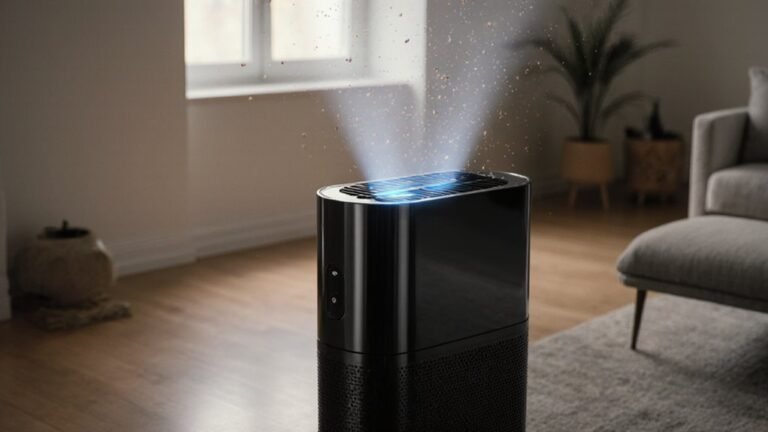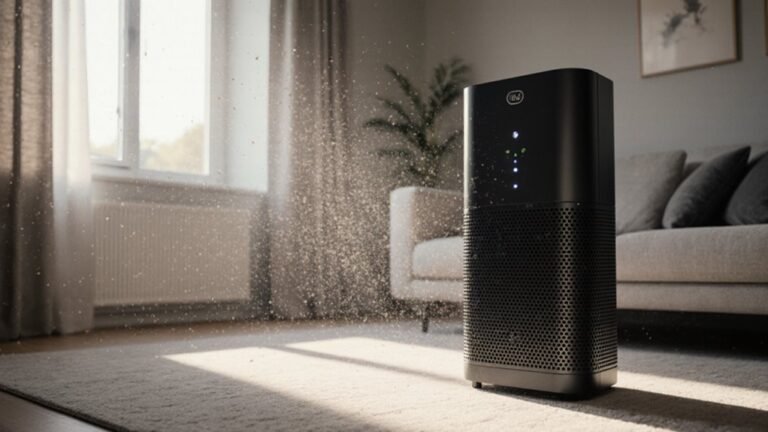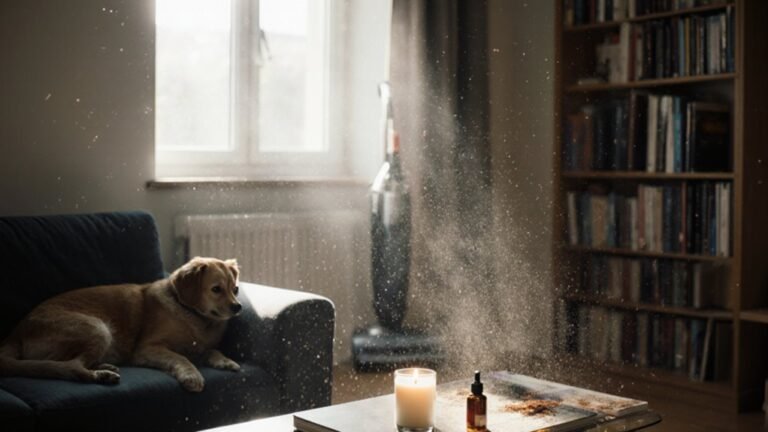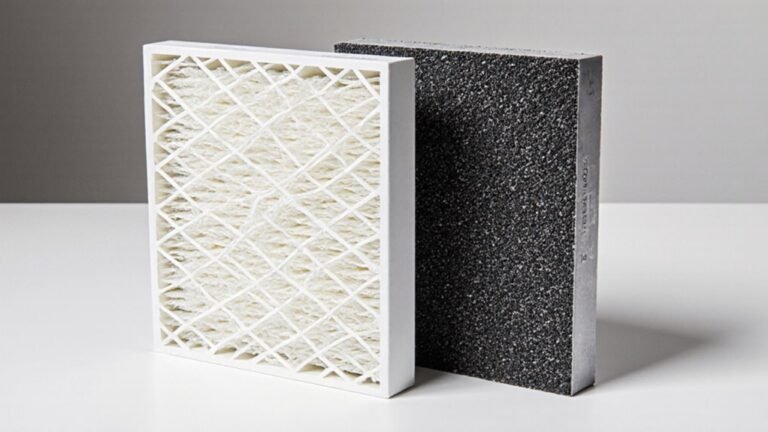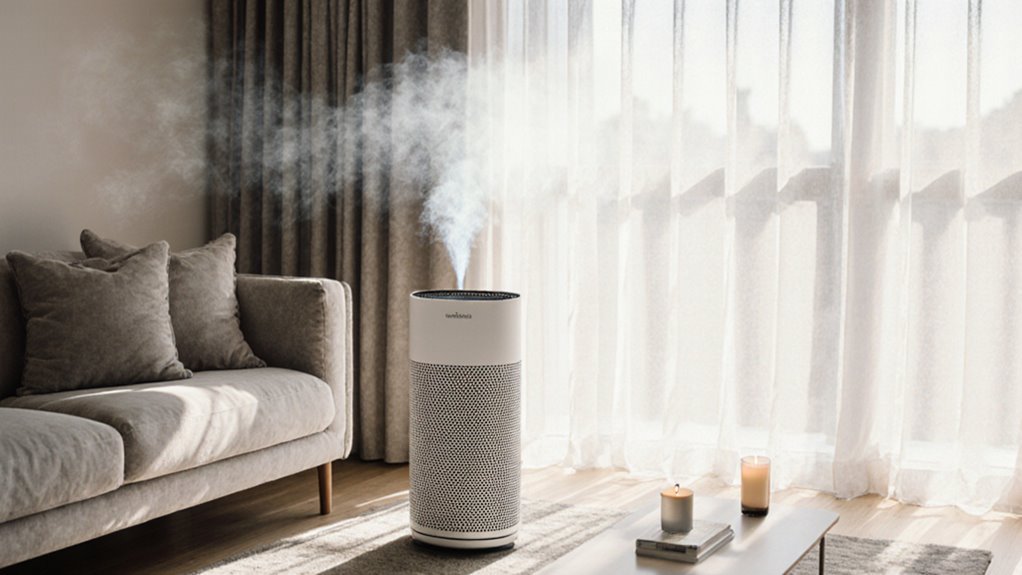

Air purifiers can reduce household odors when they include sufficient activated carbon to adsorb odor-causing gases. HEPA filters capture particles like smoke and dust, but do not remove gaseous smells. The purifier’s carbon quantity, airflow rate, and run time determine odor removal effectiveness. Placement near the odor source and regular filter replacement improve performance. Choosing a model with a dedicated activated carbon stage yields the most reliable odor control.
What Causes Household Odors?
In most homes, odors start with tiny airborne chemicals called volatile organic compounds, or VOCs. You pick them up from cooking, cleaning sprays, fresh paint, new furniture, and human emissions. Pets add their own scent, too, and microbial growth can make damp spots smell stale or sour.
Some smells come from smoke particles, but most linger because gas molecules drift into fabrics, carpets, walls, and cushions. That’s why one room can feel fine while another still carries yesterday’s dinner. Whenever heat or moisture rises, those odors can release faster and spread through your space.
You’re not imagining it, either. Your home simply holds onto scents in concealed places, and everyday life keeps adding new ones.
Can Air Purifiers Remove Odors?
Yes, air purifiers can help with odors, but they work best provided they’ve the right kind of filter. Whenever you pick one, look for strong gas-filter media, not just particle capture. That matters because smells usually come from airborne gases, and your purifier needs enough reach to pull them through.
Should you match the unit to your room and keep sensor calibration accurate, you’ll get steadier results and fewer surprises. You can also support the purifier with simple behavioral interventions, like opening windows, cleaning spills fast, and avoiding strong products.
These steps make your space feel fresher and more comfortable for everyone in it. Still, should odor have soaked into fabrics or walls, the purifier can only do so much.
How Air Purifiers Use Activated Carbon for Odors
Activated carbon works like a sponge for odor molecules, giving you a simple way to tackle smells that hang in the air.
You’ll usually see it inside a purifier as a dense filter layer that traps VOCs from cooking, smoke, pets, and more.
Over time, that carbon fills up, so you’ll need to replace it to keep the odor control working well.
Activated Carbon Basics
Charcoal’s quiet power makes activated carbon a favorite tool for fighting household odors, because it does something a regular filter can’t do well: it traps gas molecules from the air.
Through carbon activation, makers create a rich pore structure that gives each gram a huge surface area. You benefit because those tiny spaces give odor-causing vapors many places to cling, so smells from cooking, pets, or paint fade faster.
That said, the carbon needs enough depth and clean airflow to work well. A thin layer won’t help much, but a fuller bed can keep your room feeling fresher.
Whenever you choose a purifier, look for real carbon mass, not just a token sprinkle. Then you and your home team get better support, and the air starts to feel more welcoming.
Trapping Odor Molecules
As odor molecules drift through your home, activated carbon steps in like a quiet sponge, pulling those gas particles out of the air before they can continue spreading.
You breathe easier because the carbon’s tiny pores give smells a place to stick through adsorption.
That matters whenever cooking, pets, or smoke leave a lingering cloud that feels hard to shake.
- More carbon means more room for odor molecules to land.
- Good adsorption kinetics help smells get trapped faster.
- Surface regeneration can restore some trapping power in special systems.
Carbon Filter Maintenance
The scent-trapping power of a carbon filter only works well provided the filter stays in good shape, so maintenance matters more than people often expect. You help it through checking the prefilter often, because dust can block airflow and weaken odor capture. Then you watch for stale smells returning, since that usually means the carbon is full.
Most units need filter disposal once the maker says so, because spent carbon can’t keep adsorbing VOCs forever. Some brands offer carbon regeneration, but many home filters aren’t built for it. So you should follow the manual, keep the room ventilated, and replace the filter before odors settle back in. That way, your purifier keeps pulling its weight, and your space feels fresher for everyone.
Why HEPA Filters Alone Don’t Remove Smells
Even though your room still smells stale, a HEPA filter could be doing its job and still leave you disappointed, because it only traps particles, not the gas molecules that carry most odors. So you’re not imagining things. HEPA can catch dust, pollen, and smoke bits, but smell often comes from VOCs that slip right through.
That’s why sensor limitations can fool you too: a purifier might show clean air while your nose still notices the problem. And scent psychology matters. Whenever a smell lingers, you feel it in the space and believe the machine failed, even whenever it helped a little.
- HEPA targets solids, not gases.
- Odors often spread into fabrics and walls.
- You need gas-phase media for smell control.
Which Household Odors Air Purifiers Can Handle
Provided that your purifier only handles dust and smoke bits, you’re still left with the part of the problem that actually stings your nose. For odors, you need gas-fighting media, and that’s where many home smells start to shrink.
A good carbon filter can tackle cooking grease, fried fish, spice clouds, pet odor, and musty basement air because it traps volatile metabolites and other VOCs. It can also help with microbial emissions from trash, drains, and damp laundry, where scent perception stays sharp until the air clears.
Over time, olfactory adaptation might make a smell seem weaker, but the source can still linger. So, should you want your space to feel fresher and more like home, choose a purifier with enough activated carbon and steady airflow.
Which Odors Air Purifiers Can’t Eliminate
Some odors stay out of reach even though you run an air purifier, especially strong chemical fumes from paint, cleaners, or new furniture.
In case those fumes keep coming from the source, the purifier can only do so much.
It also can’t erase smells trapped in fabrics, walls, or carpets unless you clean or remove them.
Strong Chemical Fumes
Whenever a strong chemical smell fills your home, an air purifier can assist, but it usually can’t fix the whole problem. You might notice this with industrial solvents or fresh paint fumes, and that’s because the odor comes from gas, not dust. A purifier with a thick activated carbon filter can soften the smell, so you can breathe easier and feel less alone in the mess.
- HEPA alone won’t catch these fumes
- More carbon usually means better odor control
- Fresh air still matters a lot
If you’re managing a big burst of fumes, keep the purifier running near the source, and open windows whenever you’re able. That way, you give your space a better chance to feel safe, calm, and like home again.
Lingering Odor Sources
Sticky smells can feel like they’ve moved in for good, and that’s because many of them live in the room itself, not just in the air. You can run an air purifier all day, but it can’t reach every odor source hiding in fabric offgassing, carpet padding, or paint on the walls.
It also can’t fix microbial hotspots, like damp corners, sink cabinets, or pet bedding, where smells keep rebuilding. So in case you notice a stale, sour, or musty note, you’re often coping with soaked-in odor, not floating odor.
That means your purifier might help the room feel fresher, but you still need cleaning, drying, or removal of the source. Once you treat the source, you give the air purifier a real chance to help.
Best Air Purifier Features for Odor Removal
Whenever you need an air purifier to tackle odors, not just dust, the most essential feature is a strong gas-phase filter, especially a thick layer of activated carbon. You should look for high carbon loading, because more carbon gives smells more places to stick.
Good contact time matters too, so the fan should move air through the filter without rushing it. That balance helps you and your home feel fresher together.
- Choose a purifier with stated carbon weight, not just a thin black sheet.
- Match the unit’s airflow to your room so odor-laden air keeps circulating.
- Pick models with replaceable gas filters, since saturated media can’t keep doing its job.
HEPA still helps with smoke particles, but carbon handles the stubborn gases that make a room feel off.
How to Place an Air Purifier for Odors
Place your air purifier where the odor actually starts, because that’s where it can help the most. Assuming cooking smells linger, set it near the kitchen, but not right against the wall. Give it a little breathing room so air can move around it. That simple strategic placement helps the unit pull in the smelly air you want gone.
Next, consider airflow balancing. Keep doors open when you can, and avoid blocking vents or furniture. Should one room smells stronger, move the purifier there until the odor settles. You’ll also do better by closing windows during heavy odor bursts, then airing out later. With a few smart moves, you and your purifier can work together like a calm little cleanup team.
Why CADR and Filter Size Matter
As you’re trying to clear stubborn odors, CADR and filter size can produce a big difference. You’re not just moving air; you’re giving odor molecules more chances to meet the media. Higher CADR enhances airflow behavior, so your purifier pulls more of that smelly air through the filter each minute. A larger filter also adds filter depth and sorbent loading, which can hold more odor-causing gases.
- More airflow can increase contact time across the right media.
- Thicker carbon beds usually trap smells longer.
- Small filters might work, but they can fill up fast.
When you choose a unit that fits your room and your routine, you help your space feel fresher and more welcoming. That little bit of extra power can elevate your home feel like it belongs to you again.
Air Purifiers vs. Ventilation
Air purifiers can help with household odors, but ventilation often works faster because it actually moves the smelly air out of your home.
Whenever you open windows, you get natural ventilation, and fresh air can dilute cooking smells, pet odors, and paint fumes quickly. In case outside air isn’t enough, mechanical ventilation like exhaust fans or whole-home systems can pull stale air away and bring in cleaner air.
You’ll often notice the biggest relief whenever you do both: run the purifier while you air out the room. The purifier keeps cleaning what stays inside, and ventilation lowers the odor source in the air. That teamwork can make your space feel fresher, calmer, and more comfortable for everyone sharing it.
How to Choose an Air Purifier for Odors
Now that you know ventilation can clear odors faster, the next step is picking an air purifier that actually helps instead of just humming along and looking busy. Look for one with a real activated carbon filter, because HEPA alone catches particles, not most smell molecules. You also want enough carbon for the room size, since thin filters fill up fast and hurt filter lifespan.
- Check the carbon weight, not just the box claims.
- Match the purifier to your room so odors don’t win.
- Watch for noise tradeoffs, because a quiet unit you’ll run beats a loud one you’ll avoid.
If you share space with pets, cooking, or smoke, choose a model with clear VOC data and simple filter replacement. That way, you’ll feel more at home, not trapped in a room that still smells off.
Tips to Keep Your Home Smelling Fresh
Even small habits can make a big difference whenever you want your home to smell fresh, and fortunately is that you don’t need to chase every scent with perfume. Start with clean surfaces, open windows whenever weather allows, and take out trash before odors settle in.
Wash pet bedding often, and keep up with pet grooming so fur and dander don’t linger. In the kitchen, rinse pans right away and wipe the sink after meals.
Choose seasonal fragrances like citrus in summer or pine in winter, but keep them light so your space still feels like home. Also, vacuum carpets and wash throws, because fabrics hold onto smells fast.
Provided something still smells off, find the source and clean it, instead of masking it.
Frequently Asked Questions
Do Air Purifiers Remove Pet Dander Smells From Carpets?
You can reduce pet dander, trap allergens, and ease carpet odors with a purifier, but you will not eliminate them from carpets alone. Use enzyme cleaners, vacuuming, and ventilation; then you will freshen rooms and feel more at home.
How Long Does Activated Carbon Last Before Losing Odor Removal Power?
Activated carbon usually lasts weeks to months, depending on odor load, airflow and humidity. You will notice lifespan degradation whenever smells return. Replace it sooner provided you are fighting strong cooking, smoke or pet odors.
Can an Air Purifier Remove Smoke Odor From Walls and Furniture?
No. You cannot fully remove smoke odor from walls and furniture with an air purifier alone. After a fire you still need cleaning and surface restoration because smoke adsorption leaves odors trapped in materials.
Will a Purifier Help With Odors From a Dirty Refrigerator?
Yes, a purifier can help a bit, but you’ll get better results with cleaning tips and fridge maintenance. You need to remove spills, toss spoiled food, and wash shelves; then run carbon filtration nearby.
Are Ozone-Generating Purifiers Safe for Household Odor Control?
No, you should not trust ozone generating purifiers for odor control. They can create health risks, and their ineffective claims often hide that they might worsen indoor air. You are better off choosing carbon filtration and ventilation.