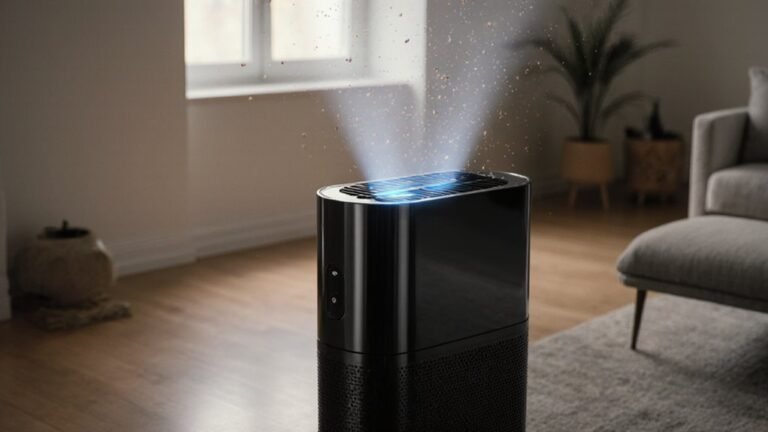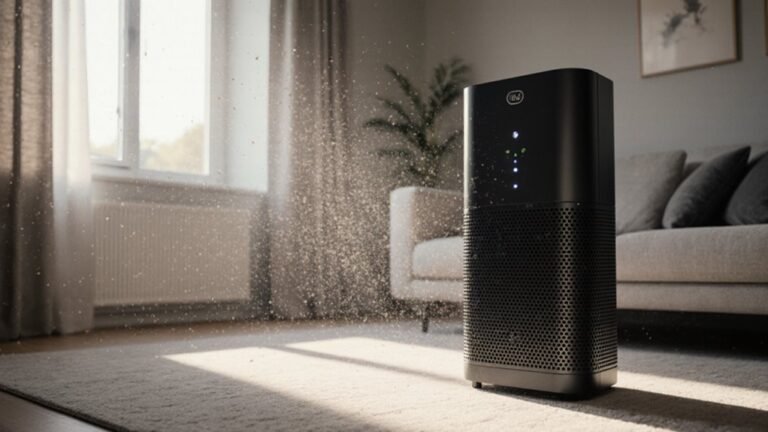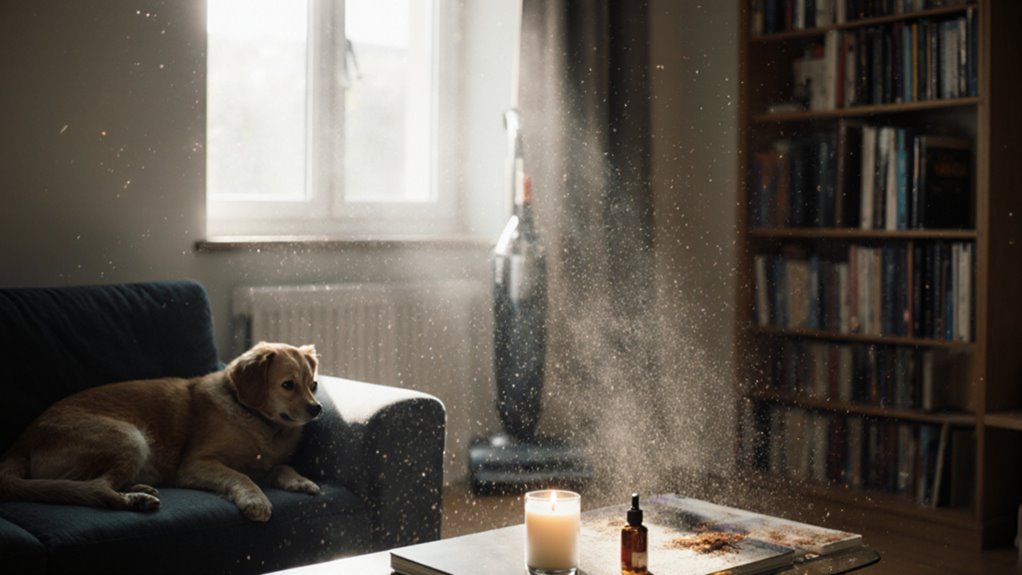

Indoor air often contains higher concentrations of pollutants than outdoor air. Everyday activities release particles and gases: dust from furniture, cleaning chemicals, cooking smoke, pet dander, and off-gassing from carpets and paint. Poor ventilation traps these contaminants, allowing levels to climb indoors. Damp conditions promote mold growth and increase airborne spores. That trapped mix can make homes feel stuffy, trigger irritation, and affect health over time.
What Pollutes Indoor Air?
The air inside your home can carry more than you believe. You breathe in particles from building materials, like paint, sealants, and old flooring, plus gases that slip out of carpets and furniture. Then indoor chemistry can change those compounds into even harsher irritants whenever they mix with sunlight, heat, or cleaning sprays.
Dust, pet dander, mold, and smoke can join the mix too, so the air might feel still while pollution builds. Because you spend so much time indoors, these small amounts can add up fast. That’s why your rooms matter so much. Once you understand what’s in your air, you can feel less alone and more ready to protect the place that’s supposed to feel safest.
Common Sources of Indoor Air Pollution
You can often trace indoor air pollution to the things you use every day, like cleaning products, cooking, and heating.
Whenever you spray cleaners, fry food, or burn fuel, you release particles and gases that can linger in the air you breathe.
In case your home also has damp spots, mold can grow quietly and add another layer of trouble.
Household Cleaning Products
Household cleaning products can freshen a room fast, but they can also send a mix of chemicals into the air you breathe. Whenever you spray, wipe, or scrub, tiny fumes can linger, especially provided the windows stay closed. You might notice strong odors, but fragrance chemicals are only part of the story. Some formulas release vapors that can bother your eyes, nose, and throat.
- Read product labeling before you buy.
- Choose low-odor options whenever you can.
- Open a window while you clean.
- Store bottles tightly sealed.
- Mix products never, even accidentally.
Should you live with kids, older adults, or anyone sensitive, these choices matter more. Small changes can help you clean with confidence and feel like your home still belongs to everyone inside.
Cooking And Heating
Cooking and heating keep a home warm and welcoming, but they can also fill indoor air with pollutants fast. Whenever you fry, bake, or use gas, stove emissions can add fine particles and gases to the room you share with family. Heating systems can do the same, especially whenever you skip heater maintenance or burn fuel in a closed space.
| Source | Main Pollutant | Easy Fix |
|---|---|---|
| Gas stove | Nitrogen dioxide | Use a vent fan |
| Oven use | Fine particles | Cover pans |
| Space heater | Carbon monoxide | Check vents |
| Fireplace | Smoke | Clean yearly |
You deserve clean air where you eat and rest. So cook with lids, open a window, and keep burners, filters, and vents in good shape.
Mold And Dampness
Once a home feels damp, mold can start to grow quietly on walls, ceilings, windows, and even concealed spots behind furniture. You mightn’t see it right away, but hidden spores can ride the air and settle into your lungs.
That’s why you should watch for musty smells, water stains, peeling paint, and soft drywall.
- Check bathrooms and basements often.
- Dry leaks fast with fans and open doors.
- Use moisture mapping to find wet trouble spots.
- Clean small areas with care and gloves.
- Fix poor airflow so damp air doesn’t linger.
When you act promptly, you protect your space and the people in it. You also make your home feel safer, cleaner, and easier to breathe in, which everyone deserves.
Why Indoor Air Gets Stale
Even although your home looks clean, the air inside can still feel stale because it keeps collecting what people, pets, and everyday life leave behind. When stagnant airflows slow down, your rooms can hold onto odors, moisture, and tiny particles longer. Higher occupant density adds more breath, skin flakes, and movement, so the air gets busy fast.
| What you notice | Why it happens |
|---|---|
| Heavy air | Less fresh air moves through |
| Lingering smells | Particles stay trapped |
| Dusty corners | Air barely reaches them |
| Close, crowded feel | More people share one space |
You might notice this most in bedrooms, offices, and family rooms where doors remain shut. Small habits, like cooking, cleaning, and walking around, stir things up again. So, stale air is really your home asking for a little more airflow and space to breathe.
How Indoor Air Quality Affects Health
Poor indoor air can make your lungs work harder, so you might cough, wheeze, or feel short of breath more often.
It can also bother you with dust, smoke, mold, and chemical fumes that trigger allergies, eye irritation, or throat pain.
Over time, breathing dirty air day after day can strain your body and raise your risk of lasting health problems.
Respiratory Health Risks
Whenever indoor air carries too many irritants, your lungs often feel it initially, because you breathe that air repeatedly for hours at a time. With poor ventilation equity, your home or workplace can trap fine particles and fumes, and that raises occupation exposure fast. You might notice a tight chest, a dry cough, or breathing that feels harder after long indoor stretches.
- You inhale the same air over and over.
- Tiny particles can reach deep into your lungs.
- Stale rooms let pollutants build up.
- Sensitive lungs can react sooner than you expect.
- Better airflow can ease that burden.
If you spend most of your day inside, the dose adds up. That’s why cleaner air matters in bedrooms, offices, and shared spaces. It helps you breathe easier and stay part of your community.
Allergens And Irritants
All around you, indoor air can carry tiny things that bug your nose, eyes, and throat, and that’s why allergens and irritants matter so much. You might breathe in pet dander from a couch, textile fibers from a rug, or dust stirred up whenever you walk across the room. These particles can make you sneeze, cough, or feel scratchy, even in a home that looks clean.
Then strong smells from cleaners, paint, or air fresheners can sting your eyes and throat too. Because you spend so much time inside, these triggers can keep showing up and make daily life feel harder. The encouraging part is that you’re not stuck with them. Once you notice patterns, you can choose better cleaning habits, improve airflow, and feel more at ease.
Long-Term Exposure Effects
Those sneezes, scratches, and stings can be the initial hints of a bigger story, because indoor air doesn’t just bother you for a moment, it can shape your health over time. Whenever you breathe polluted air day after day, your body carries a cumulative burden that can wear down your lungs, heart, and nerves. Since you spend so much time indoors, small exposures stack up faster than you could expect.
- You might feel more tired.
- Your breathing can get harder.
- Headaches could show up often.
- Asthma can flare more easily.
- Your risk can rise quietly.
This matters even more whenever exposure inequality leaves some homes with poorer ventilation, older materials, or more smoke and mold. You deserve air that helps you feel safe, steady, and like you belong in your own space.
Signs Your Home Has Poor Indoor Air Quality
| Sign | What it can mean |
|---|---|
| Musty smell | Mold or trapped moisture |
| Frequent headaches | Irritants or lingering fumes |
| Stale, heavy air | Low ventilation |
| More coughing indoors | Dust, smoke, or dander |
These clues often show up together, so trust your senses. Whenever your home feels less comfortable than it should, you’re not being picky. You’re noticing a real signal that deserves attention.
How to Improve Indoor Air Quality
Start with the biggest wins: bring in cleaner air, cut the pollution you make inside, and stop stale air from hanging around. Open windows whenever outdoor air is clean, and use smart ventilation to move fresh air through your rooms.
Then, lower smoke, strong cleaners, and extra cooking fumes at the source. You can also make your space feel calmer and fresher with DIY plantscaping, which adds greenery and a welcoming touch.
- Run kitchen fans while you cook.
- Choose low scent products.
- Clean dust with a damp cloth.
- Wash bedding often.
- Keep entryways tidy so dirt stays out.
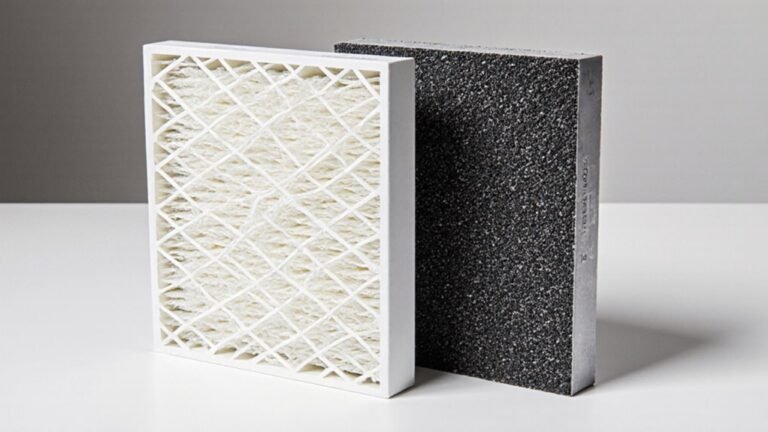
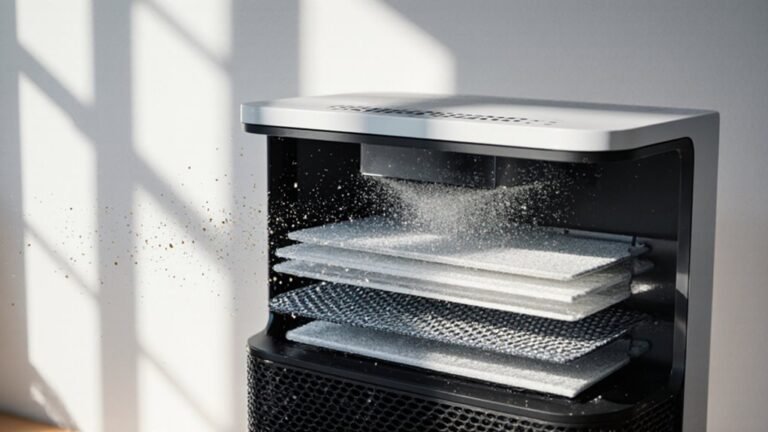
Also, change HVAC filters on time and use a HEPA air cleaner in busy rooms. Small steps like these help you and your people breathe easier together.
When to Test or Call a Pro
Should your home still feel stuffy, dusty, or musty after you’ve cleaned and aired it out, it could be time to check the air or call a pro.
In case you notice headaches, coughing, eye irritation, or breathing trouble that keeps returning, don’t brush it off. Those signs can mean mold, gas leaks, radon, or other concealed problems. A professional assessment helps you find the source fast, so you can stop guessing and start fixing.
When you smell something sharp, see water damage, or live near smoke, examine sooner. And should you suspect a major leak, strong fumes, or carbon monoxide, leave right away and get emergency mitigation.
You deserve a home that feels safe, calm, and truly yours, not one that keeps making you ponder.
Frequently Asked Questions
Why Do People Receive More Exposure Indoors Than Outdoors?
You spend more time indoors so your exposure adds up. Indoor pollutants often linger and occupant behavior like cooking or cleaning can raise levels, making your daily dose higher than outdoors.
How Do Indoor Surfaces Store and Re-Release Pollutants Over Time?
Indoor surfaces trap pollutants as adsorbed pollutants and then slowly release them whenever temperature, humidity, or airflow changes. You will see sink dynamics at work: carpets, walls, and dust store chemicals and later re release them into your air.
Can Indoor Chemistry Create New Pollutants From Cleaning Products?
Yes, you can create secondary pollutants if cleaning products react with ozone or sunlight driven indoor photochemistry. You will breathe irritants like formaldehyde and ultrafine particles, but good ventilation and low emission cleaners help keep your home safer.
Why Are Ultrafine Particles Harder to Remove Indoors?
Ultrafine particles cling like invisible dust sprites, and you cannot easily sweep them away because particle diffusion keeps them suspended while electrostatic adhesion lets them stick to surfaces, air flows, and your home’s concealed nooks.
How Does Radon Enter Homes Through Foundations and Cracks?
Radon enters your home whenever soil gas seeps through foundation breaches such as cracks, gaps, and joints. You will breathe it indoors if ventilation cannot dilute it, so sealing openings and assessing regularly helps protect your household.