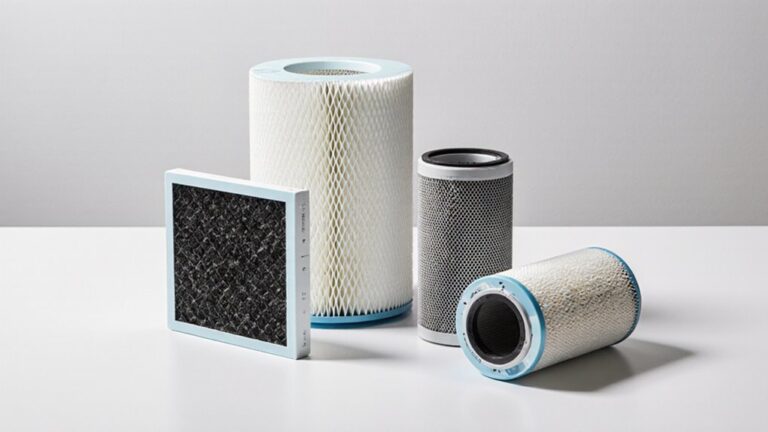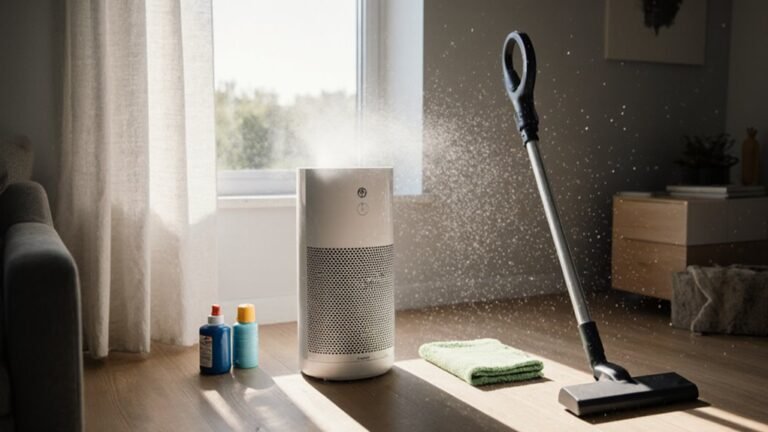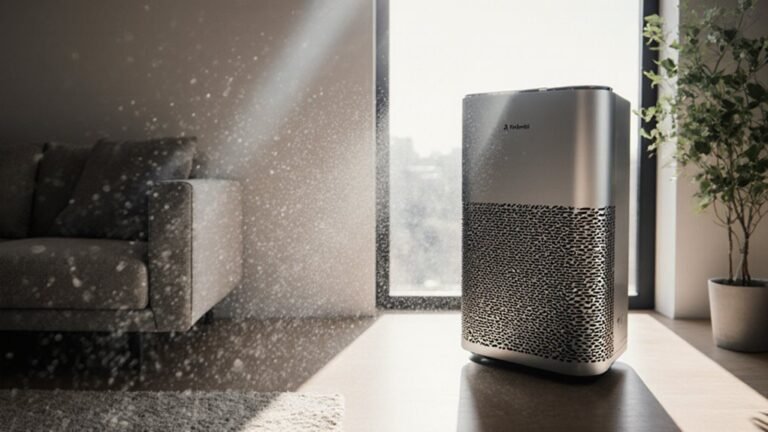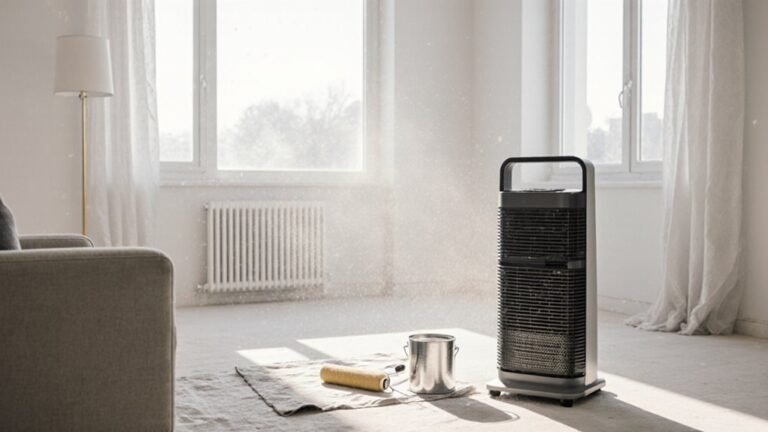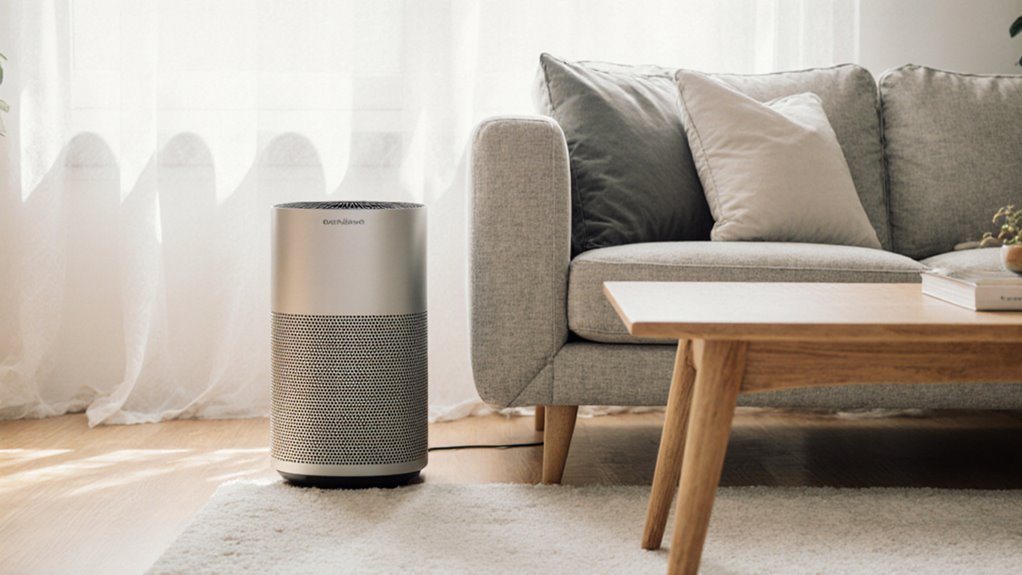

Yes — air purifiers can reduce off‑gassing from new furniture, especially with the right filter and placement. High‑efficiency particulate air (HEPA) filters remove particles while activated carbon captures many volatile organic compounds (VOCs) released by finishes and adhesives. Proper airflow, continuous operation for several days, and choosing purifiers with adequate coverage increase effectiveness. Source control, ventilation with outdoor air, and airing out new pieces speed up fume reduction. This article explains which filters work best, realistic expectations, and practical steps to lower chemical smells fast.
What Causes New Furniture Off-Gassing?
New furniture can smell “new” for a reason, and that smell often comes from off-gassing. You’re not imagining it, and you’re not alone. Many pieces release chemical emissions from glues, foams, stains, and pressed wood.
These materials keep working after the box is opened, so the scent can linger. Your furniture’s curing timeline matters too. Fresh adhesives and finishes give off more compounds at the outset, then slow down over days or weeks.
Heat and humidity can speed that release, which is why a warm room might feel stronger. Even so, the smell usually fades as the item settles in. So once you notice that sharp indoor odor, you’re really picking up the materials’ slow shift from factory-fresh to fully set.
Can Air Purifiers Reduce Furniture Off-Gassing?
Yes, an air purifier can help lower the VOCs that new furniture releases into your room, but it won’t stop the furniture from off-gassing at the source.
You’ll get the best results from a purifier with a thick activated carbon filter, and HEPA alone won’t catch these gases. For tougher fumes like formaldehyde, look for models with specialty sorbents and keep the unit running near the furniture.
VOC Removal Limits
Air purifiers can help with furniture off-gassing, but they can’t make it disappear on their own. You’ll notice the biggest gains provided you pair them with fresh air, because VOCs keep leaving the furniture surface. Even a strong carbon filter has limits: sorbent saturation slowly fills the media, and weak contact time lets gases slip through. That means the purifier works best at first, then less well as the load builds.
Formaldehyde can be especially stubborn, so you might still smell it after the room feels cleaner. Still, you’re not stuck. In case you run the unit near the new piece and keep airing the room out, you’ll lower indoor levels more steadily. That steady support can make your home feel safer and more comfortable.
Best Purifier Features
Whenever/Should you want an air purifier to help with furniture off-gassing, the features matter a lot. You need a unit with a thick activated-carbon bed, because HEPA alone won’t catch gases. Look for specialized sorbents for formaldehyde, plus a strong CADR that still keeps airflow steady.
Place it close to the new sofa or dresser, and keep it running day and night during the initial weeks. You’ll also want silent operation, so you can sleep, work, and stay with your people without extra stress. Check for easy filter access, clear replacement alerts, and adsorbent regeneration should the model supports it.
That way, you protect your home, lower odors faster, and feel more settled while the new furniture finishes off-gassing.
How Air Purifiers Help With VOCS
Purifiers can take the edge off VOCs from new furniture via pulling those chemical vapors out of the air before they keep building up in your room. You’re not stuck with that fresh-box smell, and you don’t have to just wait it out alone.
| What you do | Why it helps | Your payoff |
|---|---|---|
| Set sensor placement near the sofa | You track the worst spot | You stay informed |
| Follow maintenance scheduling | You keep airflow steady | You avoid weak cleanup |
| Run the purifier daily | It keeps working on fumes | Your air feels calmer |
| Place it close to the source | It catches VOCs sooner | Less odor hangs around |
| Pair it with fresh air | You ease the load | You breathe with more ease |
That mix helps your space feel safer, warmer, and more like home for everyone.
Best Air Purifier Filters for VOCs
Usually, the best air purifier filters for VOCs do one thing very well: they trap and hold chemical gases before those smells and fumes keep drifting through your room. You’ll feel better whenever you choose the right media, because it can make your space feel calmer and more like home.
- Thick activated carbon catches many common fumes fast.
- Specialized sorbents help with formaldehyde and improve sorbent longevity.
- Combined HEPA plus carbon handles particles and gases together, which fits shared spaces well.
You should also watch for ozone concerns, since some devices create more harm than help. Look for clear filter specs, enough carbon mass, and easy replacement. Whenever you pick well, you’re not just buying a machine. You’re choosing cleaner air for the group you live with, and that can feel like a real win.
Where to Place an Air Purifier in the Room
Place your air purifier near the new furniture, because that’s where the most VOCs are often coming from.
Keep it in a centered spot provided you can, so air can move around the whole room instead of getting trapped in one corner.
Make sure the intake and outlet stay clear, since good airflow helps the purifier work harder for you.
Centered Room Placement
As you set an air purifier in the center of the room, you give it the best chance to catch the VOCs drifting off new furniture from every side. This centered spot creates focal symmetry and supports acoustic balance, so the room feels calm and shared. You also let air move around the unit, which helps it work more evenly for everyone nearby.
- Keep it open on all sides.
- Set it where people gather most.
- Let it run steadily, not just now and then.
That steady placement helps you breathe easier without crowding the space. It can feel like a small act of care, and that matters whenever you’re making a new room feel like yours. Should the purifier stand in the middle, it can join the room instead of hiding in a corner.
Near Off-Gassing Source
That centered spot works well for shared comfort, however new furniture often sends most of its fumes from one clear source, so you can help sooner by moving the purifier near that item.
You’re not trying to hover over it; just set the unit close enough for localized ventilation to catch the air that rises from the sofa, dresser, or table.
This helps the purifier work on the strongest odor initially, instead of letting odor masking do all the work.
As you place it, give the intake a little space and keep the unit facing the room so the cleaner air can spread naturally.
In case the smell feels strongest at night, leave it nearby and run it steadily.
Small moves like this can make your room feel more welcoming.
Clear Airflow Paths
A clear path for air can make a big difference, especially as your purifier is working near new furniture that’s still giving off smells. You want furniture free airflow so the unit can pull in odor-filled air and send out cleaner air without strain. Keep vent blocking furniture, curtains, and baskets away from the intake and outlet.
- Place the purifier 3 to 6 feet from the furniture.
- Aim the front or intake toward the off-gassing item.
- Leave open space around both sides for easy circulation.
When you do this, you help the purifier reach more of the room, and you might notice the scent easing sooner. It’s a small setup shift, but it can make your space feel calmer and more like home.
What Air Purifiers Can’t Capture
Even the best air purifier can’t catch everything, and that’s the part many people miss whenever a new couch or dresser starts to smell up the room. You can breathe easier, but you can’t expect one machine to fix every symptom or silence every tone of odor.
| What slips by | Why it matters | Your experience |
|---|---|---|
| Fresh VOC bursts | Gas keeps leaving the surface | The room still feels “new” |
| Formaldehyde | Small, stubborn molecule | Nose and eyes might sting |
| Sensor limitations | Readings miss tiny spikes | Health messaging feels mixed |
| Concealed seams | Trapped pockets release slowly | Odor returns after quiet hours |
That’s why you could still notice headaches or throat irritation even with a purifier running. It helps, but it isn’t magic, and you deserve clear expectations. Whenever you know its limits, you can stay calmer, feel less alone, and trust the process more.
How to Reduce Off-Gassing at the Source
Positive update is that you can cut a lot of the smell and irritation before the air purifier even has to work overtime. Start with material selection, because low-VOC wood, solid wood, and water-based finishes usually give your home a gentler welcome.
Then use pre treatment airing in a garage, porch, or spare room with open windows for a few days.
- Unbox furniture promptly so VOCs can escape sooner.
- Keep the room cool and dry, since heat and moisture can speed up fumes.
- Wipe surfaces gently to remove extra residue.
You can also ask stores for product data sheets and choose pieces with fewer glues, foams, or coatings.
Once you take these steps, you help your space feel safer and more like home, even before the purifier joins the team.
How to Choose an Air Purifier for Furniture Off-Gassing
Once you’re choosing an air purifier for new furniture off-gassing, focus on more than just a big fan and a shiny label, because the real job is to catch gases, not just dust. Pick a unit with a thick activated carbon bed, or better yet, one crafted for formaldehyde and other VOCs.
HEPA helps with particles, but it won’t solve odor on its own. Next, match the CADR to your room size, then place the purifier 3 to 6 feet from the furniture so it can work close to the source.
Check sensor calibration in case the unit uses air sensors, so readings stay honest. Also, look for easy filter replacement and clear warranty coverage, since the best purifier should feel like a dependable teammate, not a mystery box.
Frequently Asked Questions
How Long Does Furniture Off-Gassing Typically Last?
Furniture off-gassing typically lasts weeks to months, with the strongest emissions in the initial 24 to 72 hours. The exact duration depends on materials, temperature, and humidity, so emission timelines can be longer for some pieces.
Are Certain Materials Worse for Off-Gassing Than Others?
Yes. Synthetic plastics, composite woods, foams, and finishes usually off-gas far more than natural fibers, so you’re not imagining that sharp, punchy smell. Choosing natural fibers can help you feel more at home, faster.
Does Temperature Affect How Fast Furniture Releases VOCS?
Yes, temperature influences emission kinetics: warmer air speeds furniture’s VOC release, while cooler, drier conditions slow it down. You will notice stronger odors faster in heat, so ventilate well and let new pieces air out sooner.
Can Off-Gassing Trigger Asthma or Allergy Symptoms?
Yes, you are likely to notice asthma exacerbation or allergy-like irritation, especially if you have chemical sensitivity. You are not imagining it: VOCs and formaldehyde can trigger coughing, wheezing, itchy eyes, headaches, and throat discomfort.
When Should Carbon Purifier Filters Be Replaced?
Replace carbon purifier filters when odors return, airflow decreases, or your scheduled maintenance indicates replacement. Follow the expected filter lifespan, typically a few weeks to several months, and replace sooner if strong off-gassing persists.