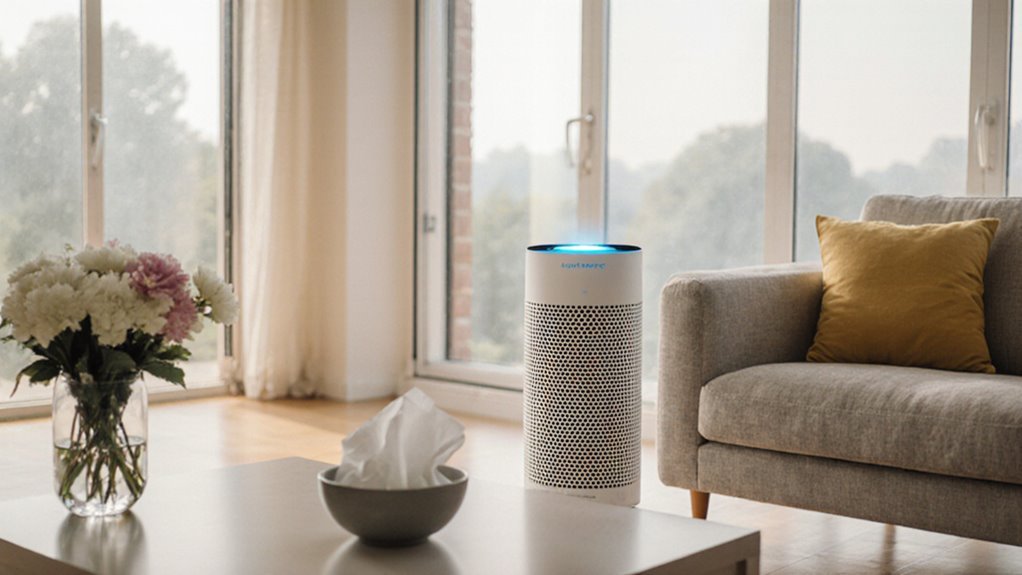

Summer pollen fills the air and can make indoor spaces trigger sneezing, itchy eyes, and congestion. A true HEPA air purifier captures pollen, mold spores, dust, and pet dander before they reach your breathing zone. Choose the right purifier size, place it in the room where most time is spent, and run it during sleep for continuous relief. Regular filter replacements and proper placement keep performance steady. Small mistakes like wrong fan settings or blocked airflow can quickly reduce effectiveness.
What Causes Summer Allergy Symptoms?
Summer allergy symptoms usually start as your nose, eyes, and throat react to tiny things floating in the air, like pollen, mold spores, and pet dander.
Whenever you breathe them in, your body can treat them like trouble and release histamine, which brings sneezing, itching, and a runny nose.
Heat triggers can make you feel worse because warm, dry air can spread pollen and dry out your airways.
Outdoor timing matters too, since counts often rise in the morning and on windy days, so you might notice symptoms after yard work, walks, or sports.
Should mold grow in damp spots, it can add another layer of irritation.
You’re not imagining it, and you’re not alone. Your body’s response just gets louder whenever exposure builds.
How Air Purifiers Remove Summer Allergens
As you run a true HEPA air purifier, it traps tiny pollen particles before they can keep bothering you.
It also helps filter dust and mold spores floating in the air, which can make your summer allergies feel even worse.
For the best results, you’ll want to keep it on in the room you use most, so it keeps cleaning the air around you.
Capturing Pollen Particles
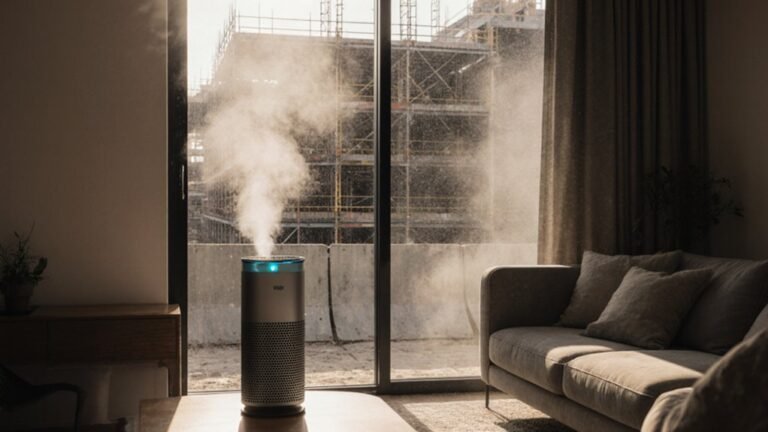
Pollen can drift through your home like tiny troublemakers, but a good air purifier can catch a lot of them before they keep bothering your nose and eyes. You’ll get the best help whenever the filter matches pollen chemistry and outdoor transmission, because these grains ride in from open doors, windows, and your clothes.
| What helps | Why it matters |
|---|---|
| True HEPA | Traps most pollen |
| Right CADR | Cleans your room faster |
| Continuous use | Keeps pollen levels lower |
| Door and window control | Cuts new pollen in |
Whenever you keep the unit running, you give your space a steadier, calmer feel. That matters whenever allergy season makes you feel left out of your own home. You don’t need a perfect house, just one that works with you.
Filtering Dust And Mold
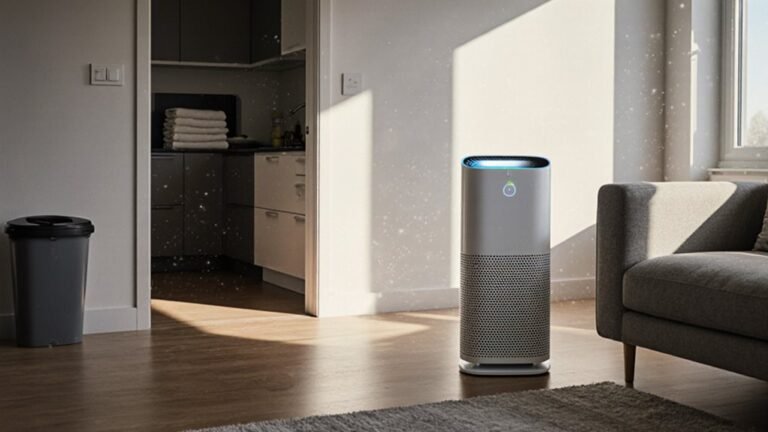
After you’ve cut down on the pollen that slips in from outside, the next big win is tackling the tiny stuff that likes to settle indoors. Your air purifier helps by pulling dust and mold spores through a true HEPA filter, which traps particles that would otherwise float around your room and bug your nose.
- Place it in your bedroom.
- Keep windows closed on humid days.
- Run it all day for steadier dust reduction.
- Check filters so airflow stays strong.
- Consider mold screening should damp spots keep coming back.
You’ll breathe easier whenever the air stays cleaner, and you won’t feel like you’re fighting your home.
Pair the purifier with regular vacuuming and dry, fresh rooms, and you give yourself a much calmer summer indoors.
Best Air Purifier Features for Pollen Control
Whenever you’re choosing an air purifier for pollen control, start with true HEPA filtration because it traps tiny pollen particles very well.
You’ll also want a high CADR rating so the unit can clean your room fast enough to keep pollen levels lower.
Together, these two features give you the strongest chance for real allergy relief.
HEPA Filtration
A good HEPA filter can be a real relief tool in case spring air keeps making your nose run and your eyes itch. You’re not fighting pollen alone; you’re building a calmer room where you can breathe easier. With true HEPA filtration, your purifier traps tiny pollen bits, so fewer float around your space. Check filter certification so you know the label is real, not just clever marketing. Then stay on top of HEPA maintenance, because a clogged filter can’t keep up.
- Choose true HEPA, not vague claims.
- Match the unit to your room.
- Run it often for steady comfort.
- Replace filters on schedule.
- Pair it with clean windows and doors.
That simple routine helps you feel less stuck with allergy season.
High CADR Ratings
High-CADR power matters because pollen doesn’t sit still, and you shouldn’t have to breathe through a cloud of it all day. Whenever you pick a purifier with a high CADR, you help your room get a rapid exchange of air, so pollen gets pulled out faster. That matters most in bedrooms and family spaces where you spend hours relaxing and feeling like yourself.
Look for oversized units only provided they match your room size, because a big box with weak output can still leave you stuck sneezing. With continuous operation, the purifier keeps freshening the air instead of falling behind after one busy afternoon. So you can settle in, take a deep breath, and feel more at ease with the people around you.
Which Filters Work Best for Allergens?
Which filters work best for allergens? You’ll get the best relief from true HEPA filters, because they trap pollen, mold spores, and pet dander from the air you breathe.
- Choose certified True HEPA
- Match CADR to your room
- Check filter lifespan often
- Notice noise levels before buying
- Add activated carbon for odors
When you pick a purifier that fits your space, you help your home feel calmer and more welcoming. HEPA works best for airborne allergens, while MERV 11 to 13 filters can support whole-home cleaning through your HVAC system.
Avoid ionizers and ozone devices, since they can irritate your nose and throat. Also, replace filters on time so dust doesn’t sneak back out. With the right setup, you can breathe easier and feel more at home during allergy season.
Where to Place an Air Purifier at Home
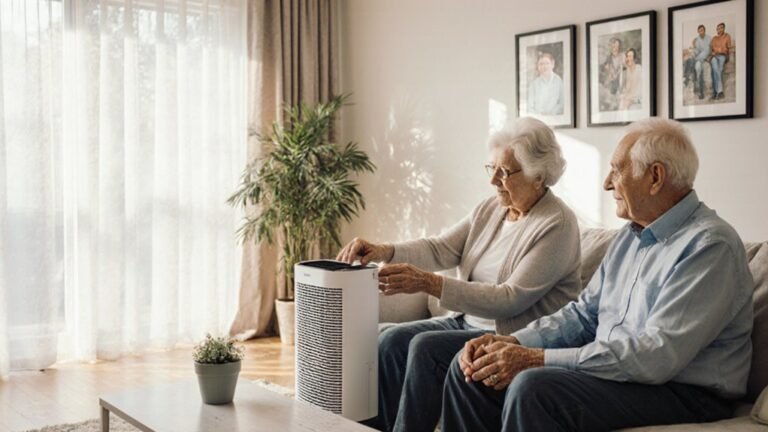
Place your air purifier near where you spend the most time, because that’s where clean air helps you the most.
In bedroom placement, set it a few feet from your bed so air can move freely while you rest. Should you work or read in one room, choose that spot instead, since steady comfort matters.
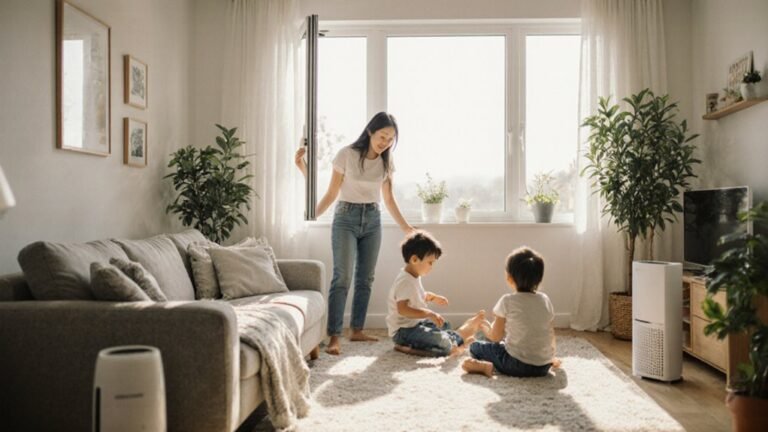
Keep window exclusion in mind, because open windows let pollen drift back inside and weaken the benefit. Also, avoid tucking the unit behind furniture or curtains, since blocked airflow can leave you breathing the same stuffy air.
Put it on a flat surface, and make sure doors can close well. In case your home has several busy spaces, you might require more than one purifier, so everyone feels included in the relief.
How to Use Air Purifiers More Effectively
To get the most from your air purifier, let it work as part of your daily routine, not just whenever symptoms flare up. You’ll breathe easier once you keep it on, size it for the room, and close doors so clean air stays where you need it.
- Match the unit to your space.
- Use window management on high-pollen days.
- Keep bedroom zoning simple with one purifier near your bed.
- Replace filters on schedule.
- Let it run while you sleep.
If you tidy, vacuum, and wash bedding too, your purifier can do its job better. This steady setup helps you feel like you belong in your own home again, even during summer pollen tries to crash the party.
How Air Purifiers Compare to Other Allergy Relief Options
Compared with other allergy relief options, air purifiers can help most with what’s floating in the air right now, but they can’t do everything on their own.
You might notice less pollen in your breathing space, especially during use of a true HEPA unit in the room where you sleep or relax.
In a cost comparison, purifiers often beat constant medication use over time, but filters and power still add up.
In contrast, medicines can calm symptoms anywhere, and cleaning helps remove dust that settles on surfaces.
For lifestyle integration, purifiers fit best whenever you want steady support with little effort. Still, you’ll get the strongest relief if you pair them with good habits and the care your body needs.
Common Mistakes That Hurt Indoor Air Quality
Even with a good air purifier, a few common mistakes can quietly undo your hard work and leave your home feeling stuffy, dusty, or itchy again.
You can keep your space calmer by spotting the habits that stir allergens back into the air.
- Don’t crack an open window whenever pollen counts are high.
- Skip scented candles that add extra irritants.
- Keep doors closed so outdoor air doesn’t rush in.
- Clean dust from shelves, vents, and fans often.
- Replace filters on time so the unit keeps working well.
Whenever you fix these small slips, you help your purifier do its job and make your home feel more comfortable for everyone who lives there.
You’re not failing provided this takes practice.
You’re just learning what helps your indoor air stay steady, fresh, and easier to breathe.
Choosing the Right Air Purifier for Summer
As summer pollen starts drifting through your home, the right air purifier can make a real difference in how you feel day to day. You want true HEPA filtration, because it grabs most pollen and mold spores that trigger that scratchy, tired feeling.
Next, match the CADR to your room size so the unit can keep up without wasting energy. For shared spaces, a larger model often feels like better company, while a smaller one suits your bedroom.
Seasonal selection matters too, since summer needs stronger pollen control and quieter nighttime use. Check filter costs, noise, and portable maintenance before you buy, because easy care helps you stick with it.
Then place it where you rest most, and let it run steadily.
Frequently Asked Questions
Can Air Purifiers Help With Summer Allergy Symptoms at Night?
Yes, they can help at night if you use nighttime filtration and place the unit wisely in the bedroom. You’ll breathe less pollen and mold, though you’ll still need regular cleaning, fresh filters, and medication for best relief.
How Often Should HEPA Filters Be Replaced for Allergy Control?
You should replace HEPA filters every 6 to 12 months, but your filter lifespan depends on use and air quality. Watch replacement indicators like reduced airflow, odors, or visible dirt, and change it sooner should the need arise.
Do Air Purifiers Reduce Mold Spores During Humid Summer Weather?
Yes, you’ll reduce airborne mold spores with a true HEPA purifier, but you can’t fix dampness alone. Pair it with mold prevention and humidity control, or spores keep growing and your relief stays limited.
Are Portable Air Purifiers Worth the Cost for Allergy Sufferers?
Yes, you might find them worth it provided your room is a pollen shield. Their cost benefit improves with true HEPA portable efficiency, steady use, and smart sizing, helping you breathe easier and feel included indoors.
Can an Air Purifier Replace Medication for Seasonal Allergies?
No, you cannot rely on an air purifier alone to replace medication. It helps as one of your medication alternatives, but long term management usually works best when you combine it with medicines and allergen control.