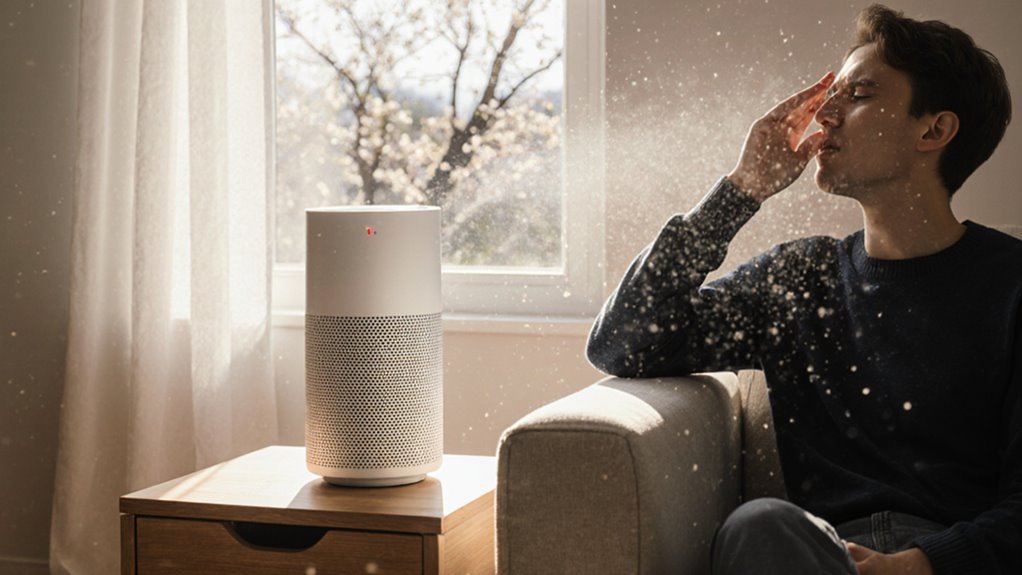

Yes — a quality air purifier can reduce seasonal allergy symptoms by removing pollen, dust, and mold spores from the air you breathe most. Not every model performs equally; HEPA filters and proper CADR ratings matter. Placement matters: a purifier works best in the room where you spend the most time, especially the bedroom. Regular maintenance, including timely filter replacement, keeps performance strong. Choosing the right unit and using it correctly can lead to clearer mornings and fewer irritated eyes and nasal passages.
Do Air Purifiers Help With Seasonal Allergies?
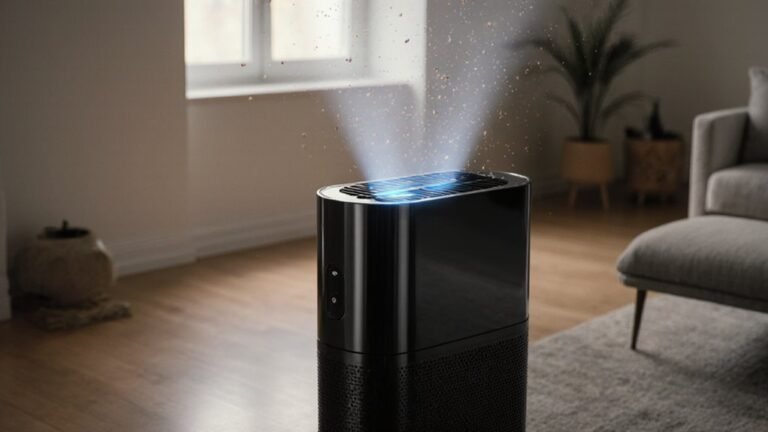
Yes, air purifiers can help with seasonal allergies, especially while pollen makes your home feel like a sneaky outdoor trap.
You can lower airborne exposure by running a true HEPA unit in your bedroom and main household space, where you spend most of your time.
That matters because less pollen in the air can ease symptom perception, so your nose, eyes, and throat might feel calmer.
You’ll often notice the best support at night, whenever steady cleaning helps you wake up less stuffed up.
For stronger results, keep windows closed during high pollen days and choose a purifier sized for the room.
If you share space with others, everyone could breathe easier, and that can make allergy season feel a little less lonely.
How Air Purifiers Capture Allergens
Air purifiers help most while you understand how they catch the tiny bits that trigger your symptoms.
Inside the unit, filtration mechanics guide air through a dense screen, and particle interception grabs pollen, dust, and mold fragments before they drift back to you. As air keeps moving, larger grains get stuck, while smaller ones collide with fibers and stay there. That steady capture lowers what you breathe at home, so your nose and eyes get a break.
You don’t need to guess how it works, either. The purifier pulls room air in, traps allergens, and sends cleaner air back out. Whenever you run it in the spaces you use most, you give yourself a calmer, more comfortable indoor bubble during allergy season.
Which Filters Work Best for Allergies?
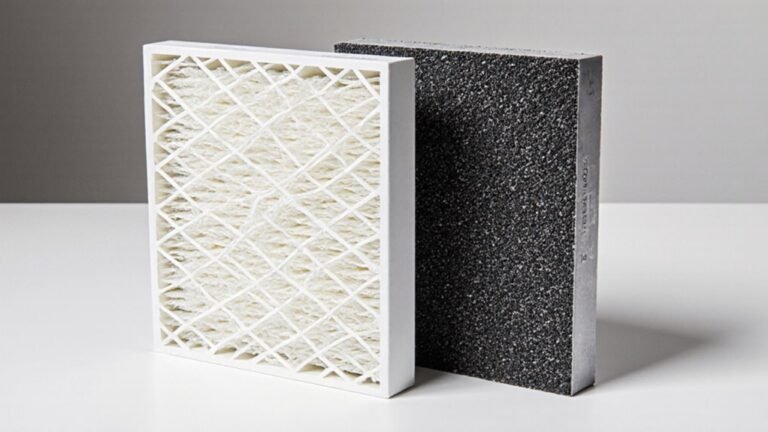
At the time allergy season strikes, the right filter can feel like a small relief machine in your home. You’ll want True HEPA initially, because it traps tiny pollen, spores, and fine dust with very high efficiency. That means fewer allergens floating around whenever you’re trying to breathe easier and feel at home in your own space.
Should smells, fumes, or other irritants also bother you, add Activated carbon, since it can absorb some odors and VOCs that could make symptoms feel worse. Together, these filters give you a stronger defense.
Just check that the unit matches your room size, so it can actually clean the air well. With the right setup, you’re not just coping. You’re creating a calmer, cleaner space that supports you.
Where Should You Place an Air Purifier?
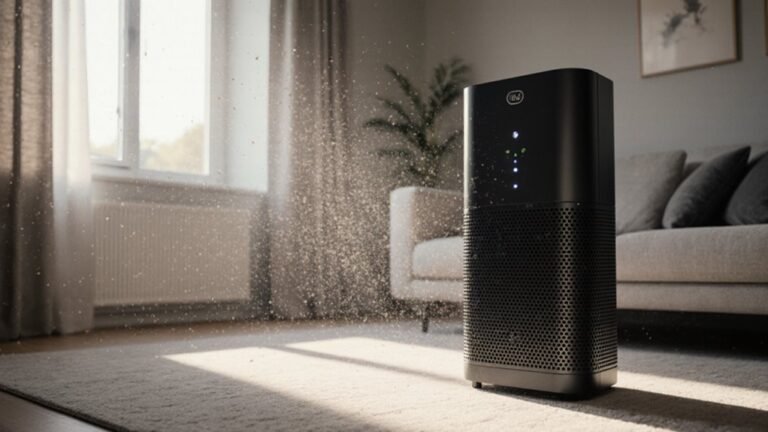
You’ll get the best results whenever you place your air purifier where you spend the most time, like your bedroom or main household room.
In the bedroom, it can work through the night and help lower the pollen you breathe while you sleep.
In central household areas, it can clean the air you share during the day, so it makes sense to consider about both spots together.
Central Living Areas
Whenever pollen season strikes, the best place for an air purifier is usually the room where you spend the most steady time, and for many people that means the central inhabited area. You want the unit where your family gathers, so it can catch dust before it spreads. In open plan challenges, one machine might need to work harder, so consider traffic filtration near walkways and doorways.
- Put it where air moves freely.
- Keep it away from walls and corners.
- Match it to the room size.
- Run it through busy hours.
That way, you help everyone feel included in cleaner air, not just the person nearest the fan. Should your space shift often, choose the spot that sees the most daily life, then let the purifier do its quiet work.
Bedroom Placement
Your bedroom deserves the initial shot at clean air, because that’s where your nose, throat, and eyes get a long break from pollen while you sleep. Put the unit near your bed, but not so close that the fan hits your face. That nighttime placement helps pull allergens away before they settle on pillows and sheets.
For the best bedtime airflow, keep doors and windows closed, and give the purifier space on all sides so it can move air freely. In the event you share the room, place it where both sleepers benefit. A sturdy nightstand or floor spot works well, as long as bedding doesn’t block the intake. Then let it run all night, so you wake up with less stuffiness and more comfort.
When Air Purifiers Aren’t Enough
Should your symptoms keep flaring even with a good air purifier, it could be time to tackle the allergens still building up inside your home.
You can increase relief through working with your doctor on allergy medicine, nasal sprays, or other medical care that fits your needs.
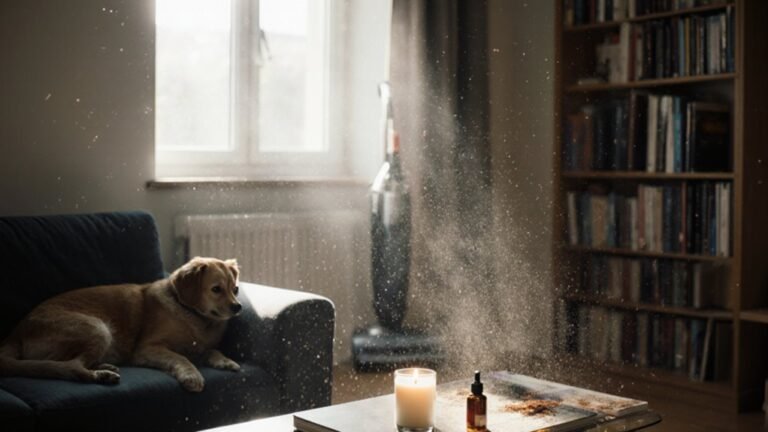
It also helps to cut down indoor triggers like dust, pet dander, and pollen on clothes, so your purifier isn’t doing all the heavy lifting.
Medical Allergy Management
Even the best air purifier can only do so much, and that’s where medical allergy management steps in to carry the load.
In case pollen still leaves you itchy and wiped out, you’re not failing; you just need a fuller plan. Your clinician might suggest:
- Pharmacologic strategies like antihistamines or nasal steroid sprays to calm symptoms fast.
- Saline rinses to ease congestion and help your nose feel more settled.
- Immunotherapy options that train your immune system to react less over time.
- A follow-up plan so you can adjust treatment whenever your symptoms shift.
Whenever you pair the right medicine with cleaner indoor air, you give yourself more steady relief and more room to breathe.
That balance can make allergy season feel a lot less lonely.
Reducing Indoor Allergen Sources
Whenever pollen keeps sneaking indoors, reducing the sources inside your home can make a bigger difference than you could envision.
Start with source reduction through keeping windows closed on high-pollen days, wiping shoes at the door, and washing bedding weekly in hot water. Then look at clothing management, since pollen clings to jackets, scarves, and hair.
Change clothes after coming inside, and keep worn items out of bedrooms. You can also shower before bed to rinse away what your purifier can’t catch.
Vacuum with a HEPA filter, dust with a damp cloth, and groom pets often provided they go outdoors. These small habits help your purifier work less hard, so you breathe easier in the spaces where you rest, read, and feel most at home.
How to Choose the Right Air Purifier
Choosing the right air purifier can feel a little overwhelming at initially, but you can make a smart choice through focusing on a few key features that truly matter. You want a unit that fits your room, because portable sizing affects how well it cleans the air. Then check filter lifespan, since a longer-lasting filter can save money and keep your space steady all season.
- Pick true HEPA for pollen.
- Match CADR to your room size.
- Choose quiet modes for sleep.
- Look for easy filter alerts.
If you reside with family or roommates, a shared purifier can help everyone breathe easier and feel included. Also, avoid ozone units. A simple, well-sized model in your bedroom or living room often does more than a fancy one that sits unused.
Frequently Asked Questions
Can Air Purifiers Reduce Pollen Symptoms Overnight?
Yes. You can reduce pollen symptoms overnight. With bedroom placement and the right fan speed, your purifier can clear lingering allergens while you sleep, helping you breathe easier, rest better, and wake up feeling more like yourself.
How Many Air Changes per Hour Do I Need?
You’ll want about 4 to 6 air changes per hour for good pollen control. Match the purifier to your room size and filter efficiency, then keep doors closed and run it continuously for steadier relief.
Do Air Purifiers Help With Pet Dander Allergies Too?
Yes. HEPA filtration can help with pet dander allergies, especially in your bedroom. You’ll breathe easier whenever you pair it with regular pet grooming. As they say, an ounce of prevention’s worth a pound of cure.
Can Activated Carbon Filters Reduce Allergy-Related Odors?
Yes, you can get odor removal from activated carbon filters because they use chemical adsorption to trap smells and some VOCs. You will often notice fresher air, though stronger odors might need more carbon and good ventilation.
Are Ozone-Producing Purifiers Safe for Allergy Sufferers?
No, you should not use ozone producing purifiers; they are unsafe for you and others. Ozone risks include lung irritation, especially for allergy sufferers. Trust health warnings, choose true HEPA filters, and protect your home together.